

MrBeast embraces nostalgia as he unveils heartwarming comments from 'old video', trolls say 'we don't care'
The screenshot captured an old comment, which read, 'MrBeast Now you have 175,000 subscribers'
2023-10-19 17:16

ECB's Valimaki: digital euro will not be an investment object
By Anne Kauranen HELSINKI A digital euro would allow consumers in Europe to pay with central bank money
2023-10-19 17:16
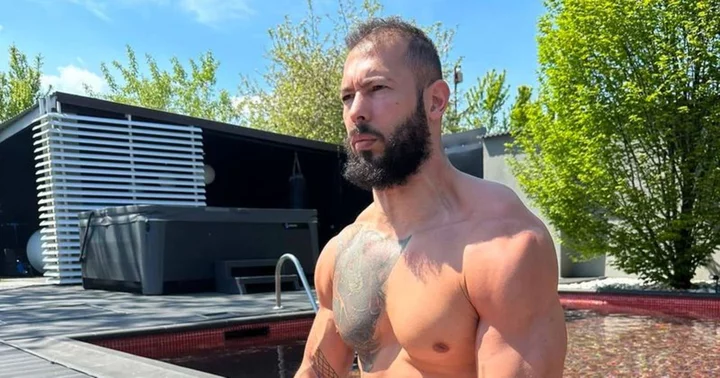
Andrew Tate criticizes current singers for 'hijacking' the term artist, Internet says 'delete this bruh'
Andrew Tate asserts that the new age singers and rappers get their lyrics and music composed by others
2023-10-19 17:15
WhatsApp update changes how billions log in to messaging app
WhatsApp is changing the way billions of users log into the messaging app, ditching passwords and two-factor authentication in favour of quicker and more secure passkeys. The move is part of a major shift within the tech industry to move away from decades-old password technology and replace it with the more modern passkey format, which combines biometric information like fingerprints with a simple numeric code in order to identify people. A similar switch was recently announced by Google, which will introduce passkeys to its apps like Maps, Search and YouTube. WhatsApp’s update will only impact Android users to begin with. “Passkeys are a new way to log back into your account,” said Will Cathcart, who heads WhatsApp. “This is a more secure way of confirming it’s really you – and gives you an added layer of security.” WhatsApp is also rolling out self-destructing voice notes to users as part of new measures to improve privacy on the world’s most popular messaging app. The update is currently only available for beta tester users who have the latest version of WhatsApp installed on their phone or computer, though it is expected to eventually be introduced for all users. With more than 2.7 billion users worldwide – the majority of which on Android devices – WhatsApp updates typically need to be introduced gradually in order to make sure any potential security bugs do not have a critical impact. The self-destructing audio messages, first spotted by WhatsApp feature tracker Wabetainfo, is compatible with both Android and iOS users, though no date has been given for when a wider roller out might be expected. WhatsApp does not comment on release schedules for feature updates unless they relate to security. “After sending the voice note with view once mode enabled, you won’t be able to listen to it and the recipient can no longer listen to the voice note after dismissing it,” Wabetainfo noted. “This mode effectively minimises the chances of unauthorised access or later listening, providing a new layer of privacy for sensitive and confidential information.” The latest update follows recently added features like ‘Channels’, which allow people to follow celebrities and companies within the app, and a ‘Create’ button that gives users the ability to make custom art on the platform. The Create feature brings generative artificial intelligence to WhatsApp for the first time, and means users do not require external tools or specific design skills to create the stickers. Instead, the custom stickers can be produced using simple text-based prompts, similar to other AI image generators like Midjourney and OpenAI’s Dall-E. Read More Facebook and Instagram users face monthly fee for ad-free version Meta launches AI chatbots with ‘personalities’ to take on ChatGPT Viral WhatsApp warning of cyberattack targeting Jewish people is fake Amazon trials humanoid robots to see if they can help staff warehouses Tesla’s profits dip as Musk goes on rant about staff working from home
2023-10-19 17:15

Polish president to consult with party leaders on forming govt
WARSAW Poland's president will meet parliamentary party leaders next week, his office said, as the nation waits to
2023-10-19 17:00
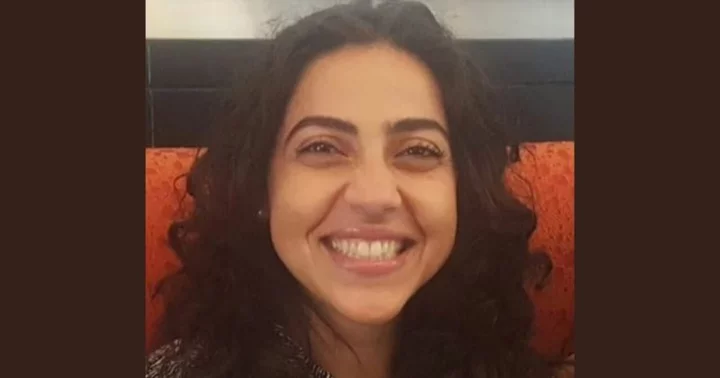
Who is Nejwa Ali? DHS employee put on leave after anti-Israel post turns out to be an ex-PLO spokesperson
Prior to being employed by DHS, Nejwa Ali served as a public affairs officer for the Palestinian Liberation Organization’s delegation to the US in 2016 and 2017
2023-10-19 16:58

Sunak Lands in Israel as UK Joins Effort to Contain Conflict
Prime Minister Rishi Sunak arrived in Tel Aviv for a two-day visit to the wider region, as the
2023-10-19 16:58

Jake Paul and Nate Diaz to face each other for rematch on December 15, Internet says 'boxing is circus show'
Nate Diaz announced the news via Instagram, sharing a picture with the match details
2023-10-19 16:57

Where is Nicole Appleton now? Rumors of Justin Timberlake's 'affair' with Girls Aloud member resurface
Nicole Appleton faced renewed rumors of an alleged affair with Justin Timberlake while he was dating Britney Spears
2023-10-19 16:54

Call The Midwife ‘should come with a health warning’
Popular TV show Call the Midwife needs a health warning, academics have said. Experts from King’s College London and the University of Liverpool said television programmes showing “inaccurate birthing practices” should require safety recommendations for viewers to avoid misinterpretations by the public. Researchers analysed 87 births shown in 48 episodes of BBC’s Call The Midwife, This Is Going To Hurt and Channel 4’s One Born Every Minute. They compared how the depiction of these births compared to modern guidelines from the National Institute for Health and Care Excellence (Nice). The births largely compared favourably to modern care guidance, the authors found. We saw too early cord clamping in most televised births but no programme informed viewers about the safety aspects Prof Susan Bewley But a third of the time depictions of midwives and doctors clamping the umbilical cord were shown inaccurately or dramatised, according to the paper which has been published in the journal JRSM Open. Researchers said that without a safety warning to inform viewers otherwise, the general public and healthcare professionals could think the clamping practices they see are correct. Nice guidance states that women should not have the umbilical the cord clamped earlier than one minute after the birth unless there is concern about cord integrity or the baby’s heartbeat. But the academics found that in 21 instances clamping appeared to happen immediately or too early. Susan Bewley, professor emeritus of obstetrics and women’s health at King’s College London, said: “Millions of viewers watch programmes like Call The Midwife every week to be entertained but the line between fact and fiction is blurred. “We are impressed that UK television shows have accurately depicted some changes in childbirth over the last century, but on the other hand they have also provided the public with a picture of poor-quality care when it comes to clamping during childbirth. “These inaccurate depictions could influence how people see real-world care. “We saw too early cord clamping in most televised births but no programme informed viewers about the safety aspects. “When showing outdated practices, broadcasters have a public health duty to inform viewers that this immediate medical intervention is no longer recommended. No broadcaster would show the sleeping positions associated with cot-death without comment.” Andrew Weeks, professor of international maternal health at the University of Liverpool, added: “Health professionals know that midwives and doctors should not interrupt the flow of blood to the newborn baby nor separate the mother and baby without a pressing reason, and yet this is what is being shown on popular television programmes as common practice. “Incorrect depictions like this, however routine, can lead to misinterpretations of correct practice by the public. “This illustrates the need for safety recommendations when TV dramas show birthing practices and procedures that are outdated and inaccurate.” A spokesperson for Call The Midwife said: “Call The Midwife is a drama, not a documentary, and is set half a century ago. “It is highly accurate to the period it depicts, and shows how childbirth has changed radically over the years.” The study was published as the charity Lullaby Trust, which raises awareness of sudden infant death syndrome (SIDS), highlighted infection prevention among newborns. It said that parents should avoid letting other people kiss their baby and should always ask people to wash their hands before touching a newborn. “Even infections that cause mild symptoms such as a common cold in adults and older children can be life-threatening for babies,” said charity chief executive Jenny Ward. Read More Halloween: 10 wicked ways to kit out your haunted house Black magic: Go back to black this season with the catwalk-inspired trend How to prep your home for when the clocks go back Menopause campaigner Mariella Frostrup: ‘I look forward to a future where women gradually stop feeling so ashamed’ More girls miss school and college due to their periods than colds, survey finds More girls miss school and college due to their periods than colds, survey finds
2023-10-19 16:53

Sri Lanka Bondholders’ Proposal Sees Government Pushback
Sri Lanka is taking an unfavorable view toward a proposal by foreign dollar bondholders for restructuring its debt,
2023-10-19 16:51

Who is Fraser Bohm? Out-of-control BMW driver kills four Pepperdine University students in Malibu
Apart from the four victims that were killed, two more had to be taken to the hospital following the crash
2023-10-19 16:51