

Kokusai Electric Soars 28% After Japan’s Biggest IPO Since 2018
Japanese chip-equipment maker Kokusai Electric Corp. jumped in Tokyo on Wednesday after the largest initial public offering in
2023-10-25 16:24

Israel-Hamas conflict a new cloud among many - IMF chief
By Maha El Dahan, Yousef Saba and Nadine Awadalla RIYADH The head of the International Monetary Fund (IMF)
2023-10-25 16:22

The driest place in North America has sprung to life with lakes and flowers after Hurricane Hilary
California's Death Valley is the hottest place in the world and the driest place in North America. Two months after Hurricane Hilary's epic rainfall, parts of the national park look more oasis than desert.
2023-10-25 16:20

Creeslough explosion: Some NI ambulance crews 'could not assist'
Ambulance workers from Derry could not cross the border due to visa issues, an Irish politician says.
2023-10-25 16:18

Activists demand transparency over Malaysia's move to extend Lynas Rare Earth's operations
Environmentalists have slammed Malaysia's move to let Australian miner Lynas import and process rare earths until March 2026
2023-10-25 15:52

Indonesia budget surplus narrows as of end-September
By Stefanno Sulaiman JAKARTA Indonesia's budget surplus narrowed in the year to September to 67.7 trillion rupiah ($4.27
2023-10-25 15:51

Sony Honda Mobility could procure EV batteries from US, president says
TOKYO Sony and Honda's automotive joint venture could procure batteries for its new Afeela electric vehicle from the
2023-10-25 15:47
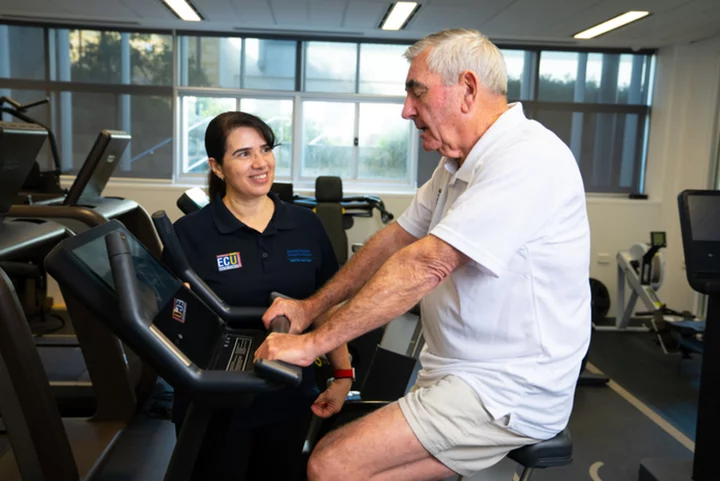
Just 25 minutes of daily exercise enough to cut death risk from prolonged sitting, scientists say
Working out for just about 20-25 minutes daily may be enough to cut a heightened risk of death due to a highly sedentary lifestyle, a new study finds. Adults in developed countries spend about 9-10 hours on average every day sitting down mostly while working, with the highly sedentary lifestyle linked to a heightened risk of death. The research, published in the British Journal of Sports Medicine, found just about 25 minutes of daily moderate to vigorous physical activity (MVPA) eliminates the risk of high sedentary time. Individual data from four groups of people, who were fitted with activity trackers, was pooled for the latest study by scientists, including those from The Arctic University of Norway. Researchers sought to find out whether physical activity might modify the association between sedentary time and death, and what amount of physical activity and sitting time may influence the risk. The analysis included data from nearly 12,000 people aged at least 50, who had a minimum of 4 days of 10 daily hours of activity tracker records. The participants had been monitored for at least two years, and had provided details of potentially influential factors, including their sex, educational level, weight, height, smoking history, alcohol intake and whether they had current and/or previous cardiovascular disease, cancer and/or diabetes. About 5,950 people spent fewer than 10.5 hours sitting down every day, while 6,042 clocked up 10.5 or more sedentary hours. Data from death registries found that during an average period of five years, 805 (7 per cent) people died, 357 (6 per cent) of whom spent under 10.5 hours sitting down every day and 448 of whom clocked up 10.5 hours or more. Being sedentary for more than 12 hours a day was found to be associated with a 38 per cent heightened risk of death compared with a daily tally of eight hours. But this was only among those registering fewer than 22 daily minutes of moderate to vigorous physical activity, scientists said. The study found over 22 daily minutes of moderate to vigorous physical activity was linked with a lower risk of death. Higher daily tallies of physical activity were found to be linked to an even lower risk irrespective of the amount of time spent seated every day. For instance, an extra 10 minutes a day of exercise was linked to a 15 per cent lower risk of death in those spending fewer than 10.5 sedentary hours. This extended duration of workouts was associated with a 35 per cent lower risk among those spending more than 10.5 sedentary hours every day. Citing the study’s main limitation, scientists said the research was observational and can’t establish cause and effect. The study could also not account for other potentially influential factors like diet, mobility issues and general health. However, scientists said small amounts of MVPA “may be an effective strategy to ameliorate the mortality risk from high sedentary time”. Read More Study reveals why millions of women wake up at 3.29am Sports culture is ‘intimidating’ and putting people off working out, study finds Running could be just as effective at treating depression as medication, scientists find This Chinese martial art may slow down Parkinson’s disease The best ways to work-out in 22 minutes – as study finds this is magic number for offsetting ‘negative impact of sitting’ Mick Jagger, father of eight, explains why parenting is ‘not like riding a bike’
2023-10-25 15:29

German authorities halt a search for 4 sailors missing after 2 ships collided in the North Sea
German authorities have broken off their search for four crew members missing since their British-flagged cargo ship sank a day earlier following a collision with a larger vessel in the North Sea
2023-10-25 15:28

Dulux owner Akzo sees core earnings towards low end of forecasts
(Reuters) -Dutch paints and coatings maker Akzo Nobel has set out a plan to save costs and improve supply chain
2023-10-25 15:27

XYZ Reality Appoints John Haddick as Chief Technology Officer
LONDON--(BUSINESS WIRE)--Oct 25, 2023--
2023-10-25 15:24
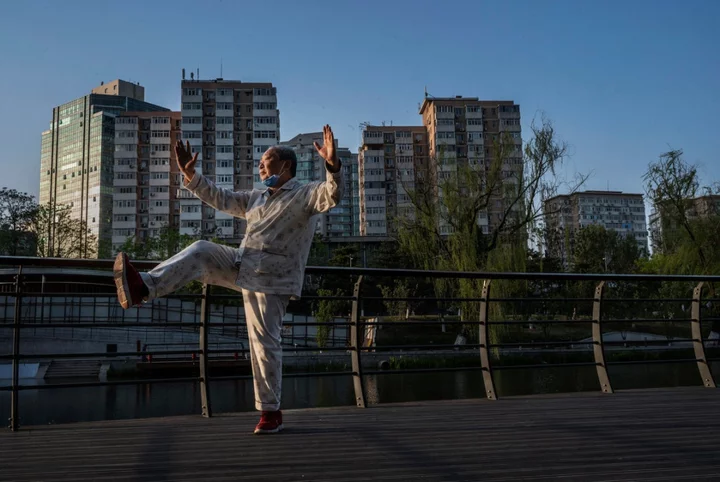
This Chinese martial art may slow down Parkinson’s disease
Practicing one particular Chinese martial art could help curb symptoms and complications of Parkinson’s disease for several years, according to a new study. Regular practice of Tai Chi, which involves sequences of very slow controlled movements, is linked with slower progression of the debilitating neuro-degenerative condition, with patients likely to require lower doses of drugs over time, according to the research published in the Journal of Neurology Neurosurgery & Psychiatry. Parkinson’s disease is a progressive disorder affecting nerves and muscles, characterised by slowness of movement, resting tremor and stiff and inflexible muscles. It is the fastest growing neurological condition in the world, with two people in the UK diagnosed with the disease every hour, according to Parkinson’s UK. There are still no cures for the condition and while drugs can improve symptoms, they don’t treat all manifestations of the disease. Previous research had hinted that Tai Chi may have some positive effects on Parkinson’s patients, but whether this can be sustained over a long term isn’t known. In the new study, scientists, including those from Shanghai Jiao Tong University in China, monitored two groups of patients with Parkinson’s disease for more than five years from January 2016 to June 2021. Disease severity, medication use, age and education level were found to be similar in both the groups. One group of 147 patients practised Tai Chi twice a week for an hour, while another group of 187 patients continued with their standard care, but didn’t practise the martial art. Doctors monitored disease severity and progression in all the participants as well as their increases in the need for medication at the start of the monitoring period and in November 2019, October 2020 and June 2021. The extent of movement, mood, sleep quality and cognition as well other symptoms like the prevalence of complications like involuntary movement (dyskinesia), abnormal muscle tone (dystonia), hallucinations and restless leg syndrome were also tracked. Scientists found that disease progression was slower at all monitoring points in the Tai Chi group, as assessed by three validated scales to assess overall symptoms, movement and balance. They also found that the number of patients who needed to increase their medication in the comparison group was “significantly higher” than it was in the Tai Chi group. Researchers said cognitive function deteriorated more slowly in the Tai Chi group, while sleep and quality of life also continuously improved. However, scientists acknowledge that the study is observational and can’t establish cause and effect. Citing another limitation of the research, they said the number of study participants was relatively small. “Our study has shown that Tai Chi retains the long-term beneficial effect on [Parkinson’s disease], indicating the potential disease-modifying effects on both motor and non-motor symptoms, especially gait, balance, autonomic symptoms and cognition,” scientists concluded. Read More The 10 products to make 2023 your healthiest year yet Tai chi improves balance, mental health in elderly: study Non-invasive deep brain stimulation ‘could provide treatment for brain diseases’ Daily exercise for just 25 minutes may cut death risk from prolonged sitting Mysterious ancient ‘human face’ rock carvings revealed by receding waters in Amazon Bumblebees ‘prioritise getting maximum calories in shortest time’
2023-10-25 15:23