

Take Five: Summer at Jackson Hole
LONDON It's summer camp season and not to be left out, U.S. rate setters and overseas pals gather
2023-08-18 14:50

Nomura Cuts China’s Growth Forecast to 4.6% on ‘Downward Spiral’
Nomura Holdings Inc. lowered this year’s growth forecast for China to 4.6% after weaker-than-expected data in July and
2023-08-18 14:50

Arrest made in connection with July block party mass shooting in Baltimore, officials say
Authorities in Baltimore have arrested an 18-year-old in connection with a July mass shooting that killed two and injured 28 people, according to a news release from the city.
2023-08-18 14:49

'Teen Mom' Leah Messer's dad Gary Lee Miller leaves internet disgusted after on-camera homophobic slurs
'Teen Mom' star Leah Messer's father faces backlash from fans after spewing homophobic hate on camera
2023-08-18 14:48

Who is Skyler Nicole? 'Botched' surgeons Paul Nassif and Terry Dubrow help OnlyFans star with 'breast spasms'
Drs Terry Dubrow and Paul Nassif was taken aback by Skyler Nicole's dream of going from 34J to 34L
2023-08-18 14:47
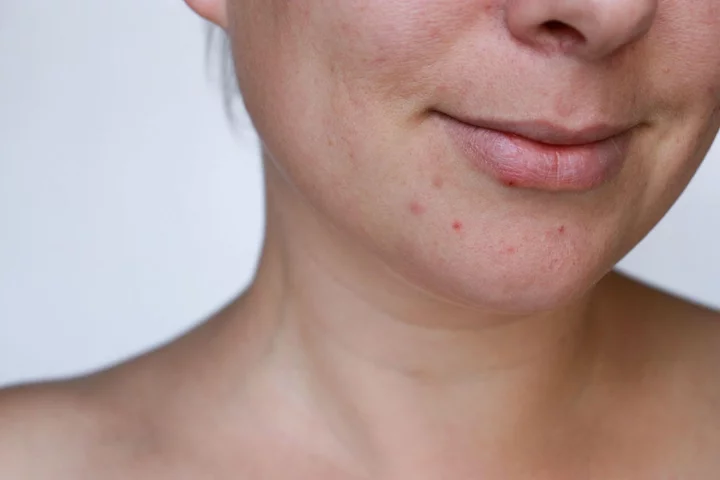
How can you get rid of acne scars? From serums to laser treatments, experts talk through the options
As if dealing with painful, pus-filled spots wasn’t bad enough, often those pesky pimples don’t just disappear completely. Acne can leave a scar – anything from a faint red mark to a significant dent in the skin. And while some of these residual blemishes fade away fast, others are harder to get rid of, but there are various at-home and clinic options to help diminish the signs of acne and pimple scarring. Here, dermatology experts talk through the options… Why does acne cause scarring? When pores become clogged and infected, a spot forms, leading to inflammation, which is the main cause of acne scarring. “Because of the injury that occurs with increased inflammation and pus, it causes damage to the dermis [the middle layer of the skin],” says Dr Ifeoma Ejikeme, medical consultant and Kelo-Cote skin ambassador. “When damage occurs to the dermis, that heals with some form of scarring. Scarring can be red if you’re a lighter skin type, or brown if you’re a darker skin type.” The amount of inflammation often determines how severe the scar will be. However, genetics can also play a role, as well as other factors. “It can also be caused by squeezing or picking at the spots,” says Dr Rabia Malik, GP and holistic aesthetic doctor, which is why it’s important to avoid popping your pimples. “If the way you extract the spot isn’t done properly, you may stress or tear the skin and permanently damage the tissue, leaving behind scarring.” What are the different types of acne scars? Acne scarring can generally be separated into two main categories: hypertrophic and atrophic. “Hypertrophic and keloid scars are thick lumpy scars,” says Malik. “Atrophic scars are flat shallow depressions that are commonly caused by cystic acne.” There are three main types of the latter, she explains: “Boxcar scars have defined edges that are wide and box-like and are commonly found on the lower cheeks and jaw. Rolling scars vary in depth and make the skin appear uneven. Ice Pick scars are narrow indentations that are commonly found on the cheeks.” There is a difference between scarring and post-acne pigmentation, however. “Often people think the pigmentation left behind is also scarring, but technically speaking, it isn’t,” says Dr Christine Hall, aesthetics doctor at the Taktouk Clinic. “It’s the body’s response to having the injury in the skin, and your body produces and sends melanin to the skins surface. It’s the pigment in our skin that also causes us to have a tan.” Skincare solutions Finding the most suitable skincare solution for you can depend on your individual needs. When it comes to mild or moderate scarring however, Ejikeme says: “Skincare is definitely the first step.” She recommends serums and face creams that contain niacinamide or retinoids: “They increase collagen production, they’re more likely to improve the texture of the skin.” Alpha and beta hydroxy acids, which usually come in serum, gel or liquid form (applied with a cotton pad) can also be effective for skin renewal. “Ingredients such as azelaic acid, lactic acid and salicylic acid encourage cell turnover and as a result, diminish the appearance of acne scars,” Malik says. “Treatment can vary and some people may need prescription grade medication to treat their acne and thereby prevent scarring.” Aesthetic treatments For more severe scarring, you may want to consult your GP, a dermatologist or specialist aesthetic practitioner to discuss possible treatments. “Microneedling helps to stimulate collagen and smooth out scars,” says Hall. “Laser resurfacing treatments can also be helpful and chemical peels can help remove some of the damaged skin layers.” Similar to hair removal, ablative laser works by targeting the pigment in the scars and zapping it away. With treatments starting from around £400, it’s a significant investment, however. “Dermal fillers can be used on atrophic scars to temporarily reduce the appearance of scars that are significantly depressed,” says Malik. Fillers can also be used on pitted scars. Be sure to seek professional advice to determine the appropriate treatment for different types of scarring. “Microneedling is not known to work for icepick scars, for example,” says Ejikeme. “And if you have a keloid scar, there are very few lasers that you should be doing because the more you agitate a keloid scar, the more likely that scar is to grow.” If you have ongoing acne, it’s important to find an effective skincare routine or get medical treatment to prevent further scarring. “There are lots of things your GP can do to help prevent spots from appearing in the first place,” says Hall. “If you are developing acne scarring, the GP can help or refer you to a dermatologist.” Getaway scars: 8 super serums and key ingredients to try 1. Purifide by Acnecide Post-Breakout Serum, £14.99, Boots 2. Q+A Niacinamide Daily Toner, £8, Sourcerie 3. Eucerin DermoPurifyer Triple Effect Serum, £12, Boots 4. Glow Hub The Scar Slayer Facial Serum, £14 5. IT Cosmetics Bye Bye Breakout Serum, £22, Cult Beauty (available August 30) 6. E.l.f Cosmetics Youth Boosting Advanced Night Retinoid Serum, £22 7. Kelo-Cote Scar Treatment Gel, £32.18, Boots 8. Teoxane Brightening Night Peel, £59 Read More Charity boss speaks out over ‘traumatic’ encounter with royal aide Ukraine war’s heaviest fight rages in east - follow live 5 viral TikTok fake tanning tips for the perfect summer glow Not got the A-level grades you needed? Here’s how to get started with the clearing process Jennifer Lopez shares her beauty regime – here’s how to look after skin in your 50s
2023-08-18 14:30

British retail sales fall by larger-than-expected 1.2% in July
LONDON British retail sales fell more sharply than expected in July and were 1.2% lower than in June,
2023-08-18 14:29

Asian shares set for third losing week on China woes, US rates
By Stella Qiu SYDNEY Asian shares were headed for their third straight week of losses on Friday, hammered
2023-08-18 14:24
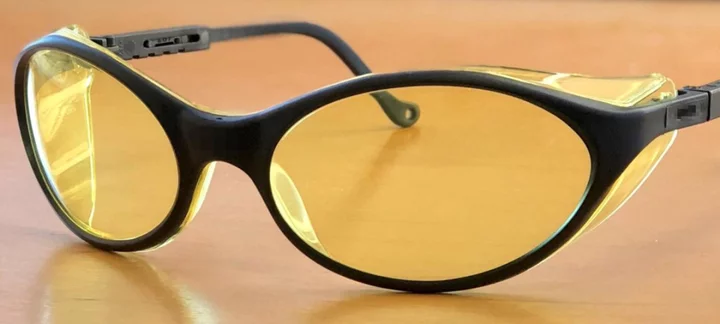
Study finds popular accessory actually likely makes ‘no difference’ to sleep quality or eye health
Special glasses marketed to filter out blue light likely do not make any difference to sleep quality or eye strain from computer use, according to a new review of studies. Blue-light blocking spectacles have been increasingly recommended, often by optometrists, since the early 2000s. Eye patients are frequently prescribed these lenses in many parts of the world with a range of marketing claims existing about their potential benefits. Some of these claims include that the special glasses may reduce eye strain associated with digital device use, improve sleep quality, and also protect the retina from light-induced damage. However, researchers, including those from the University of Melbourne in Australia, say there is “substantial debate” about whether blue-light filtering spectacle lenses have merit in ophthalmic practice. The research, published in the journal Cochrane Database of Systematic Reviews, assessed data from 17 clinical trials on the benefits offered by these glasses for improving visual performance, providing protection to the retina, and improving sleep quality. The review assessed data from individual studies from six countries, each including five to 156 participants, and the period of time over which the lenses were assessed ranging from less than one day to five weeks. Researchers found that there may be “no short-term advantages” with using blue-light filtering spectacle lenses to reduce visual fatigue associated with computer use, compared to non-blue-light filtering lenses. They say it is also currently unclear whether these lenses affect vision quality or sleep-related outcomes. The research review could also draw no conclusions about any potential effects on retinal health in the longer term. “People should be aware of these findings when deciding whether to purchase these spectacles,” study co-author Laura Downie said. “Our findings do not support the prescription of blue-light filtering lenses to the general population. These results are relevant to a broad range of stakeholders, including eye care professionals, patients, researchers and the broader community,” Dr Downie added. However, scientists said the quality and duration of the individual studies part of the review also needs to be considered. “High-quality, large clinical research studies with longer follow-up in more diverse populations are still required to ascertain more clearly the potential effects of blue-light filtering spectacle lenses on visual performance, sleep and eye health,” Sumeer Singh, another author of the study, said. The potential mechanisms by which these lenses might help with eye strain, sleep, and protecting the retina are also unclear, scientists say. “The amount of blue light our eyes receive from artificial sources, such as computer screens, is about a thousandth of what we get from natural daylight,” Dr Singh said. “Filtering out higher levels of blue light would require the lenses to have an obvious amber tint, which would have a substantial effect on colour perception,” he added. But the new research did not find any consistent reports of adverse side effects from using blue-light filtering lenses. Read More A bed bugs epidemic is sweeping the UK – this is why AI can predict Parkinson’s subtype with up to 95% accuracy, study suggests The return of schedules: How parents can make the most of back-to-school energy
2023-08-18 14:23

When will 'Love Island USA' Season 5 Episode 29 air? Two islanders bid farewell to Fiji villa after dramatic elimination
'Love Island USA' Season 5 resumes from the dramatic cliffhanger of the previous episode
2023-08-18 14:22

Column-Good, bad and ugly in renewed bond rout: Mike Dolan
By Mike Dolan LONDON A frantic recalibration of long-term borrowing rates has unnerved financial markets trying to parse
2023-08-18 14:22

ECB to write to Italy raising objections over windfall tax on banks - press
ROME The European Central Bank (ECB) is preparing to send a letter to Italy raising objections about the
2023-08-18 13:55