
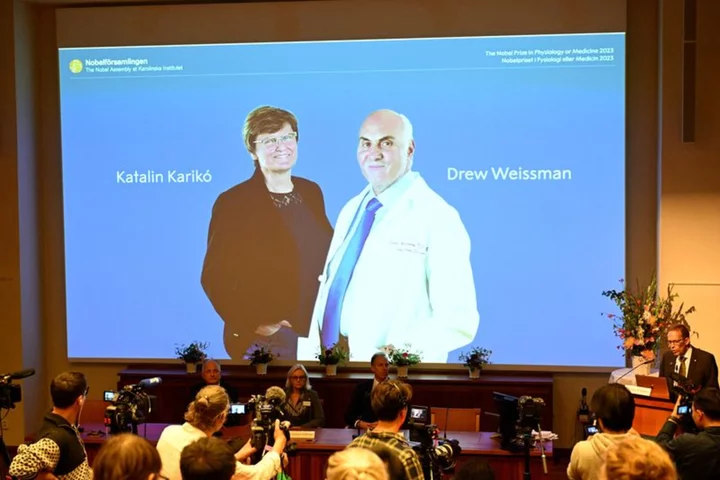
Hungarian and U.S. scientists win medicine Nobel for COVID-19 vaccine work
By Niklas Pollard and Ludwig Burger STOCKHOLM (Reuters) -Scientists Katalin Kariko and Drew Weissman from Hungary and the United States
2023-10-02 18:25

Sam Bankman-Fried's fraud trial: How will he defend himself?
By Luc Cohen NEW YORK Sam Bankman-Fried will likely defend himself at his fraud trial, due to begin
2023-10-02 18:25

Feeling lucky? A $1.04 billion Powerball jackpot is up for grabs in tonight's drawing
Get your tickets ready: An estimated $1.04 billion dollar jackpot could be yours in Monday night's Powerball drawing.
2023-10-02 18:22

US Supreme Court ruling may help Hunter Biden fight gun charge
By Andrew Goudsward and Nate Raymond WASHINGTON Hunter Biden, President Joe Biden's son, may get a legal boost
2023-10-02 18:18

FKA Twigs crawls in DIRT at Valentino Parish Fashion Week show
All in the name of fashion, the singer played in the dirt during her performance.
2023-10-02 18:16

They were ringing in the new year at their apartment when the gunfire started. Then this 11-year-old fell to the ground
Amethyst Sistine Silva is one of more than 1,300 children and teens killed by a gun so far in 2023, according to the Gun Violence Archive.
2023-10-02 18:16
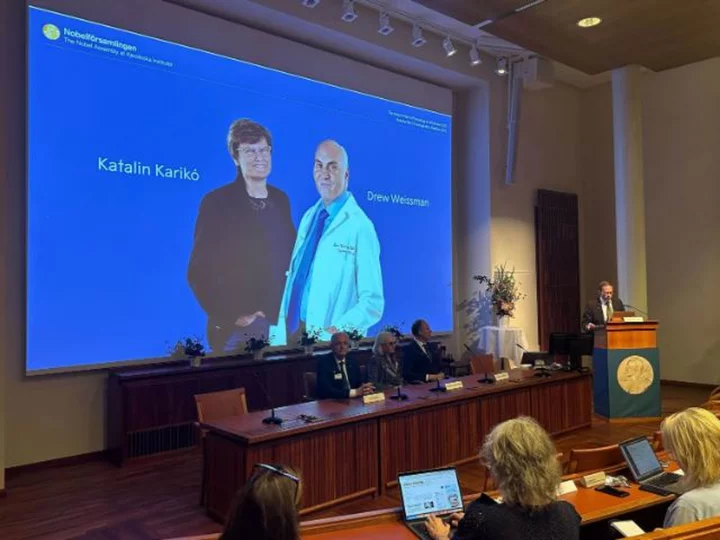
Nobel Prize in medicine goes to Katalin Karikó and Drew Weissman for work on mRNA Covid-19 vaccines
This year's Nobel Prize in physiology or medicine has been awarded to Katalin Karikó and Drew Weissman for their work on mRNA vaccines, which were crucial in curtailing the spread of Covid-19.
2023-10-02 18:15

Arsenal monitoring Pedro Neto amid Wolves resurgence
Arsenal are monitoring the progress of Wolves winger Pedro Neto and have sent scouts to watch him several times in the past month. The Portugal international was instrumental in Saturday's 2-1 win against Manchester City.
2023-10-02 17:58
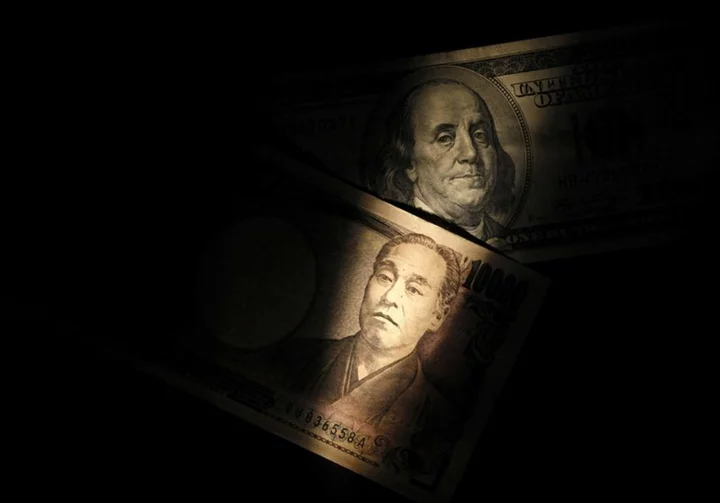
Explainer-What would Japanese intervention to boost the weak yen look like?
By Leika Kihara TOKYO Japanese authorities are facing renewed pressure to combat a sustained depreciation in the yen,
2023-10-02 17:56
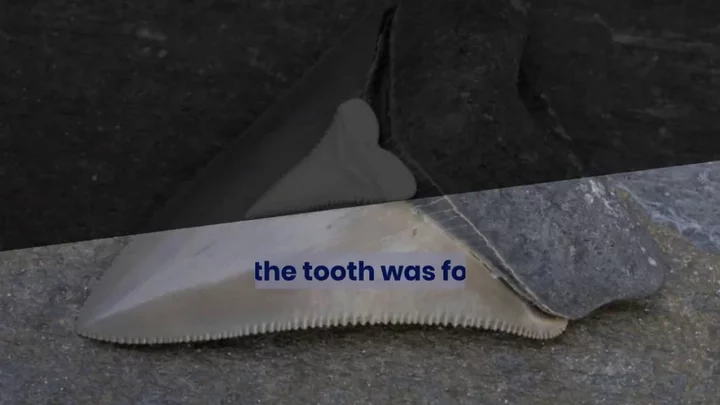
Divers discover Megalodon teeth in flooded cave in Mexico
Divers in Mexico have discovered Megalodon teeth in a flooded inland cave and the findings have confirmed scientific beliefs. Megalodons were absolutely gigantic prehistoric sharks that reached sizes of up to 50 feet long. They dominated the oceans before going extinct around 3.6 million years ago. Scientists are interested in studying fossils of the huge sea creature, with the animal's teeth proving the most abundant type of fossil to be found today. Teeth fossils were found in Mexico by speleologist (cave specialist) and photographer Kay Nicte Vilchis Zapata and fellow speleologist Erick Sosa Rodriguez while diving in a newly discovered sinkhole in Cholul in 2019. The cenote is 400 meters long and 28 meters deep and located inside were fifteen teeth fossils from various shark species. They also discovered human remains and a vertebrae fossil that potentially belongs to an ancient species. A total of 13 of the 15 teeth fossils belonged to three different species of shark – one being the megalodon (Carcharocles megalodon), while the other two species were the mackerel shark (Isurus oxyrinchus) and the sawshark (Pristiophoridae). Zapata told local media at the time: “We were looking at the wall and suddenly I saw a little something, I went closer and I saw that it was a tooth, that was the first and apparently it belonged to a sawshark.” Experts believe the geological timescale of the megalodon teeth lies anywhere between 2.5 million to 5 million years old. Speleologist Sosa Rodriguez said: “It is just proof of what scientists have already studied and written about; what kind of wildlife lived here millions of years ago when this was part of the sea.” Scientists have suggested that the megalodon’s warm body temperature may have been the reason for its extinction. There is some thought that the megalodon was able to maintain a body temperature around 7 degrees centigrade warmer than the water around it, but ultimately this may have been its downfall. Randy Flores, a UCLA doctoral student and fellow of the Centre for Diverse Leadership in Science, explained: “Maintaining an energy level that would allow for megalodon’s elevated body temperature would require a voracious appetite that may not have been sustainable in a time of changing marine ecosystem balances when it may have even had to compete against newcomers such as the great white shark.” Sign up to our free Indy100 weekly newsletter Have your say in our news democracy. Click the upvote icon at the top of the page to help raise this article through the indy100 rankings.
2023-10-02 17:56

Donald Trump expected to attend civil fraud trial opening
The US ex-president is accused of inflating the value of his property empire by more than $2bn.
2023-10-02 17:52
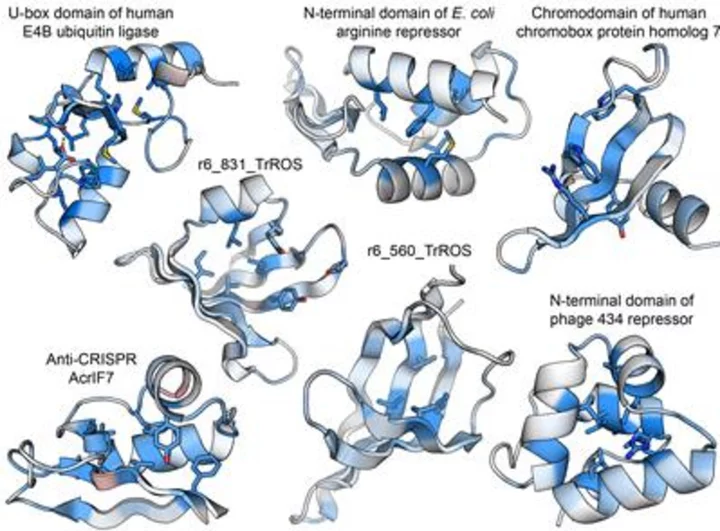
OpenFold Drug Discovery AI Research Consortium Announces Funding of Large-Scale Protein Data Collection at Prof. Gabriel Rocklin’s Laboratory at Northwestern University
DAVIS, Calif.--(BUSINESS WIRE)--Oct 2, 2023--
2023-10-02 17:51