
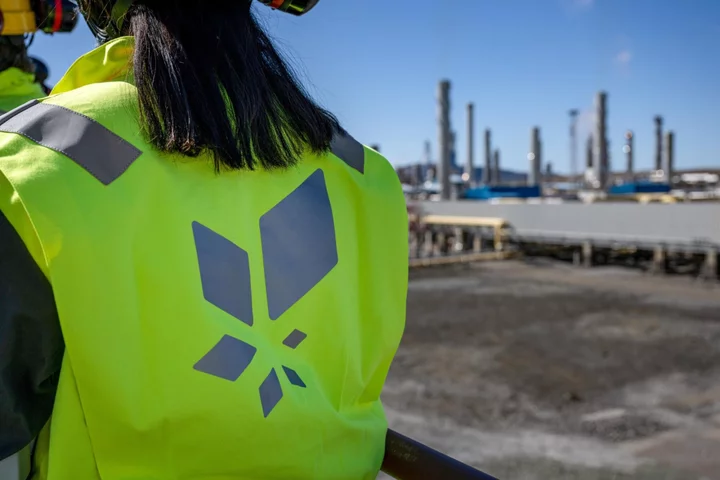
Equinor’s Controversial Rosebank Oil Field Gets UK Approval
The UK’s controversial Rosebank oil and gas development has received the go-ahead, despite objections from climate groups. Equinor
2023-09-27 15:27

More than a dozen people were arrested after multiple stores were looted around Philadelphia, police say
More than a dozen people were arrested after stores were looted when a large crowd gathered in Philadelphia's Center City district Tuesday night, police said.
2023-09-27 15:26
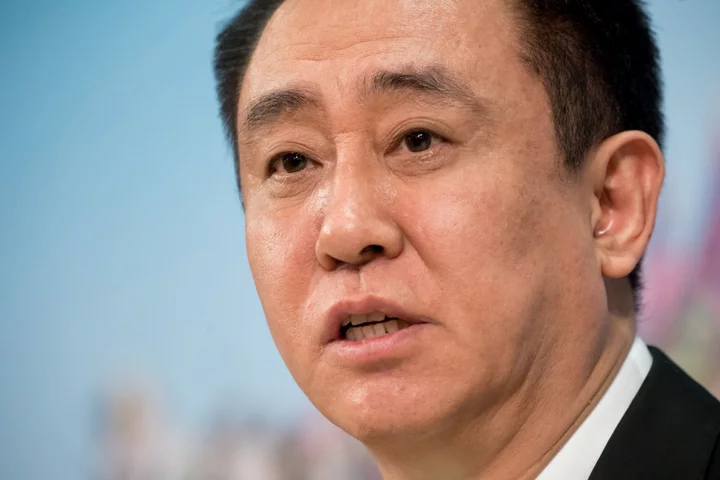
China Puts Evergrande’s Billionaire Founder Under Police Control
Hui Ka Yan, the billionaire chairman of beleaguered property developer China Evergrande Group, has been placed under police
2023-09-27 15:24
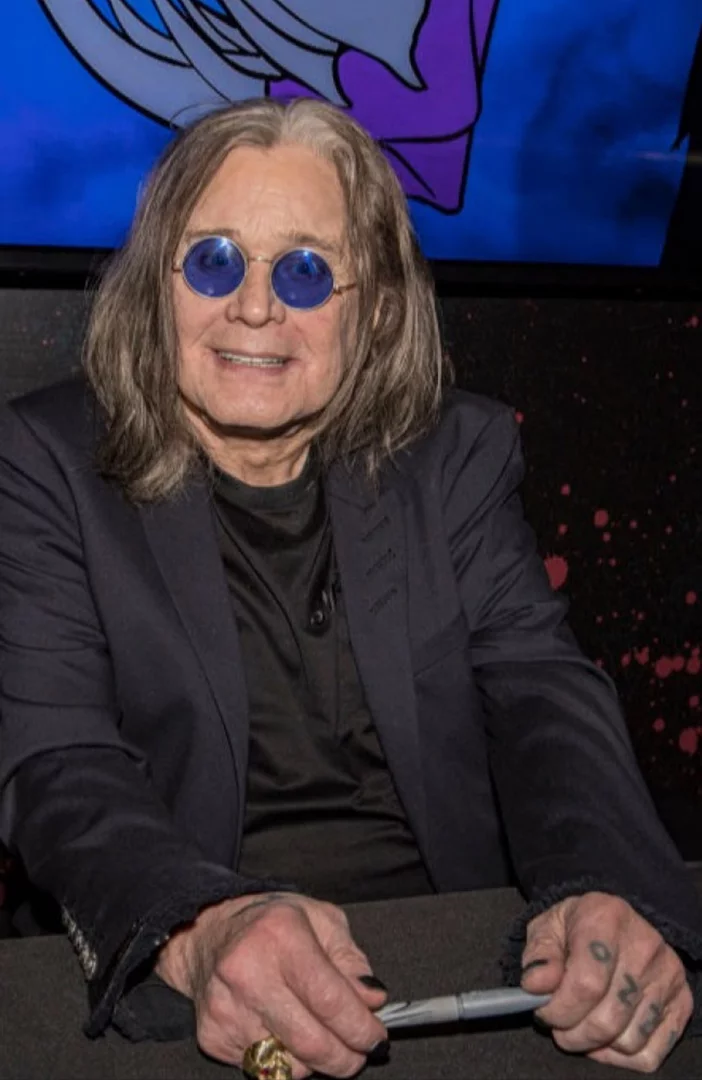
Ozzy Osbourne plans 'one more album' and another tour in 2024
Black Sabbath legend Ozzy Osbourne is planning to record "one more album" before heading back on tour in 2024.
2023-09-27 15:19
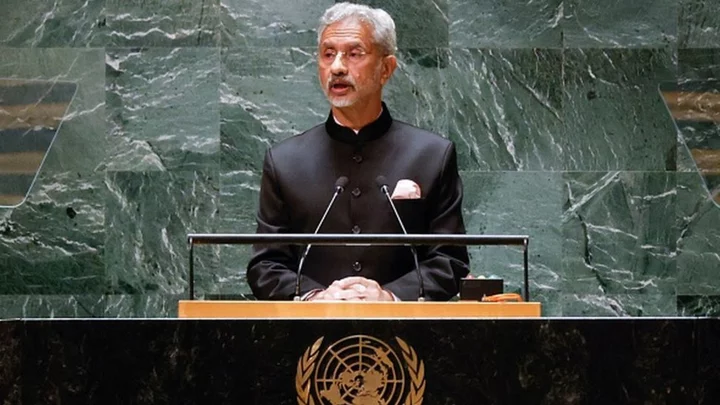
S Jaishankar: India asks Canada for information on Sikh leader's murder
Foreign Minister S Jaishankar said India was open to looking into any "specific" details on the killing.
2023-09-27 13:58
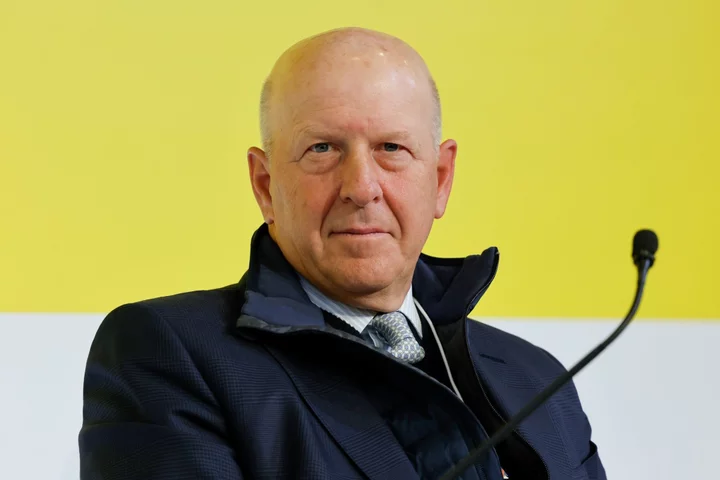
World’s No. 1 Stock Owner Calls Out Big Oil as Carbon Levels Go Up
A senior executive at Norway’s sovereign wealth fund, which owns a larger share of global stocks than any
2023-09-27 13:55
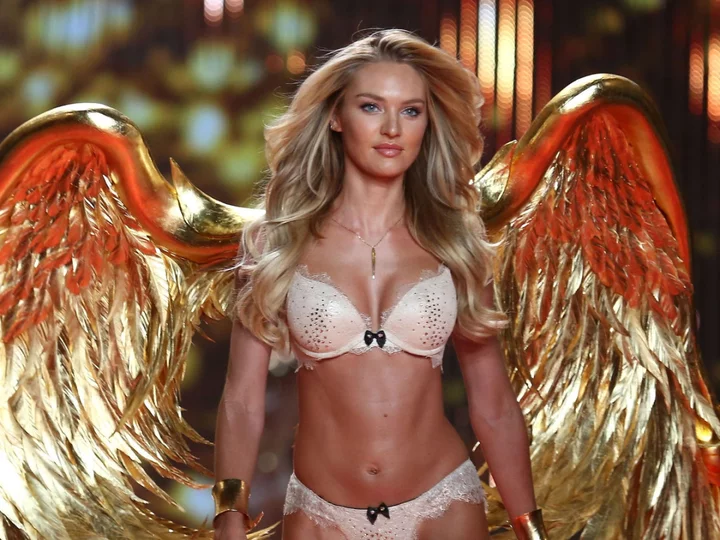
Victoria’s Secret was never feminist – why are they bothering to try now?
Wings! Fake tans! Low body mass indexes! For millennial women, the Victoria’s Secret Fashion Show was an annual reminder of the myriad ways in which we were failing to adhere to exacting and exhausting beauty standards. When it was cancelled in 2019, few mourned it. But fashion loves a comeback story, and today the company unveiled Victoria’s Secret: The Tour ’23 on Amazon Prime Video, its first televised catwalk event in five years. According to the company, the feature-length film is the “ultimate expression” of their ongoing efforts to rehabilitate a brand that has been mired in scandal. Alongside long-standing criticisms over promoting an unrealistic body image, the company’s former marketing executive Ed Razek was also accused of behaving inappropriately with models in a New York Times report (he described the allegations as “categorically untrue, misconstrued or taken out of context”) and a recent Hulu documentary Angels and Demons explored troubling links with convicted sex offender Jeffrey Epstein. “Visually, strategically, everything about it is the incarnation of where the brand is going,” Victoria’s Secret president Greg Unis has said. Instead of the usual structure, which was centred around a straightforward runway show, The Tour ’23 is roughly divided into quarters, each focusing on one of four locations: Lagos, Nigeria; Bogota, Colombia; Tokyo, Japan; London, the UK. In each city, a local designer has dreamed up their own fashion collection to be modelled by the likes of Naomi Campbell, Emily Ratajkowski, Adut Akech, and Gigi Hadid, who does double duty as the show’s narrator. In London, the chosen designer is Michaela Stark, whose corsets aim to celebrate a diverse range of body shapes, rather than constrict them. She agreed to take part in the VS show 2.0, she suggests, so that she could counteract the damaging messages put out by the original runways. “It was a big thing” when she was a teenager, she recalls, “but it was also that culture around it, of not wanting to eat after you saw it”. Her comments inadvertently raise a question that looms over the whole production: can you ever truly detoxify a brand practically built on the insecurities of a generation of women? Founded by Roy Raymond in the late Seventies, who felt awkward buying lingerie for his wife in his local department store, Victoria’s Secret began life as a women’s underwear shop aimed specifically at men. In 1982, Raymond sold the business to Limited Stores founder Les Wexner for $1m; Wexner went on to transform the brand, envisaging it as a more affordable version of the fancy European label La Perla. In 1995, when the company was facing competition from Wonderbra, the first Victoria’s Secret Fashion Show took place at the Plaza Hotel in New York City. It proved successful enough to become an annual event. In 1999, the show was streamed on the internet for the first time, prompting the website to crash as 1.5 million users tried to tune in. Two years later, the VS show celebrated its inaugural TV broadcast, during which the National Organisation for Women (NOW) protested outside a New York branch of the shop. “Some people are terribly blase about this, that this is not a big deal, that we ought to be used to this kind of daily sexuality,” Sonia Ossorio, NOW’s vice president for public information, said at the time. “But I think we need to keep questioning the ever-extending sexualisation of women in mass media.” The following year, NOW branded the event a “softcore porn infomercial”. By then, the blueprint for future VS shows had been set. A lineup of models would don bras encrusted with millions of pounds worth of jewels and embarrassingly themed lingerie (never forget Cara Delevingne’s god-awful outfit circa 2013: a sort of miniature shell suit likely pitched in the boardroom as “sexy football fan”). Somewhere between the models, a famous singer would pop in for a brief performance; if they were a woman, they’d be decked out in a VS creation of their own (Taylor Swift got a particularly raw deal in 2013, too, when she had to wear a Union Jack-inspired number, complete with a tiny red, white and blue top hat). This glittering, over-the-top spectacle, much closer to a beauty pageant than a Fashion Week presentation, spotlighted the world’s most beautiful women – who were not just genetically blessed but worked hard, too, we were told ad nauseam. They had been preparing for the show like endurance athletes, sticking to carefully tailored diets and intense workout schedules. These wing-wearing “Angels” were selling a dream, one that we lesser mortals could supposedly buy into by picking up some synthetic underwear at our nearest Victoria’s Secret branch. But it was their painstaking fitness regimens, not the pants they were wearing, that were the real focus of fascination. In endless interviews, the models were asked to detail exactly how they whittled themselves down to “Victoria’s Secret ready” size – so that we could try and copy them. To combat the criticisms of objectification, the brand relied on its models to pay lip service to just how “empowering” the whole circus was, offering up their take on choice feminism. “There’s something really powerful about a woman who owns her sexuality and is in charge” – model Karlie Kloss was peddling this line to the media as late as 2018. “A show like this celebrates that and allows all of us to be the best versions of ourselves. Whether it’s wearing heels, make-up or a beautiful piece of lingerie – if you are in control and empowered by yourself, it’s sexy.” Naturally, it was very convenient that this “best version of ourselves” aligned with the oppressively narrow conventional standard of sexiness Victoria’s Secret was selling. By the late 2010s, though, as the fashion industry began to (slowly) address its diversity problem, Victoria’s Secret started to seem more and more like an anachronism. As other brands took small steps to spotlight plus-size models on their catwalks and in their advertising campaigns, the VS show remained the preserve of the extremely thin. They had been preparing for the show like endurance athletes, sticking to carefully tailored diets and intense workout schedules Placing white models in culturally insensitive outfits (see: Kloss walking down the runway wearing a Native American-inspired headdress) only added to the glaring PR problem, which was later exacerbated when the brand’s marketing boss Ed Razek made controversial comments about transgender people and plus-size models to Vogue in 2018. “It’s like, why doesn’t your show do this? Shouldn’t you have transsexuals in your show?” he said, apparently recalling questions from critics. “No. No, I don’t think we should. Well, why not? Because the show is a fantasy.” Elsewhere, he claimed “no one had any interest” in seeing bigger bodies on the VS catwalk. Razek later apologised, admitting that his “remark regarding the inclusion of transgender models in the Victoria’s Secret Fashion Show came across as insensitive”. His comments about plus-size bodies went unaddressed. In 2019, against a backdrop of plummeting TV ratings and declining sales, the brand confirmed that the VS show had been cancelled; instead, they said, the company would focus on “evolving” their marketing. The news came just a few months after the revelation that Jeffrey Epstein had provided financial advice to Victoria’s Secret founder Wexner – and had exploited his personal connection to the brand as a means to lure in young women. “Being taken advantage of by someone who was so sick, so cunning, so depraved, is something that I’m embarrassed I was even close to,” Wexner said to investors. “But that is in the past.” He left the company the following year. Since then, Victoria’s Secret has made some high-profile attempts to rectify past missteps. The company brought in a majority female board of directors; they ditched the “Angels” concept in favour of the new “VS Collective” whose ranks include actor Priyanka Chopra, US football star Megan Rapinoe, and plus-size model Paloma Elsesser. Last year, an ad campaign featuring a more diverse array of women was accompanied by the slogan “we’ve changed” – supposedly into something “ever-evolving” and “real”. How much has Victoria’s Secret “changed”, really? The latest show features a handful of plus-size models, Elsesser included, but many of the old VS cohort are present and correct, including Candice Swanepoel, Lily Aldridge, and Adriana Lima. The nods to body diversity can’t help but feel a bit cursory when the overriding vision is still one of impossibly thin women parading up and down a runway – albeit a runway that now snakes around a Brutalist building in Barcelona as opposed to a swanky New York City hotel. The outfits too, are more arty, less skimpy this time around and mercifully there hasn’t been the usual media battery of stories on extreme exercise and diet in the run-up – but that doesn’t mean those practices have ended altogether. “We haven’t forgotten our past, but we’re also speaking to the present,” the brand’s chief creative director Raul Martinez said before the film’s launch. In an era when more inclusive, dynamic lingerie labels, like Rihanna’s Savage x Fenty, reign supreme, the VS show can’t help but seem like a relic. And as long as its legacy of impossible body standards lives on for many of us, any attempts to dress the spectacle up as empowering feel very hollow indeed. Read More Naomi Campbell and Gigi Hadid lead first Victoria’s Secret runway show in five years Victoria's Secret overhauls its racy fashion catwalk in its latest moves to be more inclusive Chioma Nnadi at Vogue: All hail the era of the Black female fashion editor Naomi Campbell and Gigi Hadid lead first Victoria’s Secret runway show in five years Kim Kardashian debuts buzz cut and thin eyebrows for new photo shoot Travis Kelce wears ‘1989’ inspired outfit after leaving NFL game with Taylor Swift
2023-09-27 13:48

Former Kuwait hostage says she did not expect to survive captivity
A former member of BA's cabin crew tells her story of being used as a "human shield".
2023-09-27 13:19
Ukraine war: Cannabis in focus for veterans treatment
Ukraine is battling a colossal PTSD crisis and wants to try anything to help - including cannabis.
2023-09-27 12:50
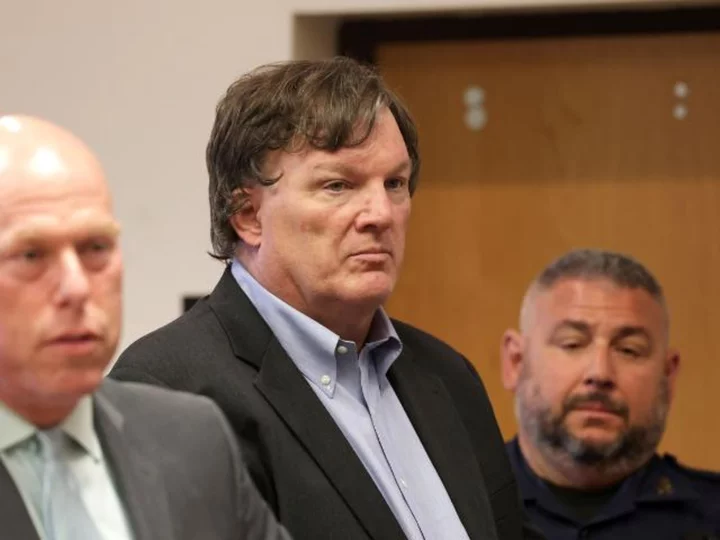
Rex Heuermann, accused of killing 3 of the Gilgo Four, is due in court Wednesday
Gilgo Beach killings suspect Rex Heuermann is set to appear in a New York court on Wednesday for a hearing in his case where he has pleaded not guilty to murder in the deaths of three women more than a decade ago.
2023-09-27 12:45
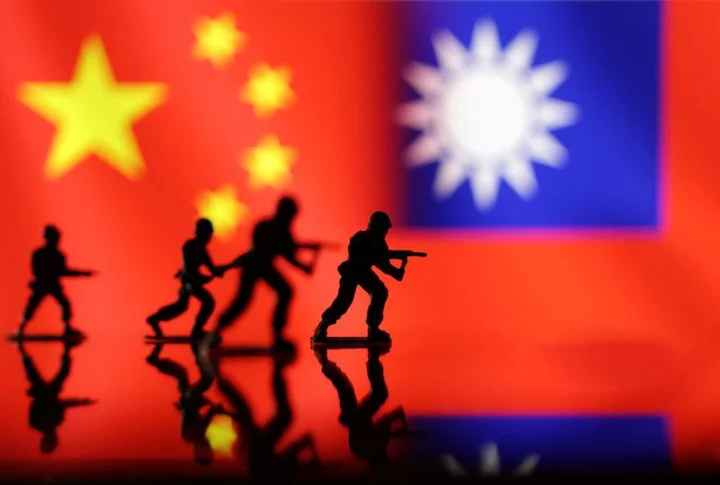
China says aim of its drills near Taiwan is to combat 'arrogance' of separatists
BEIJING (Reuters) -China's recent drills near Taiwan are aimed at combating the "arrogance" of separatist forces, the Chinese government said
2023-09-27 12:28
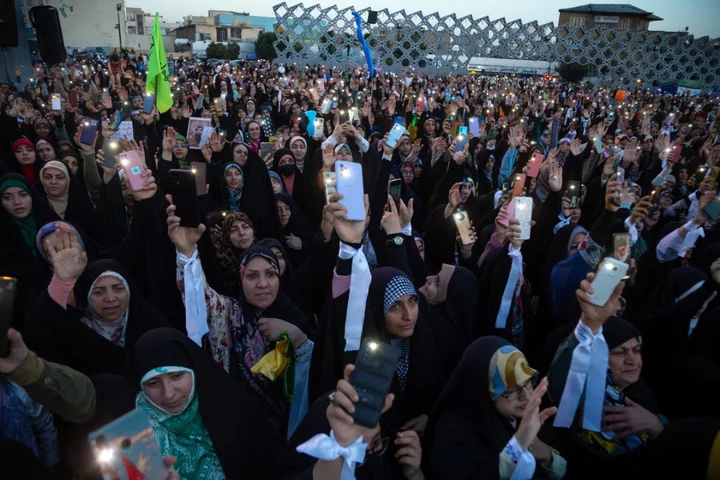
Iranian officials mulling over use of AI to issue fatwas
Officials in Iran are reportedly looking to use artificial intelligence to issue fatwas to speed up the process of Islamic law rulings. Clerics in the city of Qom – Iran’s main hub of Islamic learning – are mulling over the use of AI assistants to help them with religious seminaries, the Financial Times reported. “Robots can’t replace senior clerics, but they can be a trusted assistant that can help them issue a fatwa faster,” Mohammad Ghotbi, who heads a state-linked tech group in Qom, told FT. Iran is home to over 200,000 Shia clergy, of whom nearly half are based in Qom. These officials have been the country’s leading force in protecting its religious values amid growing clashes between tradition and modernity as AI use sees growing interest across the world. Iran particularly sees a growing need to modernise following last year’s nationwide uprising triggered by the death of 22-year-old Mahsa Amini in the custody of the country’s morality police after her arrest for allegedly violating the regime’s mandatory Islamic dress code. Violence launched by the regime against the protest movement also sparked condemnation from international rights groups, including the UN. “It pains me to see what is happening in the country – images of children killed, of women being beaten in the streets,” Volker Turk, UN high commissioner for human rights, said last year. “The old methods and the fortress mentality of those who wield power simply don’t work. In fact, they only aggravate the situation. We are now in a full-fledged human rights crisis,” Mr Turk said. Now, the regime’s clerical establishment seems to view technology – especially the use of AI – as an attempt to modernise. While still in infancy, the move to trial the use of AI to issue fatwas is underway in cities like Qom, whose first AI conference was held in 2020, according to FT. The head of the city’s seminary reportedly shared his views on how AI could advance Islamic studies of senior clergy and speed up their communication with the public. Interest shown by the clerics also appears to be in line with the views of the country’s supreme leader Ayatollah Ali Khamenei, who said in June that he wants the country to be “at least among the top-10 countries in the world in terms of artificial intelligence”. Read More Iran will keep taking hostages – because no one is willing to stand up to them ChatGPT now has power to ‘see, hear, and speak’ Can a chatbot preach a good sermon? Hundreds attend experimental Lutheran church service to find out Spotify clarifies position on whether it will ban AI-powered music ChatGPT now has power to ‘see, hear, and speak’ ChatGPT can now generate images and create illustrated books
2023-09-27 12:27