

Slack to retire its status account on Elon Musk’s X
Workplace messaging app Slack is retiring its status update account on X – formerly Twitter – where it previously shared updates about issues such as outages on the platform. “We made the decision to retire the @SlackStatus account,” the company posted on X. “We’ll continue to share other Slack news and provide support through our main account, @SlackHQ,” it said. The X account had been a useful source of information about ongoing issues with the platform and about problems being investigated by the company. Slack said it is consolidating news related to incidents in its status site. “Moving forward, the Slack Status site, https://status.slack.com, will be the source of truth for all incident news,” the company noted, adding that users can also reach out at feedback@slack.com “with any questions or feedback.” “Alerts will also be available through the RSS and Atom feeds linked at the bottom of the Slack Status home page,” Slack noted. Slack has undergone a number of technical issues this year with the app going offline during the workday for many users globally multiple times. The latest move by Slack to stop providing updates via its status account on X comes as the number of daily active users has declined on the social media platform following Tesla chief Elon Musk’s purchase of the company last year. X chief Linda Yaccarino said earlier this year that the company had about 225 million daily active users at the time – marking a decline of over 10 per cent of users from just before Mr Musk acquired the company. Market intelligence firm Similarweb also noted in a report recently that X’s global traffic is down by about 14 per cent year-on-year in September. Similarweb said the drop in user retention is “a bad sign for app user loyalty” for Twitter following the launch of rival app Threads by Instagram. Mr Musk also noted in July that the platform’s ad revenue was down 50 per cent as social media competition mounts. Other companies, including American Express and Air France have also stopped providing customer service over X. American Express had made its @AskAmex account private, while AirFrance said in April that it would stop offering support to customers via direct messages on the social media platform, The Verge reported. Read More Tesla’s profits dip as Musk goes on rant about staff working from home Elon Musk’s X may charge some users $1 a year to post on platform EU to investigate X’s handling of disinformation over Hamas attack on Israel Could X’s creditors push the social media company into bankruptcy? Slack down: Work chat app goes down as the working day begins Why taking a mental health day could be bad… for your mental health
2023-10-20 15:52

New Zealand landlord loses rubbish row with Chinese embassy
The landlord claimed the embassy failed to pay up to NZ$960 in rubbish removal and other costs.
2023-10-20 15:51

Matthew Vaughn wants to remake Star Wars for new generation
Matthew Vaughn would love to reboot 'Star Wars' for a new generation of fans.
2023-10-20 15:30

Analysts' comments on China's export permits for some graphite products
SINGAPORE China will require export permits for some graphite products to protect national security, its commerce ministry said
2023-10-20 15:25

Keith Richards reveals Charlie Watts' death 'jolted' The Rolling Stones into making new album Hackney Diamonds
The Rolling Stones have released their first album of new material in almost a decade.
2023-10-20 15:19

Deadpool 3 delayed from May 2024
'Deadpool 3' is halfway done and unlikely to make its pencilled-in release date next May.
2023-10-20 15:17

Take Five: Another curve ball for markets
Escalating tension in the Middle East and surging U.S. bond yields set financial markets up for more turbulence,
2023-10-20 14:55

Mumbai air worse than Delhi this week
Withdrawing monsoon rains and constructions work have caused the air quality to deteriorate, officials say.
2023-10-20 14:53

Elon Musk's X to launch premium subscriptions soon
(Reuters) -Elon Musk said on Friday social media platform X, formerly known as Twitter, will soon launch two new tiers
2023-10-20 14:50
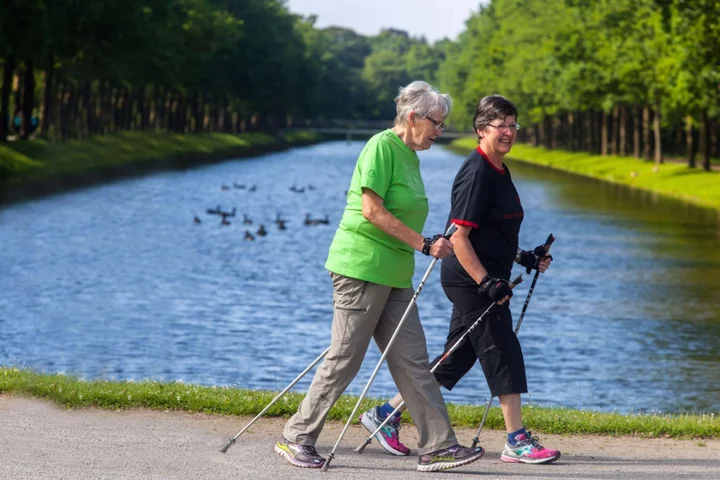
World Osteoporosis Day: The risk factors and early warning signs everyone needs to know about
October 20 marks World Osteoporosis Day – but despite being a relatively common condition, many people are unaware they’re at risk. According to Age UK, osteoporosis – which is associated with weakened bones and often referred to as a ‘silent disease’, as symptoms can creep up on people – affects approximately three million people in the UK. Yet, many only find out they have it when they break a bone. “[Osteoporosis] is a condition characterised by weakened bones, making them more prone to fractures,” explains Dr Zulqarnain Shah, a medical director at SSP Health. “It occurs when the body loses too much bone or makes too little bone, or both. Diagnosis of osteoporosis typically involves a combination of medical history, physical examination, and specialised tests, such as bone mineral density scans,” Shah adds. Could I be at risk of osteoporosis? According to Age UK, around half of women over 50, and around one in nine men in the same age group, will experience a fracture due to osteoporosis. However, several risk factors contribute to the development of the condition, meaning some people may be more likely to get it. “These include menopause, low calcium and vitamin D intake during younger years, family history, a sedentary lifestyle, smoking, excessive alcohol consumption, and certain medications,” explains Shah. “While it may not be possible to prevent all cases of osteoporosis, adopting a healthy lifestyle with regular weight-bearing exercise, a balanced diet rich in calcium and vitamin D, and avoiding smoking and excessive alcohol intake can help reduce the risk.” Being aware of osteoporosis can be particularly important if you have a family history. “A family history of osteoporosis or fragility fractures can indicate an increased risk,” explains Dr Elise Dallas, GP at The London General Practice. Other things that increase risk include having a history of “rheumatoid arthritis, low levels of oestrogen due to early menopause, anorexia nervosa or Turner’s syndrome, hyperthyroidism, parathyroid disease, Crohn’s and coeliac disease, and conditions that cause long periods of immobility”, adds Dallas. What are the symptoms of osteoporosis? When you have osteoporosis, you may suffer from “increased fracture risk, height loss, and chronic pain”, says Shah. “Fractures associated with osteoporosis are known as ‘fragility fractures’, which can occur with minimal impact. Fractures commonly occur in the spine, hip, and wrist, and can lead to significant pain, disability, and reduced quality of life,” he explains. Are there any early warning signs? Shah says: “Early signs of osteoporosis may not be apparent until a fracture occurs. However, a precursor condition called osteopenia may be detected through scans before the onset of full-blown osteoporosis.” Osteopenia is where the density of the bones decreases, but not thoroughly enough to be classed as osteoporosis. There are no real symptoms however, so it can only be detected with scans. The good news is, lifestyle measures and sometimes treatment can help prevent it getting worse. How is osteoporosis treated? Treatment for osteoporosis is mostly aimed at “strengthening bones and preventing fractures”, says Shah. “This typically involves a combination of lifestyle modifications, such as exercise and dietary changes, along with medication. “Medications may include calcium, vitamin D and bisphosphonates, hormone therapy for postmenopausal women, selective oestrogen receptor modulators (SERMs), and other options. “SERMS help manage the way oestrogen interacts with your body and has a similar impact on osteoporosis as hormone replacement therapy, to help mitigate the impacts of hormones on osteoporosis,” Shah explains. “Regular monitoring and adherence to treatment plans can help slow down or stop the progression of osteoporosis. A bone density scan – also known as a DEXA scan – can help monitor the progress of a condition and may be done at three to five-year intervals to assess progress. “Once a patient has been on bisphosphonates for five years, they may go on a ‘pill holiday’ for a couple of years, though the benefits of taking bisphosphonates continue long after the medication is stopped.” Getting support and advice to manage any pain and mobility challenges and reduce the risk of falls and injuries can also be very important for people living with osteoporosis, along with finding ways to stay active. If you are worried about your bones and osteoporosis risk you can reach out to charities like the Royal Osteoporosis Society and find out about your risk level. Read More How to support a child with a stammer From colourful gowns to drones, these wedding trends are set take over 2024 Call The Midwife ‘should come with a health warning’ Halloween: 10 wicked ways to kit out your haunted house Black magic: Go back to black this season with the catwalk-inspired trend How to prep your home for when the clocks go back
2023-10-20 14:47

How to support a child with a stammer
For people with a stammer, it can be hard to deal with, but it’s made worse by the fact that understanding of the condition amongst the general public is low. The speech problem usually starts in childhood, between the ages of around two and five years old, affecting around 8% of children and 2% of adults – that’s more than 1.3 million people in the UK. International Stammering Awareness Day (October 22) aims to destigmatise stammering and promote understanding and support for people who do have it, including advice for parents about how they can help affected children. “There’s a lot of stigma around stammering in society – even from an early age, children may be teased or bullied, and adults may tell them to speak properly,” says Catherine Woolley, children and families programme lead at STAMMA (the British Stammering Association). “Children who stammer sometimes feel embarrassed or worried about their speech and try to hide it. They might start to speak less or change words they want to say to ones which are easier to produce. “How you respond to your child can affect how they feel about their talking. It’s common for parents to worry about stammering, and if this is you, you can seek support to help you feel comfortable around your child’s stammering.” Woolley points out that, contrary to popular belief, stammering isn’t caused by anxiety or stress, and there’s no evidence that people who stammer are less intelligent than fluent speakers. “Research suggests stammering is neurological, which means there are subtle differences in the way the brains of people who stammer work,” she explains. “This means it belongs to the same group of neurodiverse conditions as ADHD, autism and dyslexia.” The condition is often hereditary, with about 60% of people who stammer having another family member who stammers, and while there’s no specific cure, Woolley says there are many different techniques and approaches that can increase people’s fluency in certain situations, although they may not work for everyone. “There isn’t one treatment which can miraculously make all people stop stammering,” she stresses. “Everyone’s stammer is unique, as is the way they want to manage their speech.” But there’s no doubt, she says, that parents can help their children deal with stammering, and make them feel more comfortable. 1. Value your child’s stammered voice “It’s simply the way they talk,” says Woolley. “What’s important is what they say and not the way they say it.” 2. Be patient Although it can obviously take more time for a child who stammers to say something, it’s important for parents and the rest of the family not to rush them. “Give them time to say what they want, and model this to their siblings and other family members,” she adds. 3. Don’t finish their words or sentences Woolley says that while it can be tempting to finish your child’s words or sentences for them, especially if you can see them struggling, it’s important to resist this urge to help. “It can be disempowering and embarrassing if you speak over them,” explains Woolley, “not to mention frustrating if your guess is wrong and they have to start all over again.” 4, Slow down yourself Rather than telling your child to speed up, slow down your own speech to reduce any time pressure they may feel. 5. Don’t show your own anxietyEven if you feel anxious when your child is stammering, try not to show it, advises Woolley, who suggests maintaining natural eye contact and remaining calm. “It can be uncomfortable listening to someone who stammers, but think how they feel. Try and maintain eye contact even if you feel awkward, as looking away can make them feel awkward too, or think you’ve lost interest in what they’re saying. Keep looking at them and give the occasional encouraging head nod to show you’re interested.” 6. Try not to be negative Woolley says it can be important to describe stammering using neutral language instead of negative references. So, for example, say, ‘He’s stammered more this week’, rather than, ‘His speech has been bad’. 7. Seek help Parents who are worried about their child’s talking or would like some help should contact their local NHS speech and language therapy department to talk through their concerns. In addition, STAMMA offers free Parent2Parent peer support groups run by parents of children who stammer, and workshops for such parents, plus a helpline (0808 802 0002) and a webchat service. Read More From colourful gowns to drones, these wedding trends are set take over 2024 Call The Midwife ‘should come with a health warning’ Halloween: 10 wicked ways to kit out your haunted house Black magic: Go back to black this season with the catwalk-inspired trend How to prep your home for when the clocks go back Menopause campaigner Mariella Frostrup: ‘I look forward to a future where women gradually stop feeling so ashamed’
2023-10-20 14:23

Hitting snooze button can actually benefit brain sometimes, study suggests
Hitting the snooze button on the alarm clock once in a while might actually support the brain’s process of waking from deep sleep, according to a new study. People sometimes want to go right back to sleep even after the alarm goes off in the morning, using the snooze button in clocks and cell phones. Decades of previous research suggested that hitting snooze can have negative effects, both on sleep and the brain’s ability to wake up, but until now there hasn’t been any direct evidence of this, say scientists. The new study, published in the Journal of Sleep Research, assessed how common snoozing is and what effects this behaviour has on sleep, sleepiness, mood, and the brain’s cognitive abilities. Researchers found that those who snooze on an average sleep slightly shorter and feel more drowsy in the morning compared to those who never snooze. But they also saw that there were no negative effects of snoozing on the release of the stress hormone cortisol, mood, or sleep quality throughout the night. In the study, 1732 individuals answered questions about their morning habits, including how often they hit the snooze button with many – especially young adults – reporting that they use the alarm feature regularly. The most common reason for snoozing, according to participants, is feeling too tired to get out of bed when the alarm goes off. In another small follow-up experiment, 31 regular snoozers spent two nights in a sleep lab in order to measure their sleep in more detail. On one of the mornings, they were allowed to snooze for 30 minutes, and on the other, they had to get up right when the alarm went off. While in the first case, participants’ sleep was disturbed during the half hour of snoozing, most of them still got more than 20 minutes of sleep – meaning that their total night’s sleep was not affected much. In the snooze condition, no one had to wake up suddenly from deep sleep, and the snoozers performed a bit better on cognitive tests right upon waking. There were also no clear effects of snoozing on mood, sleepiness, or the amount of cortisol in the saliva. The results hint that half an hour of snoozing may not have negative effects on night sleep and could have some positive effects like a decreased likelihood of waking from deep sleep. However, researchers caution that the second experiment was small and only included people who are regular snoozers who find it easy to go back to sleep after each alarm. They say snoozing is most likely not for everyone. Jennifer Kanaan from the University of Connecticut in the US, who is another sleep scientist unrelated to the study, said the latest findings should be interpreted with caution as it could send the wrong message to people. “If you’re coming in and out of sleep for 30 minutes, after the alarm goes off the first time, you’re costing yourself 30 minutes of uninterrupted, quality, restorative sleep,” Dr Kanaan said in a statement. Instead of trying to figure out how to manipulate our alarm clocks, she says people should make a consistent good night’s sleep a greater priority and be less reliant on snooze buttons. “Simply put, instead of hitting the snooze button they should get more sleep,” Dr Kanaan said. Read More Study reveals why millions of women wake up at 3.29am Consistent lack of sleep may increase risk of future depressive symptoms – study Breakthrough study allows scientists to communicate with people as they sleep How to support a child with a stammer ‘I lost nearly a stone on Ozempic, but now it’s run out what am I to do?’ Miriam Margolyes now has part of a cow’s heart as she opens up about health
2023-10-20 14:20