

Childhood Cancer Awareness Month: What are the warning signs that your child might have cancer?
It’s heart-breaking to see a child that’s seriously ill, particularly when they’ve got cancer and might not survive. But children do get the disease – and it’s being highlighted during September’s Childhood Cancer Awareness Month. Fortunately, it’s not common. But every day in the UK, 10 families receive a cancer diagnosis for their child, teenager or young adult, and it’s the leading cause of death in children under 14, according to the charity Children With Cancer UK (CWCUK). However, Jeanette Hawkins, chief nurse at the Children’s Cancer and Leukaemia Group (funded by Young Lives vs Cancer), stresses that childhood cancer isn’t as rare as people might think, with a similar risk as diabetes, epilepsy and bacterial meningitis. “Use of the word rare for childhood cancer is a barrier to diagnosis as both GPs and parents therefore don’t consider it’s possible,” she explains. “Families, on average, have three to five GP visits before cancer is suspected. We need to reduce that by increasing awareness. Remember that childhood cancer is often a constellation of non-specific persistent symptoms, rather than a single ‘red flag’ that would alert a GP. “If you’re worried about your child keep going back.” Christiana Ogunbote, head of research at CWCUK, says childhood cancer accounts for less than 1% of all cancers in the UK, and explains there are 12 main categories of cancers affecting children, with the most common being leukaemia (30%), brain, central nervous system (CNS), intracranial tumours (26%) and lymphomas (11%). Ogunbote says cancer symptoms in children can vary widely depending on the cancer type and where it is in the body, but points out: “Often the individual symptoms of cancer can be similar to common childhood illnesses, so it can be hard to identify. “If a symptom progresses or doesn’t get better as quickly as expected, we would suggest getting it checked out by a medical professional. It’s useful for parents who know what’s ‘normal’ for their child to be aware of the signs and symptoms of cancer, as earlier diagnosis will support better outcomes for children and young people.” Here, Ogunbote outlines the symptoms of the three most common childhood cancers… 1. Leukaemia Symptoms of leukaemia in children and babies, which may be acute myeloid or acute lymphoblastic leukaemia (ALL), can include frequent and persistent infections, unusual bleeding and/or bruising, tiredness, paleness, breathlessness and, with ALL, coughing and anaemia. “Childhood leukaemia develops quickly,” says Ogunbote. “but it’s possible for some or all of these symptoms to be apparent.” She says a leukaemia diagnosis can be made from a blood test, which may reveal low numbers of normal white blood cells and large numbers of abnormal white blood cells. Further tests will then be done on a sample of bone marrow to confirm the diagnosis. 2. Brain and spinal tumours The symptoms of brain and spinal tumours (central nervous system tumours) vary between age groups, says Ogunbote, but symptoms in babies may include persistent/recurrent vomiting, balance/co-ordination/walking problems, abnormal eye movements or suspected loss of vision, behaviour change (particularly lethargy), fits or seizures (not with a fever), abnormal head position such as head tilt or stiff neck, and increasing head circumference. Children’s brain tumour symptoms are similar to symptoms in babies, but may also include a persistent/recurrent headache, blurred or double vision, fits or seizures, reduced consciousness and abnormal growth. Ogunbote says symptoms vary depending on the type and site of the tumour, and develop much more slowly with low grade tumours. But she stresses: “It’s important to remember that many of these symptoms are extremely common, and experiencing one by itself is rarely a sign of a brain tumour.” A CT or MRI scan will be done if a brain tumour is suspected, and if the scan confirms the diagnosis, further investigations will determine the type of tumour and best treatment. 3. Lymphoma Children may get a cancer of the lymphatic system known as either Hodgkin or non-Hodgkin lymphoma, and Ogunbote says symptoms of both include a persistent (lasting a few weeks) painless swelling of a single lymph gland, usually in the neck, or possibly in the armpit or groin with non-Hodgkin, a cough or breathlessness (if glands in the chest are affected), fevers, sweats, and weight loss. There may be itching with Hodgkin lymphoma, and with non-Hodgkin there may be tiredness, feeling full after a small meal, stomach pains (if abdominal lymph glands are affected), and sleep sweats. Diagnosis is confirmed by removing part or all of an affected lymph gland, usually under general anaesthetic, and doing a biopsy on it so the cells can be examined in a laboratory. Further tests, like x-rays, CT and MRI scans and blood tests, will also be carried out to determine the size and position of the lymphoma and whether it has spread. This is known as staging. “Many of the symptoms of lymphoma can also be symptoms of other illnesses, so this can make it difficult to diagnose,” explains Ogunbote. “Symptoms your child might experience depend on where the lymphoma is in their body, and symptoms vary from child to child, even if they have the same type of lymphoma.” Read More Charity boss speaks out over ‘traumatic’ encounter with royal aide Ukraine war’s heaviest fight rages in east - follow live 4 viral TikTok make-up trends you’ll actually want to try Daily aspirin dose could help prevent diabetes in older people – researchers Secondhand September: The best places to buy pre-loved fashion online
2023-09-01 16:28

Transfer deadline day LIVE: Ryan Gravenberch on brink of Liverpool move as Man Utd sign Turkish goalkeeper
Transfer deadline day is upon us as Premier League clubs have until 11pm BST this evening to wrap up their deals, with some frantic last-minute buying and selling guaranteed. Liverpool look set to give their midfield a further boost with the signing of Ryan Gravenberch from Bayern Munich, while Tottenham Hotspur are chasing Nottingham Forest forward Brennan Johnson as a potential Harry Kane replacement. Elsewhere, Man City could be set to sell Cole Palmer to Chelsea, while the latter could offload Callum Hudson-Odoi after his return from loan. Manchester United, meanwhile, are still looking for at least two more additions – including Spurs left-back Sergio Reguilon – but did sell goalkeeper Dean Henderson to Crystal Palace on Thursday evening, with a potential replacement lined up. Brighton look set to sign Ansu Fati on loan from Barcelona, while several other Premier League teams could also conclude deals late on before the window shuts. Follow all the latest news and transfer rumour updates below; get all the latest football betting sites offers here and the latest odds on transfer deadline day deals here.
2023-09-01 16:25

Sam Ryder has ‘amicably split from his record label’
Just a year after he rose to global fame in the 2023 Eurovision song contest, Sam Ryder is said to have “amicably” split from his record label.
2023-09-01 16:23

Noel Gallagher reveals secret collaboration with Black Keys is on way: ‘It’s pretty cool!’
Ahead of touring his new solo album, Noel Gallagher says he worked in the studio on “pretty cool” new music with the Black Keys after they asked him to be a co-writer.
2023-09-01 16:19
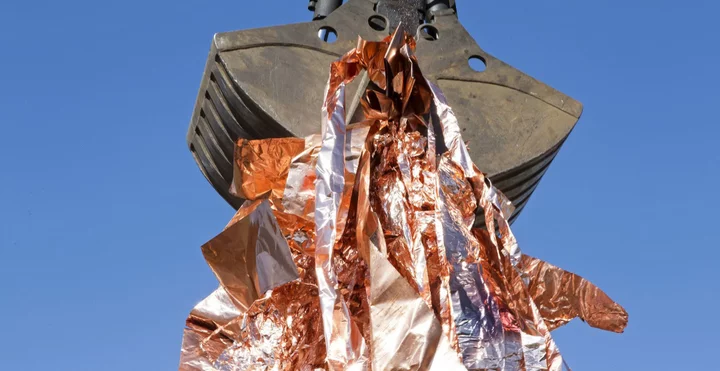
Copper Smelter Aurubis Says It Is Victim of Huge Metal Scam
Europe’s top copper producer Aurubis AG warned it may face losses in the hundreds of millions of euros
2023-09-01 15:59

Daily aspirin dose could help prevent diabetes in older people – researchers
Taking 100mg of aspirin every day could lower the risk of people aged 65 and over developing type 2 diabetes, researchers have suggested. Scientists – led by Professor Sophia Zoungas of Monash University’s School of Public Health and Preventive Medicine in Melbourne – said their findings warrant further exploration but do not change the current clinical guidelines on older people taking aspirin. Some 16,209 people were included in the study; 8,086 were given aspirin while 8,123 were given a placebo. All were aged 65 or over and did not suffer from cardiovascular disease, physical disabilities or dementia. Although these new findings are of interest, they do not change the clinical advice about aspirin use in older people at this time Prof Zoungas Over a median follow-up of 4.7 years, researchers found the group given aspirin had a 15% reduction in type 2 diabetes and a slower rate of increase in fasting plasma glucose (FPG) levels. The authors said: “Given the increasing prevalence of type 2 diabetes among older adults, the potential for anti-inflammatory agents like aspirin to prevent type 2 diabetes or improve glucose levels needs further study.” The findings will be presented to delegates at the annual meeting of the European Association for the Study of Diabetes (EASD) in Hamburg in October. However, the study was a follow-up of the ASPREE trial, which was published in 2018. It found taking aspirin led to a 38% increased risk of major haemorrhage in older adults without any reduction in incidence of cardiovascular disease. Prof Zoungas said her team’s research does “not change clinical advice” around older people taking aspirin. According to the NHS, a low-dose of aspirin – 75mg – each day can help to prevent heart attacks and strokes in people who are at high risk of them, but should only be taken if your doctor recommends it. Prof Zoungas added: “The earlier published trial findings from ASPREE in 2018 showed aspirin did not prolong healthy independent living, but was associated with a significantly increased risk of bleeding, primarily in the gastrointestinal tract. “Major prescribing guidelines now recommend older adults take daily aspirin only when there is a medical reason to do so, such as after a heart attack. “Although these new findings are of interest, they do not change the clinical advice about aspirin use in older people at this time.” In June, a paper published in The Lancet Diabetes and Endocrinology journal claimed 1.3 billion people could be living with diabetes by 2050 – more than double the 529 million cases in 2021. Academics described the condition as one of the “biggest public health threats of our time”. However, Dr Faye Riley, research communications manager at Diabetes UK, said the link between aspirin and diabetes prevention “remains unclear”. She added: “With more than 2.4 million people in the UK at high risk of type 2 diabetes, there’s an urgent need to find new and better ways to help people avoid the condition. “While this research found that taking a daily low-dose aspirin was linked to a small decrease in risk of type 2 diabetes in older people, whether aspirin has a role to play in type 2 prevention remains unclear, and this approach may have unwanted side effects. “We know the use of daily aspirin increases risk of potentially serious bleeding in people with diabetes and others, so we advise only taking daily low-dose aspirin if your doctor recommends it and they will discuss exactly what dose is right for you. “We do know the best ways to reduce your risk of type 2 are getting support to lose weight if you need to, eating a healthy, balanced diet and doing more physical activity. “ Read More Charity boss speaks out over ‘traumatic’ encounter with royal aide Ukraine war’s heaviest fight rages in east - follow live Secondhand September: The best places to buy pre-loved fashion online What are gynaecological cancers and how can you prevent them? Alzheimer’s: How and when to talk to someone about their memory loss
2023-09-01 15:55

Oligopolies Curb Nigeria’s Efforts to Tame Inflation, Study Says
Reforms are needed in Nigeria to increase competition and reduce the ability of large and dominant firms to
2023-09-01 15:50
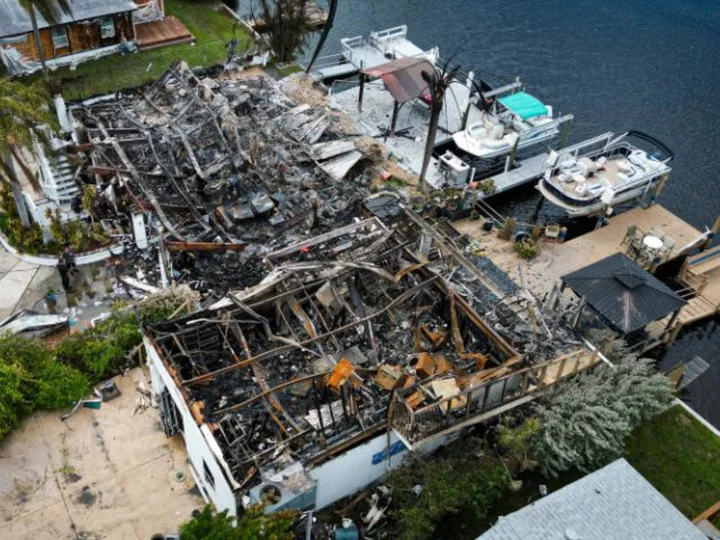
Recovery efforts are focused on power restoration in Florida communities as sweltering heat moves in after Hurricane Idalia
Crews in Florida will keep working to restore power and clear debris Friday after Hurricane Idalia flooded thousands of homes along its west coast -- and outages have left thousands waking up in the dark as scorching heat has set in.
2023-09-01 15:29

Meloni Takes a Chance to Tighten Grip on Corporate Italy
After almost a year of treading carefully, Italian Premier Giorgia Meloni is unleashing her brand of hands-on capitalism
2023-09-01 15:29

Akon's new music 'includes a bigger African influence'
Akon has revealed that he doesn't feel under any financial pressure to produce hit records.
2023-09-01 15:28

Oil Heads for Robust Weekly Gain as Russia to Extend Export Cuts
Oil headed for the biggest weekly gain since April as Russia signaled it would extend export curbs and
2023-09-01 15:20
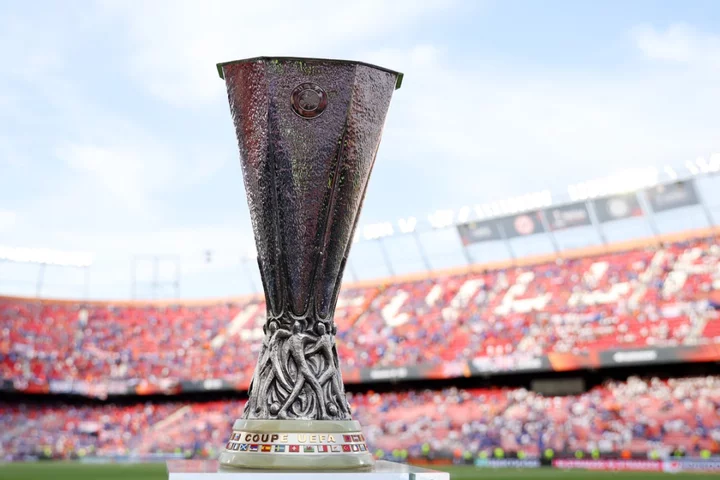
What time is the Europa League group stage draw today?
The Europa League is nearly upon us for the new 2023/24 season, with the group stage draw set to take place in Monaco on Friday. Four British sides will be in the hat: Liverpool and Brighton finished fifth and sixth respectively in the Premier League to qualify for the Europa League, while West Ham won the Europa Conference League to book their spot. Rangers finished runners-up in the Scottish Premiership to reach the Champions League play-offs, but they lost to PSV Eindhoven. For the final time before the competition takes on the new Swiss-system format next season, 32 teams will be split into eight groups of four. Each group will contain one team from each of the four seeded pots, and clubs from the same national league will not be drawn together in the same group. The final will take place at the Aviva Stadium in Dublin on 22 May 2024. Get all the latest football betting sites offers here or sign up to bet365 using The Independent’s unique bonus code by clicking here. When is the Europa League draw? The draw for the group stage will take place in Monaco on Friday 1 September, at 12pm BST. Which clubs have qualified? There were 22 clubs qualified directly for the Europa League group stage, with ten play-offs deciding the remaining places. England: Brighton, Liverpool, West Ham Spain: Real Betis, Villarreal France: Marseille, Rennes, Toulouse Italy: Atalanta, Roma Germany: Freiburg, Leverkusen Austria: Sturm Graz, LASK Azerbaijan: Qarabag Belgium: Union Saint Gilloise Czechia: Sparta Prague, Slavia Prague Cyprus: Aris Limassol Greece: AEK Athens, Panathinaikos, Olympiacos Israel: Maccabi Haifa Moldova: Sheriff Netherlands: Ajax Norway: Molde Poland: Rakow CzÄ™stochowa Portugal: Sporting CP Scotland: Rangers Serbia: TSC Sweden: Hacken Switzerland: Servette What are the Europa League group stage dates? Matchday 1: 21 September Matchday 2: 5 October Matchday 3: 26 October Matchday 4: 9 November Matchday 5: 30 November Matchday 6: 14 December Read More Unai Emery keen for extended European run with Aston Villa How to watch the Europa League group stage draw on TV and online On This Day in 2016: David Luiz returns to Chelsea Rangers fail to qualify for Champions League after thrashing by PSV Eindhoven Football rumours: Tottenham take pursuit of Brennan Johnson to deadline day Premier League leads the way as global transfer spending record smashed
2023-09-01 14:58