

As Israeli military retaliates, Palestinians say civilians are paying the price in strikes on Gaza
Over the last five days, Israeli warplanes have pummeled Gaza with an intensity that its war-weary residents had never experienced
2023-10-12 07:58
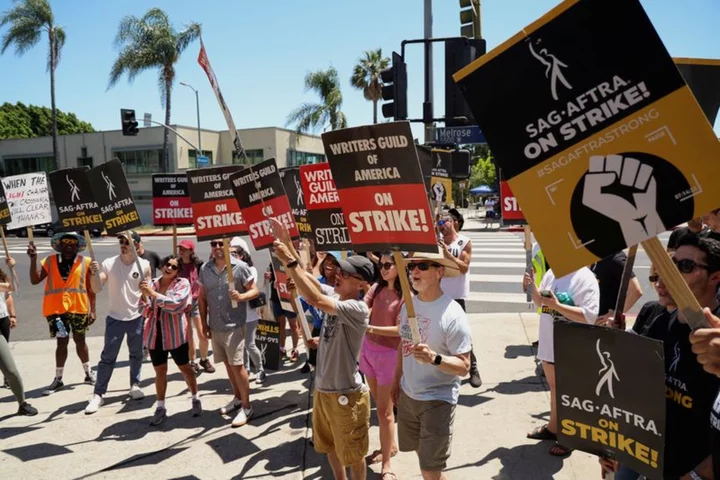
No agreement between striking Hollywood writers, studios on resuming talks, WGA says
By Dawn Chmielewski LOS ANGELES (Reuters) -Writers Guild of America (WGA) negotiators met on Friday with representatives of the major
2023-08-05 15:53
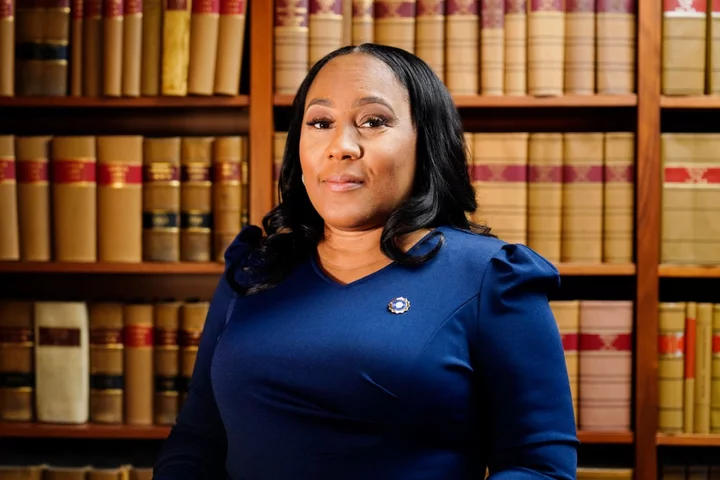
Georgia grand jury meeting today whether Trump is charged over Georgia’s 2020 election
A grand jury being seated Tuesday in Atlanta will likely consider whether criminal charges are appropriate for former President Donald Trump or his Republican allies for their efforts to overturn his 2020 election loss in Georgia. Fulton County District Attorney Fani Willis has been investigating since shortly after Trump called Georgia Secretary of State Brad Raffensperger in early 2021 and suggested the state's top elections official could help him “find 11,780 votes,” just enough needed to beat Democrat Joe Biden. The 2 1/2-year investigation expanded to include an examination of a slate of Republican fake electors, phone calls by Trump and others to Georgia officials in the weeks after the 2020 election and unfounded allegations of widespread election fraud made to state lawmakers. Willis, a Democrat, is expected to present her case before one of two new grand juries being seated Tuesday. She has previously suggested that any indictments would likely come in August. Here's how that process would work: WAIT. WASN'T THERE ALREADY A GRAND JURY IN THIS CASE? Yes. About a year into her investigation, Willis took the unusual step of asking for a special grand jury. She said at the time that she needed the panel's subpoena power to compel testimony from witnesses who otherwise might not be willing to talk to her team. That special grand jury was seated in May 2022 and was released in January after completing its work. It was essentially an investigative tool and didn't have the power to indict. Instead, it issued subpoenas and considered testimony from about 75 witnesses, as well as other evidence, before drafting a final report with recommendations for Willis. While part of that report was made public in February, the judge overseeing the special grand jury said any recommendations on specific charges for specific people would remain secret for the time being. The panel's foreperson said in media interviews later that month that they recommended indicting numerous people, but she declined to name names. Willis isn't bound by the special grand jury's recommendations. WHO MIGHT WILLIS BE EYEING FOR POSSIBLE CHARGES? Willis sent letters last summer warning certain people — including the state's fake electors and former New York mayor and Trump lawyer Rudy Giuliani — that they could face charges in the case. Some of the fake electors have since reached immunity deals with Willis' team. While she hasn't said one way or the other whether she would seek charges against Trump, Willis has repeatedly said no one is above the law. Willis is a fan of Georgia’s Racketeer Influenced and Corrupt Organizations Act, and there have been hints she'll use it in this case. The RICO Act allows prosecutors to bring charges against multiple people that they believe committed separate crimes while working toward a common goal. HOW COMMON ARE REGULAR GRAND JURIES? Very. There are generally two grand juries seated in Fulton County in each two-month term of court. They usually meet every week — one on Mondays and Tuesdays and the other on Thursdays and Fridays. Their work takes place behind closed doors, not open to the public or to news media. Grand jurors must be U.S. citizens who are at least 18 years old and must live in the county where they serve. Each grand jury is made up of 16 to 23 people and up to three alternates — at least 16 must be present for cases for the grand jury to hear any evidence or take any official action. WHAT HAPPENS WHEN THE CASE IS PRESENTED TO THE GRAND JURY? Georgia law requires an indictment from a grand jury to prosecute someone in most felony cases — things like murder, aggravated assault, robbery and other crimes. When prosecutors present a case, they're trying to convince the grand jurors that there is probable cause that one or more people committed crimes and to get the grand jurors to sign off on bringing charges against them. For each case, prosecutors read or explain the potential indictment and then call witnesses or present any other evidence. Any witnesses who testify must swear an oath to tell the truth. Often in Georgia, the only witnesses the grand jury hears from are law enforcement officers, including investigators for the district attorney's office. They can tell the grand jurors what they've learned in their investigation, including what suspects or witnesses have said and what other evidence they have. Members of the grand jury are allowed to question witnesses. In general, a person who is named as a defendant on the potential indictment cannot be called to testify before the grand jury. HOW DO GRAND JURY DELIBERATIONS WORK? After the case has been presented, only members of the grand jury can be in the room for deliberations. They discuss the case and vote on whether to return a “true bill” or a “no bill.” A “true bill” means the grand jurors have voted to indict because they think there is probable cause to believe that the person accused committed the alleged crimes. A “no bill” means the grand jurors don't believe the person committed the alleged crimes or there isn't enough evidence to indict. At least 16 grand jurors must participate in the voting, and an indictment requires 12 of them to vote in favor of charges. The grand juror oath in Georgia requires jurors to “keep the deliberations of the Grand Jury secret unless called upon to give evidence thereof in some court of law of this State.” WHAT HAPPENS AFTER GRAND JURORS VOTE? If a grand jury votes to bring charges, the indictment must be presented in open court by the grand jury or the sworn grand jury bailiff in a courtroom where a judge and the clerk are present. Then it is filed in the clerk's office and is a public document. Soon after that, those charged will be booked and have their first court appearances. If the grand jury votes against indicting anyone, prosecutors can present the case again to a different grand jury. But if two grand juries vote not to indict on the same charges, prosecutors generally cannot try again to get an indictment on those charges. IF TRUMP IS INDICTED, CAN HE STILL RUN FOR PRESIDENT? Yes. Neither an indictment nor a conviction would prevent Trump from running for or winning the presidency in 2024. He has already been indicted twice this year in other cases. He faces 34 felony charges in New York state court accusing him of falsifying business records in a hush money scheme over allegations of extramarital sexual encounters. And he faces 37 felony charges in federal court in Florida accusing him of hoarding classified documents and refusing government demands to give them back. In addition, a Justice Department special counsel is investigating his efforts to overturn the results of the 2020 presidential election in multiple states, as well as the events leading up to the Jan. 6, 2021, insurrection at the U.S. Capitol. Read More Ukraine war’s heaviest fight rages in east - follow live Charity boss speaks out over ‘traumatic’ encounter with royal aide Pence shuts down voter who blamed him for certifying Biden’s 2020 win Trump’s co-defendant wants to delay routine hearing on classified documents case Ex-Congressman suggests Hunter Biden alleged laptop data fabricated
2023-07-11 20:18
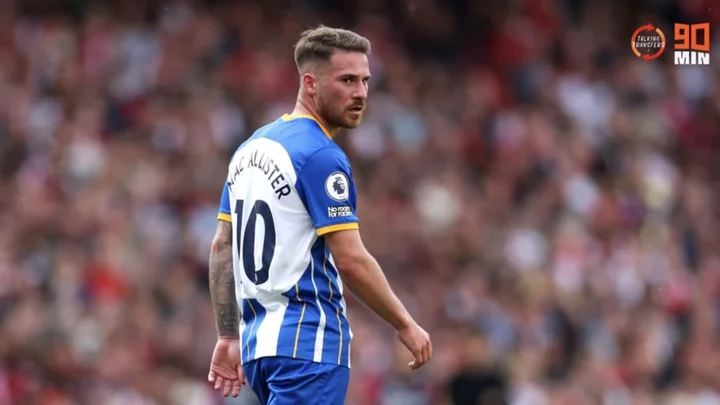
Liverpool agree personal terms with Brighton's Alexis Mac Allister
Liverpool have reached a full agreement over personal terms with Brighton's Alexis Mac Allister.
2023-06-05 19:52
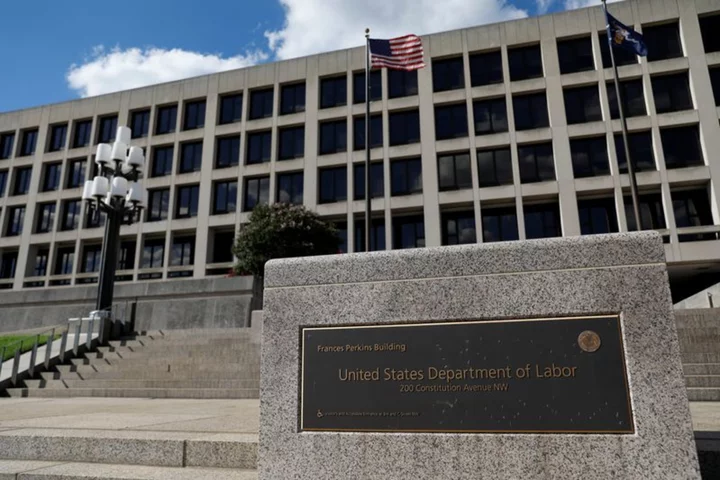
US Labor Department providing $653 million to help states upgrade UI systems
WASHINGTON The U.S. Department of Labor said on Friday it was providing up to $653 million in grants
2023-05-27 04:15
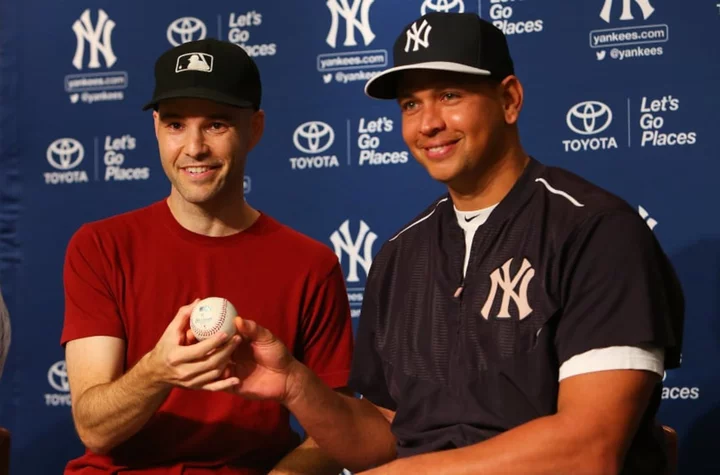
Bad news: Worst person ever caught Gunnar Henderson's first playoff home run
Zack Hample, one of MLB's most infamous fans, strikes again, snagging Gunnar Henderson's first postseason home run and showing no intention of returning it to the rookie.
2023-10-09 11:56
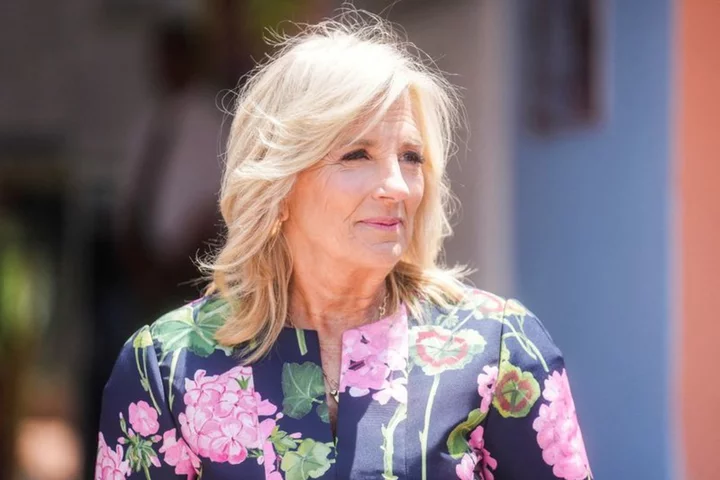
Jill Biden launches presidential campaign fundraising tour for husband Joe
By Nupur Anand and Trevor Hunnicutt NEW YORK U.S. first lady Jill Biden on Monday embarked on a
2023-06-13 08:20
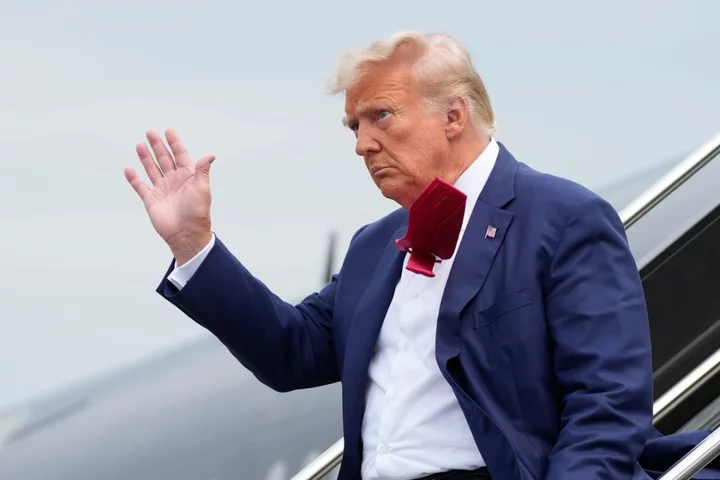
Trump pleads not guilty to federal conspiracy charges in plot to overturn 2020 election
Donald Trump has pleaded not guilty to four criminal charges stemming from his attempt to overturn the election he lost to Joe Biden less than three years ago. Mr Trump entered his plea on the second-floor courtroom at the E Barrett Prettyman Courthouse in Washington DC on 3 August, just a short walk from where a mob of his supporters began assaulting police officers at the start of the January 6 attack on the US Capitol. The twice-impeached, now-thrice-indicted ex-president’s appearance in criminal court – his third since April – comes just two days after a Washington DC grand jury charged him with three criminal conspiracies and obstruction in connection with his attempts to overturn the results of the 2020 presidential election. In a poetic twist of fate, Mr Trump’s latest arraignment brought him to the exact same courthouse where hundreds of people have been tried, convicted and sentenced to terms in prison as long as 18 years for charges in connection with January 6. Mr Trump, the man Liz Cheney once credited with having “assembled” and “summoned” members of the mob, is now the latest defendant among them. Three police officers who defended the Capitol that day – Daniel Hodges, Aquilino Gonnell and Harry Dunn – watched the former president’s arraignment from inside the court. “All I have wanted from day one is accountability,” Mr Dunn said in a statement through his attorney. Mr Trump was accompanied by John Lauro, a veteran Washington-based criminal defence attorney, and Todd Blanche, the New York-based lawyer who is leading his defence in the other criminal cases against him. The former president – wearing his customary red tie, white shirt and dark blue suit – sat impassively between his attorneys, while US Department of Justice special counsel Jack Smith was seen glancing at the defendant and counsel as the courtroom waited for the arrival of US Magistrate Judge Moxila A Upadhyaya. The court proceedings began at 4.15 pm, with the courtroom standing for the magistrate judge’s entrance. After attorneys for the government and defence introduced themselves, Mr Trump was asked to swear to tell the truth, the whole truth and nothing but the truth, and the judge reminded participants and media of court rules against recording. Mr Trump was then asked to state his full name: “Donald J Trump – John – Donald John Trump.” Asked for his age, he at first said “seven seven,” then corrected himself and said “77”. After Judge Upadhyaya read the charges and explained the penalties Mr Trump could face if convicted, she advised the ex-president – who she addressed as “Mr Trump” – of his right to remain silent, and his right to an attorney. After explaining each right, she asked if he understood. Each time, he replied: “Yes” or “yes, I do”. Mr Lauro, the attorney for the ex-president, entered a plea of not guilty on all counts on his behalf. Judge Upadhyaya warned Mr Trump that the “most important” condition of his release is that he not commit any crimes while awaiting trial, and said he could face pretrial detention or harsher sentences if he violates that condition. She also warned him of the consequences of failing to appear for future court dates, and specifically cautioned Mr Trump against intimidating, retaliating, or trying to influence any witness in the case against him. Asked if he would comply, the ex-president appeared to answer in the affirmative, at which point the judge ordered a pretrial services officer to swear him to abide by the conditions, which he then signed in the magistrate judge’s presence. Judge Upadhyaya then offered both sides several potential dates for the next hearing in the case, which she said she had come up with after consulting with Judge Tanya Chutkan, the district judge overseeing the case. While the magistrate judge set the next hearing for 28 August, she said Mr Trump is not required to appear, and ordered the government to file a proposed schedule and state how many days it expects to need for trial within seven days. She also ordered the defence to file a response seven days after that. Mr Lauro said the defence would need “an understanding of the magnitude of discovery,” including possible “exculpatory information” before being able to state when Mr Trump would be ready for trial. “There’s no question in my mind that Mr Trump is entitled to a fair and just trial,” he said, adding that he would like information on the “scope and extent” of evidence within two or three days. Mr Windom said in response that the government would “endeavour” to get the materials to defence “very, very quickly” after an appropriate protective order is entered. He added that the case would benefit from “normal order” and “a speedy trial,” after which Judge Upadhyaya said there would be a fair process for both sides. The magistrate judge added that Judge Chutkan intends to set a trial date at the 28 August hearing. Mr Lauro then rose again to suggest that he and his co-counsel could not say when they’d want a trial until after the discovery is turned over, but Judge Upadhyaya said her order for a response from the defence seven days after the government’s proposal would stand. In response, Mr Lauro then told the magistrate judge that it was “somewhat absurd” for the trial to take place within the time frame laid out under the Speedy Trial Act, and suggested that all he is seeking is “a little time”. Judge Upadhyaya then ordered Mr Lauro to file his request to “toll” the Speedy Trial Act’s requirements in a written motion within five days. A relatively small number of pro- and anti-Trump demonstrators joined the dozens of news outlets and makeshift studios on the courthouse grounds. Law enforcement agencies erected temporary barriers around the building and surrounding streets. Many of the pro-Trump figures who came to Washington appeared to be from the same group of die-hard supporters who flocked to his prior federal arraignment in Miami, including members of the “Blacks for Trump” group often seen behind him at his campaign rallies. Another recognisable personality who came to the courthouse was Randy Credico, a comedian and radio host who gained a measure of prominence when he was a witness at the 2019 trial of longtime Trump associate Roger Stone on charges that the veteran GOP operative lied to Congress and committed witness tampering by threatening to harm Mr Credico’s emotional support dog, a Havanese called Bianca. Mr Stone, who was convicted of those charges, was later pardoned by Mr Trump before he left office. The latest criminal charges against Donald Trump The latest four-count indictment against Mr Trump alleges four crimes: conspiracy to defraud the United States, conspiracy to obstruct an official proceeding, obstruction and attempt to obstruct an official proceeding, and conspiracy against rights. The indictment also lists six unnamed co-conspirators, including Trump-linked attorneys and Justice Department officials. Prosecutors have outlined a multi-state scheme built on Mr Trump’s legacy of lies and conspiracy theories to undermine the democratic process, culminating with an attack on the US Capitol fuelled by that same baseless narrative. According to prosecutors, then-President Trump and his allies conspired with officials in states that he lost to invalidate ballots and use fraudulent electors to cast their electoral college votes on his behalf, relied on the Justice Department to implement the plan, and pressured then-Vice President Mike Pence to certify what was a fraudulent outcome when he presided over a joint session of Congress on 6 January, 2021. After Mr Pence refused, Mr Trump and his alleged co-conspirators “exploited” the chaos from a mob of his supporters to delay the certification and make a last-ditch effort to reverse the results, according to the indictment. “Despite having lost, [Mr Trump] was determined to remain in power,” the indictment states. “These claims were false, and the Defendant knew that they were false. In fact, the Defendant was notified repeatedly that his claims were untrue – often by the people on whom he relied for candid advice on important matters, and who were best positioned to know the facts – and he deliberately disregarded the truth.” Mr Trump and his allies and right-wing pundits have accused President Biden and the US Department of Justice of “weaponising” the federal government against the former president, cast as a victim of political persecution against his Democratic rival. They claim that the latest indictment is a threat to his First Amendment rights to refute his election loss. The indictment, crucially, states that Mr Trump has the right – “like every American” – to falsely state whatever he wants about the election, even to claim victory when in fact has not. What he cannot do, prosecutors argue, is weaponize those lies in a conspiracy to overturn the results. “Each of these conspiracies – built on the widespread mistrust [Mr Trump] was creating through pervasive and destabilizing lies about election fraud – targeted a bedrock function of the United States federal government,” according to the indictment. More criminal charges and trials ahead The case is far from Mr Trump’s only legal obstacle as he campaigns for the 2024 Republican nomination for president. Mr Trump faces two other criminal cases that are scheduled for trial next year. The first, starting March 2024, will be in his former home state of New York, where a Manhattan prosecutor in April charged him with falsifying business records in connection with hush money payments used to silence stories of his alleged affairs in the lead-up to his 2016 election, marking the first-ever criminal indictment of a former president. Two months later, he will appear in a South Florida federal courtroom to be tried on a 40-count federal indictment accusing him of illegally retaining classified documents at the Palm Beach mansion turned social club where he maintains his primary residence, and conspiring to obstruct a federal probe into his alleged unlawful retention of the documents with the aid of two co-conspirators. He has pleaded not guilty in both cases. Mr Trump, his three eldest children and his business empire also face a $250m lawsuit from New York Attorney General Letitia James following a three-year civil investigation into allegations of fraud. That case is expected to head to trial on 2 October. And in Georgia, a grand jury is hearing evidence and witness testimony surrounding a pressure campaign from Mr Trump and his allies to overturn 2020 election results in that state following a two-year investigation from Fulton County District Attorney Fani Willis. Ms Willis has indicated that potential charges stemming from that investigation would arrive this month. Read More Trump arraignment live updates: Trump heads to DC court to be arraigned for 2020 election charges Trump, January 6 and a conspiracy to overturn the 2020 election: The federal investigation, explained Eight key revelations from Trump’s January 6 indictment Donald Trump’s latest indictment is a test for America Who are Trump’s six alleged co-conspirators in the 2020 election probe case?
2023-08-04 05:26
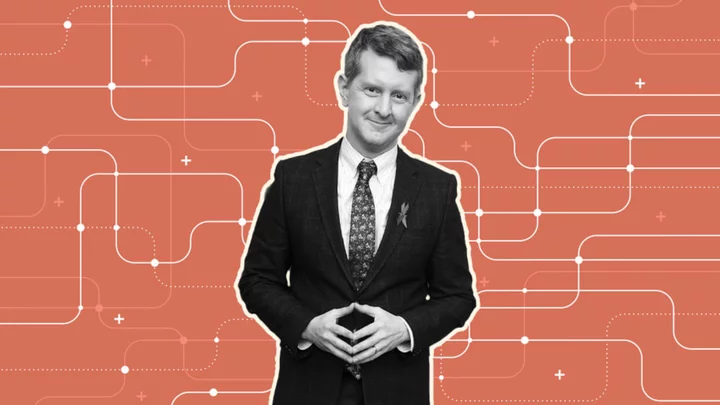
What's the Kennection? #78
All five answers to the questions below have something in common. Can you figure it out?
2023-09-03 05:29
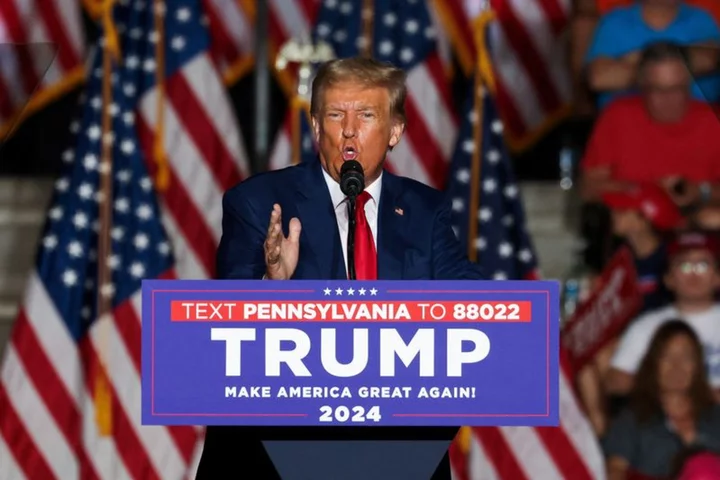
Trump to face charges of trying to overturn 2020 election defeat
By Sarah N. Lynch and Jacqueline Thomsen WASHINGTON (Reuters) -Former U.S. President Donald Trump is due to appear in court
2023-08-03 20:51
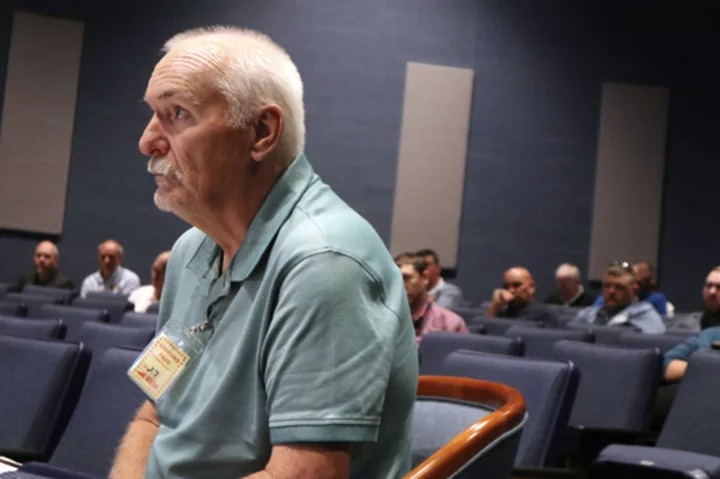
Coal miners plead with feds for stronger enforcement during emotional hearing on black lung rule
Miners and advocates are pleading with the Mine Safety and Health Administration to ensure a proposed rule to cut the current limit for silica dust exposure has strict enforcement mechanisms
2023-08-11 05:46
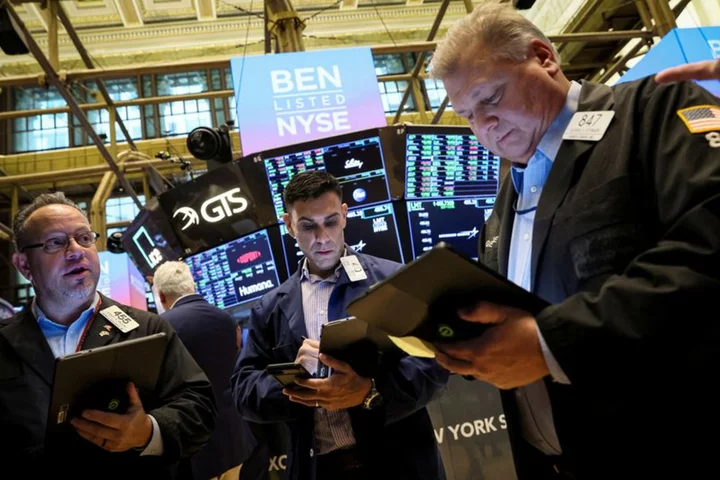
How US stocks rose 20% from their lows, and where they might be going
By Saqib Iqbal Ahmed NEW YORK U.S. stocks have defied fears of a recession, a banking crisis and
2023-06-09 13:30
You Might Like...

White House nominates Allvin as next Air Force chief
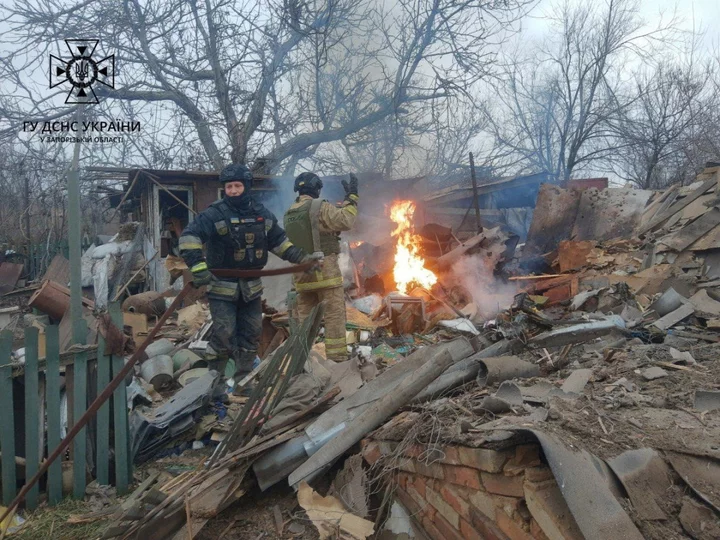
Russia-Ukraine war – live: Putin’s troops pushed back miles says Kyiv after major breakthrough on Dnipro River

Texans look to complete drives after settling for field goals in 21-19 loss to Falcons
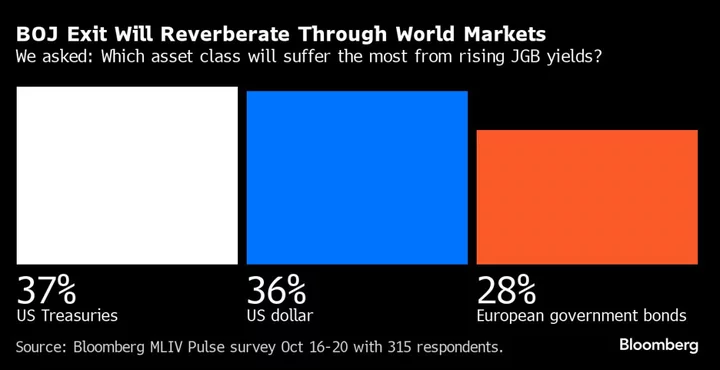
When Japan Ends Negative Rate Policy, Treasuries Will Suffer
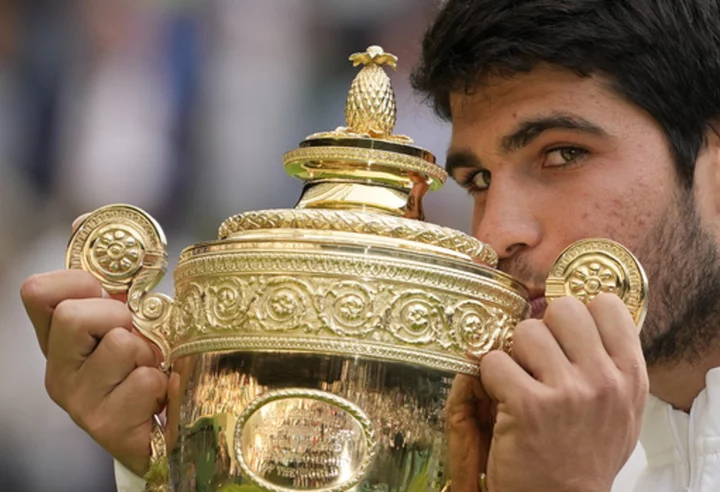
Analysis: Carlos Alcaraz's Wimbledon title shows he is exactly who everyone thought he was

Jodi Jones relishing chance to take on England after overcoming injury despair
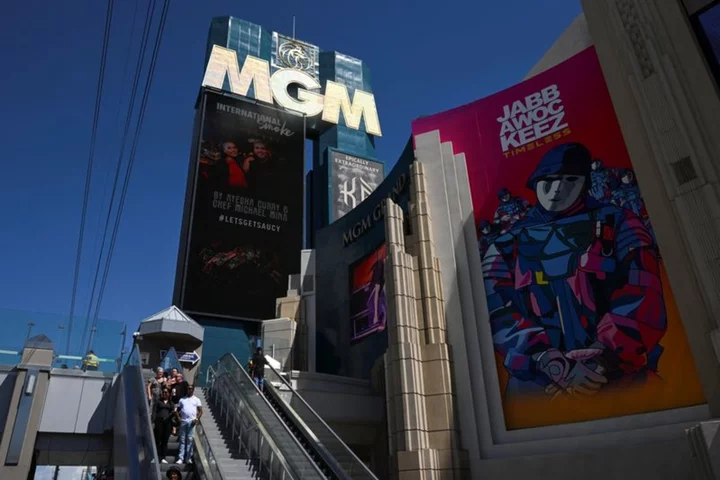
Hackers who breached casino giants MGM, Caesars also hit 3 other firms, Okta says

'Gangster' Jessel Taank keeps a secret list 'longer than CVS receipt' on her phone about 'RHONY' co-star Erin Lichy