

Intel in talks to be anchor investor in Arm IPO - source
Intel is in talks with SoftBank Group Corp's Arm to be an anchor investor in the chip maker's
2023-06-13 09:45

Blaze aboard ship docked at New Jersey port kills two firefighters
By Mike Segar NEWARK, NEW JERSEY (Reuters) -Two New Jersey firefighters were killed and five injured while battling an intense
2023-07-06 23:46

Rutgers rolls Northwestern 24-7, as Wildcats play 1st game since hazing scandal shook the program
Northwestern lost to Rutgers 24-7 in the football team's first game since a hazing scandal led to a coaching change, investigations and multiple lawsuits
2023-09-04 04:54

NBA suspends Memphis Grizzlies' star Ja Morant for 25 games without pay for 'conduct detrimental to the league'
Memphis Grizzlies star Ja Morant has been suspended for 25 games without pay by the NBA for "conduct detrimental to the league," the NBA announced Friday.
2023-06-17 00:20

Goldman Sees Australia and New Zealand Inflation Falling Below 3% in 2024
Goldman Sachs Group Inc. expects inflation in Australia and New Zealand to ease to “a bit below” 3%
2023-11-14 07:21

Options Delivers Seamless Access to Real-Time Aquis Market Data Feed
LONDON & NEW YORK & HONG KONG--(BUSINESS WIRE)--Jul 25, 2023--
2023-07-25 17:19

Vaccine skeptics dominate South Carolina pandemic preparation meeting as COVID-19 cases rise
Vaccine skeptics got a lot of airtime at a Tuesday meeting of South Carolina lawmakers considering how to best counter future pandemics
2023-09-13 05:26

Venezuela's oil sanctions relief may lift profits, no fast output rebound
By Marianna Parraga HOUSTON A broad easing of U.S. oil sanctions on Venezuela will not quickly expand its
2023-10-19 11:20
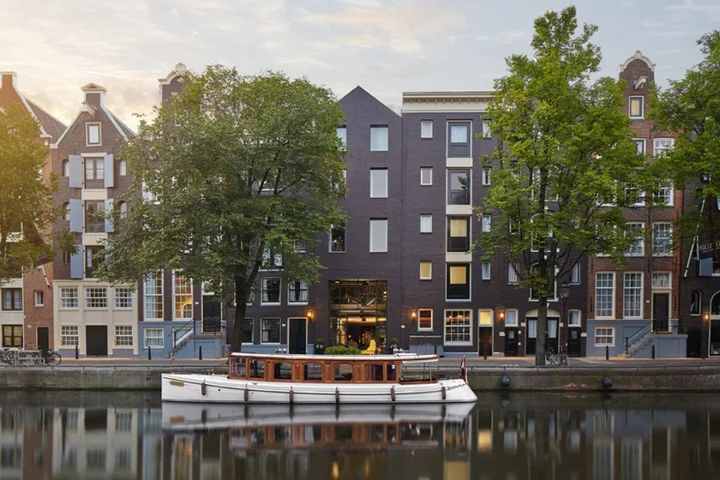
Pulitzer, Amsterdam hotel review: Luxury, local cuisine and decadence in this Dutch period piece
In a nutshell: In Amsterdam’s oldest five-star hotel, no two rooms are the same, restaurants serve up local cuisine, and a 1909 saloon boat offers tours of the city’s canals. The neighbourhood Amsterdam attracts visitors from all around the world thanks to its rich history, eclectic museums, bike lifestyle and coffee shop culture. The city is wonderfully walkable and the five-star Pulitzer hotel places you in prime location to explore all the Dutch capital has to offer. Looming over the canal belt and in the heart of the historic Nine Streets neighborhood (right out of a Wes Anderson movie), this quintessential district is brimming with boutique shops, charming cafes and enticing restaurants. Located five minutes down the canal, you’ll find Anne Frank’s house while the Museumplein (home to Rijksmuseum, the Van Gough museum and Moco), Amsterdam Centraal and Vondelpark are a mere 20 minute walk away. If you’re keen to cycle like a local, the hotel is equipped with Pulitzer bikes and the erudite concierge Ron Stoevelaar is on hand to show you the best routes. The look Set within 25 Golden Age canal houses, the Pulitzer forms an entire block in the Nine Streets area. Founded in 1970 by Peter Pulitzer (grandson of the Pulitzer Prize founder Joseph Pulitzer), the hotel went through a £1.5 million restoration in 2016. The hotel combines 17th century Dutch elements and mid-century design (think beamed ceilings, historic fireplaces, period antiques and an impressive collection of art, books and music) with contemporary features. Every nook (and there’s many) of the hotel offers a glance into the past – whether it’s in the library of Pulitzer Prize winning books, the lobby with Persian rugs and paintings or in the four luxury collectors suites. Exemplifying the old meeting the new, look out for what appears to be a 17th century painting of a floral bouquet in the lobby. A closer look will reveal it to be a photograph of melted cutlery by a contemporary artist. The vibe Oozing elegance and class, the Pulitzer’s architectually impressive buildings are enriched with antique pieces and Dutch design details. A beguiling space, the grand lobby has a buzzy atmosphere thanks to the laid-back Pulitzer Garden bar and eatery that are tucked away toward the back, while the check-in and concierge desks are warm and welcoming. Upon arrival, you’ll spy an eclectic clientele of 30-somethings talking over old fashioned cocktails at the bar, upmarket travellers in the mid-century armchairs, older couples chatting to the concierge and families feasting in the lobby’s Italian-inspired restaurant. Stepping out of the Pulitzer doors and onto the canal side, picturesque Amsterdam – without the chaos of the main streets – is on your doorstep (just try not to collide with any of the bikes swishing past). Bed and bath Despite being home to more than 200 rooms, the hotel has a cosy, boutique feel owing to the canal house layout and warren of mood-lit interlocking corridors (there’s much enjoyment to be had in getting lost in the Pulitzer). Each room is unique and inspired by an aspect of Dutch design. With themed-collectors suites, family size spaces and canal-view rooms – as well as generous, cosy and classic spaces available – there’s a room to suit every kind of traveller. Featuring decadent marble bathrooms (complete with luxury Debaser toiletries and well-pressured power showers), the rooms boast custom made headboards, a work desk with a mirror, mid-century drinks trolleys and chaise lounges. Thoughtful details such as bookshelves, a bike repair kit, an umbrella, French press and Dutch sweet treats all elevate the space, while windows either look out over the canal, the street below or the Pulitzer garden in the centre of the hotel. You can opt in or out of having your sheets changed each morning – the hotel reminds you of the importance of saving water – by placing a card on your bed. Food and drink There are two restaurants on site at the Pulitzer: the all-day dining eatery Jansz and the more laidback Pulitzer Garden restaurant. The former favours locally-sourced ingredients and classic Dutch cuisine, with the lunch and dinner line-up brimming with seasonal small plates, freshly caught fish dishes (the shrimp croquettes and octopus were a delight) and refined classics like burgers and steaks. Jansz is also where breakfast is served, with guests able to order a la carte (the omelette is a must) or try the continental buffet. Open for breakfast, lunch and dinner, the Pulitzer Garden has indoor and outdoor tables with a hearty menu inspired by Italian cuisine – think aubergine parmigiana, lobster spaghetti and chicken caesar salad. After dinner, be sure to head to the glamorous and deliciously moody Pulitzer Bar. Sink into the armchairs, sofas and bar stools to while away the evening with signature or classic cocktails (try the breakfast margarita and new Amsterdam). Public areas The neighbourhood-style complex includes the Jansz restaurant, Pulitzer Garden bar, restaurant and garden seating, the Pulitzer Bar and the resplendent lobby. Whether you’re a guest or not, the Pulitzer bar is a must-visit. Elegant and free from the havoc of city centre bars, the Art Deco-style bar looks over the canal and is the perfect spot for people watching. Open to guests, there’s also a 24-hour gym at the Pulitzer with machines, yoga mats, weights, towels and chilled water. When visiting the Pulitzer, you’ll notice two gleaming boats docked in front of the hotel. The Tourist (which famously took Winston Churchill on a trip through the city in 1946) and the smaller Belle are available for private and group tours for guests and the public at an extra cost. Built at the beginning of the 20th century, the interiors are complete with polished teak and brass, luxurious carpeting, marble, leather and original bevelled glass. Lasting 90 minutes, the concierge’s guided cruises take you on a whistlestop tour of the city’s canals – and there’s a self-service mini bar for on-board drinks. Nuts and bolts Room count: 225 Freebies: Breakfast at Jansz restaurant (if included in your booking); gym access; Pulitzer tote bag; Pulitzer card deck; welcome stroopwafels; coffee or tea in the room. Wifi: Free. Extra charges: Room service; additional beds for children; pets. Disability access: There are fully fitted accessible guest rooms available to reserve. Pet policy: A small dog or cat is allowed in rooms at a cost of €50 per day. Bottom line Best thing: Impeccable service, prime location for exploring the city, excellent restaurants and an intimate bar. Worst thing: Some might not get on with the thin doors and walls in the bedroom (it is an old building after all), meaning you can occasionally hear movement in the corridor. Plus, we would have liked to see slightly more reasonable prices in the otherwise more laidback Pulitzer Garden restaurant. Perfect for: Upmarket travellers, foodies, couples and families. Not right for: Those after a budget city break. Instagram from: The moody Pulitzer bar, canal-view room, The Tourist boat tour or Jansz window tables. Room rate: Double rooms from £351 a night. Read more of our hotel reviews: The elegant Landmark Hotel London Luxury hotel meets B&B at The Dante House The Ritz-Carlton, Abama hotel review Read more on Amsterdam travel: Amsterdam travel guide: Best things to do Best hotels in Amsterdam Everything British tourists shouldn’t do in Amsterdam Read More Independent Traveller guide to best hotels and short breaks Best UK hotels 2022 Best hotels in Paris for 2023 Amsterdam travel guide: Best things to do and where to stay for a 2023 city break The best holidays to book for November, from winter sun in Oman to Scandi Christmas markets Best hotels in Europe 2023: Where to stay for a city, beach or retreat break
2023-10-24 04:48

Saudi Net Reserves Fall to $410 billion, Lowest Since 2010
Saudi Arabia’s net foreign assets fell to 1.538 trillion riyals ($410 billion) in April, the lowest since January
2023-05-29 00:55

Youngkin administration says unknown number of eligible voters were wrongly removed from rolls
Gov. Glenn Youngkin’s administration says it is working to fix an error that caused an unknown number of eligible Virginians to be removed from the voter rolls
2023-10-04 23:52

Tupperware shares soar on agreement with lenders to restructure debt
Tupperware Brands said on Thursday it has finalized an agreement with its lenders to restructure its debt obligations
2023-08-04 05:50
You Might Like...

El Chapo's son extradited from Mexico to the US, Justice Department says

Spain visit Georgia in shadow of Rubiales scandal

UN climate agency picks Argentina's Saulo as first woman leader

Solar airship targets first non-stop round-the-world flight without fossil fuels

American Airlines, JetBlue to halt codeshare flights starting July 21

South Korea floods: Tunnel horror strikes fear of monsoon

Crisis-mired Germany to blow through debt limit in 2023

Colombia detains 4 in kidnapping of footballer's father