
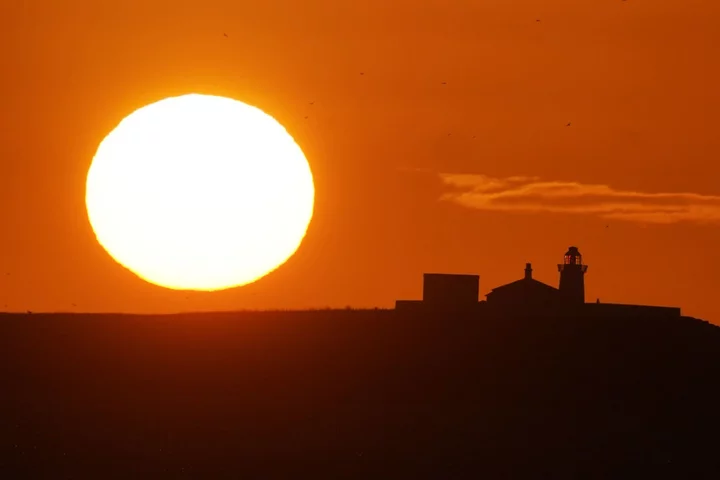
Earth was hit by largest ever solar storm that would devastate civilisation today, tree rings show
Earth was once hit by an extreme solar storm that would devastate human civilisation if it happened today, tree rings show. Scientists were able to piece together the solar storm from ancient tree rings that were found in the French alps, and showed evidence of a dramatic spike in radiocarbon levels some 14,300 years ago. That spike was the result of a massive solar storm, the biggest ever found by scientists. If a similar event happened today, it could knock the power grid offline for months and destroy the infrastructure we rely on for communications, scientists have warned. The researchers behind the new study have urged that the extreme nature of the newly discovered event should be a warning for the future. “Extreme solar storms could have huge impacts on Earth. Such super storms could permanently damage the transformers in our electricity grids, resulting in huge and widespread blackouts lasting months,” said Tim Heaton, professor of applied statistics in the School of Mathematics at the University of Leeds. “They could also result in permanent damage to the satellites that we all rely on for navigation and telecommunication, leaving them unusable. They would also create severe radiation risks to astronauts.” Further work is needed to ensure that the world is protected from similar events happening again, scientists said. And more research is required to actually understand how and why they might happen. Scientists have found nine extreme solar storms, or Miayake Events, that happened in the last 15,000 years. The most recent of them happened in the years 993 AD and 774 AD, but the newly found one was twice as powerful as those. Researchers do not know exactly what happened during those Miyake Events, and studying them is difficult because they can only be understood indirectly. That makes it difficult for scientists to know how and when they might happen again, or if it is even possible to predict them. “Direct instrumental measurements of solar activity only began in the 17th century with the counting of sunspots,” said Edouard Bard, professor of climate and ocean evolution at the Collège de France and CEREGE. “Nowadays, we also obtain detailed records using ground-based observatories, space probes, and satellites. “However, all these short-term instrumental records are insufficient for a complete understanding of the Sun. Radiocarbon measured in tree-rings, used alongside beryllium in polar ice cores, provide the best way to understand the Sun’s behaviour further back into the past.”  The largest solar storm that scientists were able to actually observe and study happened in 1859, and is known as the Carrington Event. It caused vast disruption to society, destroying telegraph machines and creating a bright aurora so bright that birds behaved as if the Sun was rising. The Miayake Events like the newly found storm would have been vastly more powerful, however. They were discovered by slicing ancient trees that are becoming fossils into tiny rings, and then analysing the radiocarbon that was present in them. Their work is published in a new article, ‘A radiocarbon spike at 14,300 cal yr BP in subfossil trees provides the impulse response function of the global carbon cycle during the Late Glacial’, in the journal The Royal Society’s Philosophical Transactions A: Mathematical, Physical and Engineering Sciences.
2023-10-10 01:18
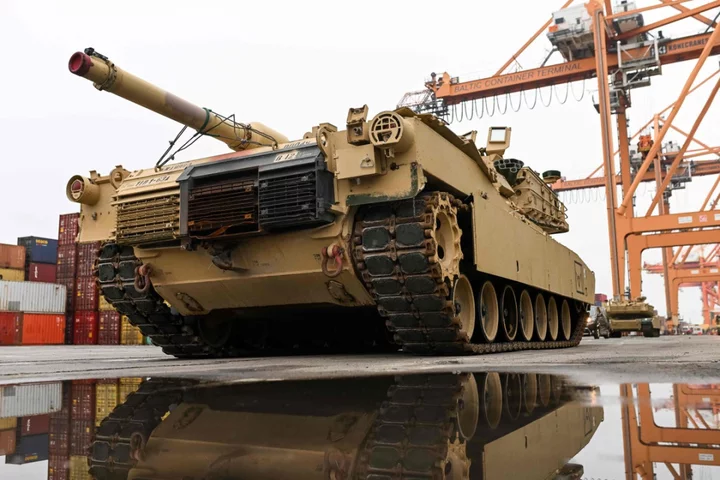
What are Abrams tanks and why is the US sending them to Ukraine?
The US has pledged to send 31 of its M1 Abram battle tanks, worth an estimated $400m, to Ukraine to help the resistance fight back against the Russian onslaught as the one-year anniversary of Vladimir Putin’s invasion approaches. Anatoly Antonov, Russia’s ambassador to the US, said the decision by Joe Biden’s administration amounted to “another blatant provocation” against Moscow, pledged that the tanks would be destroyed and warned the West it would come to regret the “delusion” that Ukraine could ever win the day. Russian state TV has since made a point of mocking the Abrams as “battered” and prone to getting stuck in a segment downplaying the threat the new additions to Kyiv’s arsenal pose. Ukraine’s president Volodymyr Zelensky has said he believes tanks are crucial to replenish his nation’s military hardware ahead of what he says will be increased Russian offences in the spring, with intense fighting already seen in eastern Ukraine for weeks. Kyiv also wants them to boost its bid to recapture territory taken by Moscow’s forces earlier in the conflict. Germany has dithered on the question of whether to answer Mr Zelensky’s appeal for tanks but has since agreed to send Leopard 2 models, with Poland, Canada, Norway and Spain now looking set to follow suit. When it comes to the M1s, experts have warned of the complex logistics involved in getting these high-tech vehicles to the battlefield. The extensive and tricky maintenance required for their use mean that it could be some time before they appear on the frontlines in Eastern Europe. The first M1 tank was manufactured by American armoured vehicle manufacturer General Dynamics Land Systems in 1978 and was first delivered to the US Army in 1980. Each model costs around $10m to make, according to Reuters. It has to be crewed by a team of four (driver, commander, loader and gunner), has a maximum speed of 42 miles per hour, has a maximum range of 624 miles and runs on a 1,500 horsepower gas turbine engine. The M1 is armed with an M256 120mm smoothbore cannon, as well as two machine guns: a 12.7mm and a 7.62mm M240. Defence industry expert Sydney Freedberg described them as “big vehicles, heavily armoured” to Al Jazeera, adding that they are “much better protected than anything the Soviets built, or anything the Russians currently have.” He also cautioned that they have been used far less often in Europe than the Leopard and could end up posing the Ukrainians problems, given that they require additional training and will need spare parts, warehousing and a high degree of care. “It guzzles fuel and the engine is difficult to repair and maintain,” Jack Watling, a senior research fellow for land warfare at the Royal United Services Institute, has also warned. More positive about their potential impact – while still favouring the Leopards over all – was retired US army general Mark Hertling, who commanded the 1st Armored Division in Iraq during the troop surge of 2007 to 2008, and who said in a Twitter thread: “The M1-series, in my view, is the best in the world.” He too stressed that training was “critical”, adding: “Having fired T-72s, Chieftains, Challengers, Leo IIs & Abrams, the M1 requires the most turret training.” Read More Ukraine-Russia news – live: Putin ‘shifting war to focus on Nato and West’ Russian shells kill 10 in Ukraine as Putin’s forces seek gains before Western tanks arrive Who is sending tanks to Ukraine?
2023-09-22 14:55

Hibernation mode: 5 small self-care adjustments to make before the clocks change
With the clocks going back on October 29, longer, darker nights are imminent – and many of us may be nervous about how this could impact our wellbeing. But, there are some little acts of self-care that could help. Here’s how to switch up your self-care routine as the clocks change… 1. Spend more time outdoorsIt may be getting colder, but time outside could be the best thing for you to protect your emotional welfare as the shorter days draw in. “When the clocks change, the internal body clock, our circadian rhythm, has to reset and it can become out of sync with our standard night-and-day cycle. It can take a few days for our body to adjust to the new sleep pattern, which can affect our hormones and temperature,” explains Dr Harriet Leyland, clinical advisor at myGP. To mitigate this, “spend more time outdoors”, she suggests. “Sunlight can alleviate drowsiness as it limits the release of melatonin, a hormone that induces tiredness and gets you ready for bed.” Jodie Relf, a Pilates instructor and registered dietitian from myOva, suggests making this part of your daytime routine. “[Getting outside] can be more challenging once the clocks have changed, it’s often dark for many of us both going to and returning from work. Therefore trying to get outside during the day, at lunchtime, perhaps, can be beneficial in the winter months,” says Relf. 2. Think about your body temperatureYou may be feeling the cold outside, but we don’t want to overheat indoors – especially at bedtime. “We sleep better in a cooler environment, with the ideal bedroom temperature reported to be a cool 16-17C,” says Dr Guy Meadows, co-founder and clinical lead at Sleep School. “For best sleep, switch off the central heating and swap your lightweight summer duvet for a higher tog winter one. Alternatively, use a combination of sheets, quilts and blankets, as this allows you to more easily regulate your temperature at night for better sleep.” 3. Prepare for good sleepIf you always struggle with sleep when the clocks change, give yourself a helping hand by being prepared. “Gradually adjust your bedtime in the few days leading up to the clocks changing – go to bed 15-30 minutes earlier each night for a few nights in the lead-up,” suggests Meadows, explaining this will help with the body-clock switch. 4. Eat a colourful plate While you may just want stodgy comfort food to warm the chillier evenings, eating well is one of the best ways to support your overall wellbeing – aiding energy, immunity, mood and sleep. “Eat a balanced diet with a colourful variety of plant foods including fruits, vegetables and whole grains, as well as lean protein,” explains Dana Moinian, a psychotherapist at The Soke. “Avoid heavy or high-sugar meals close to bedtime.” 5. See friends While social plans may have wound down compared with summer, hibernating and distancing yourself too much could be damaging to your wellbeing. “Spend time with friends and loved ones,” says Moinian. “Socialising naturally boosts your mood and reduces stress levels.” So get the diary out and plan in some fun outings and get-togethers! Read More 13 possible cancer symptoms you should get checked out Neglecting women’s health at work could cost UK economy £20.2bn a year – analysis Nearly three-quarters of mothers feel invisible, study suggests The best ways to work-out in 22 minutes – as study finds this is magic number for offsetting ‘negative impact of sitting’ What crops will we be growing in the future, as climate change alters the landscape? As Rebecca Adlington shares heart-breaking miscarriage news: How to support others experiencing baby loss
2023-10-26 14:24

Israel's president will meet with Biden as concerns over settlements, judicial overhaul continue
President Joe Biden on Tuesday is hosting Israel’s figurehead president Isaac Herzog at the White House
2023-07-18 12:15
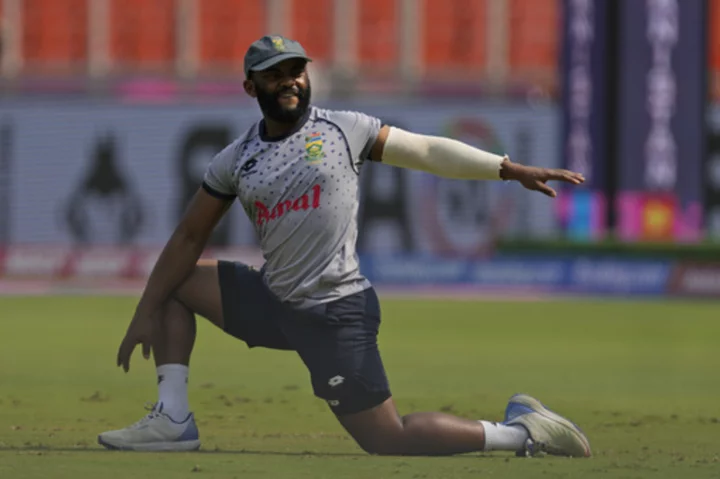
Chasing an improbable win, Afghanistan bats first against South Africa at the Cricket World Cup
Hashmatullah Shahidi has won the toss and elected to bat first as Afghanistan sets out to inflict an improbably massive win over South Africa in a bid to reach the Cricket World Cup semifinals
2023-11-10 16:48

Freudenberg Medical Utilizes VR Training in Catheter Manufacturing
BEVERLY, Mass.--(BUSINESS WIRE)--Jun 1, 2023--
2023-06-01 18:21

TDCX expands into Brazil as it continues its global expansion
SÃO PAULO & SINGAPORE--(BUSINESS WIRE)--May 17, 2023--
2023-05-18 09:20
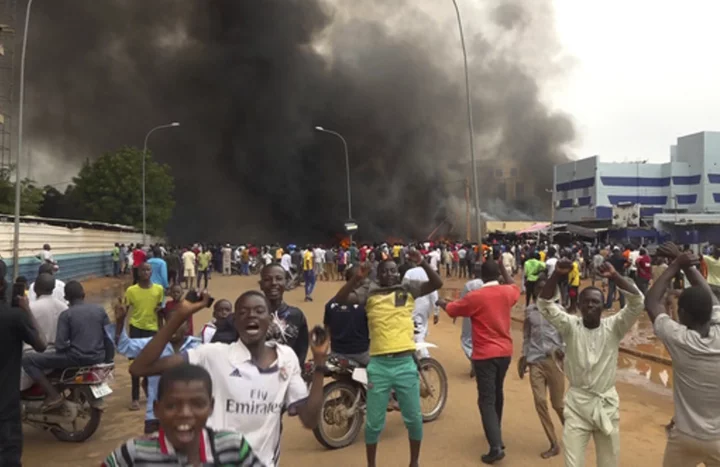
Niger's civil society mobilizes the nation to fight for freedom from foreign interference
Niger’s ruling junta and civil society groups are calling on the nation to mobilize in the capital to fight for the country’s freedom and push back against foreign interference
2023-08-03 14:59

EU seeks to put brakes on China without hurting ties
When the EU launched an investigation into Chinese electric car subsidies, Brussels wanted the world to know that it will protect the automotive sector that is the jewel in Europe's...
2023-09-22 11:49

Major wildfires sweeping through forests in Greece force evacuations near Athens and the northeast
Major wildfires burning for days in northeastern Greece and on the fringes of the country's capital have incinerated more tracts of forest and forced additional evacuations Thursday as firefighters struggled against strong winds and arid conditions to bring the multiple fronts under control. The wildfires have left 20 people dead over the last week. Eighteen of those, including two boys aged between 10 and 15, are believed to be migrants who crossed the nearby border with Turkey. Their bodies were found by firefighters near a shack in a burnt forest area in northeastern Greece. Sixty firefighters have been injured battling the flames, fire department spokesman Ioannis Artopios said Thursday. Elsewhere in Europe, fires on Tenerife in Spain’s Canary Islands, northwestern Turkey near the border with Greece, Portugal and Italy were being brought under control, officials said. In Greece, dozens of firefighting aircraft, including from other European countries, assisted hundreds crews on the ground trying to beat back multiple fires raging across the country. On Wednesday alone, firefighters battled 99 separate blazes across the country, authorities said. In Greece’s northeast, a major fire in the Alexandroupolis area that forced numerous evacuations, including of the city’s general hospital, was burning for a sixth day with few signs of abating. According to the European Union’s Copernicus Emergency Management Service, the Alexandroupolis fire had scorched more than 723 square kilometers (280 square miles) by Wednesday, making it one of the largest on European soil in several years. Copernicus is the EU space program’s Earth observation component and uses satellite imagery to provide mapping data. On the outskirts of Athens, a major fire that destroyed homes in the foothills of Mount Parnitha on Wednesday was racing across the mountain’s forested slopes and threatened the heart of a national park that's one of the last wooded areas near the Greek capital. Evacuation orders were issued for several outlying suburbs overnight into Thursday, while other neighborhoods were put on standby for possible evacuation. With firefighting forces stretched to the limit, Greece has asked other European countries for assistance. Germany, Sweden, Croatia and Cyprus have sent aircraft, while dozens of Romanian, French, Czech, Bulgarian and Albanian firefighters have been helping on the ground. Artopios, the Greek fire department spokesman, said 260 firefighters, including more than a dozen from France, were battling the Parnitha fire supported by a multinational force of 10 planes and 11 helicopters. Bulgarian, Albanian, Romanian and Czech firefighters with vehicles were helping in the Alexandroupolis fire. With their hot, dry summers, southern European countries are particularly prone to wildfires. European Union officials have blamed climate change for the increasing frequency and intensity of wildfires in Europe, noting that 2022 was the second-worst year for wildfire damage on record after 2017. Gale-force winds combined with hot, dry weather to whip up the flames over the past week in Greece, making the blazes exceptionally difficult to bring under control. Weather conditions this summer have been “the worst since meteorological data have been gathered and the fire risk map has been issued in the country,” Greece’s Climate Crisis and Civil Protection Minister Vassilis Kikilias said Wednesday. Extensive parts of the country have been placed at Level 5 - the highest for fire risk - seven times this year. Kikilias said that was double the number of 2021, four times that of 2019 and seven times more than in 2012. In Spain’s Tenerife, a fire that has scorched 150 square kilometers (58 square miles) was being brought under control by Wednesday night. “It’s a very tough battle that the firefighting teams are winning,” Canary regional government counselor Manuel Miranda said Wednesday evening. In Turkey, firefighters in the northwestern Canakkale province on Thursday brought a wildfire under control less than 48 hours after it erupted amid high temperatures and strong winds, Turkish Forestry Minister Ibrahim Yumakli said. Yumakli said the fire, which had forced the evacuation of 11 villages, had affected 40 square kilometers (15 square miles) including 14 square kilometers (5.4 square miles) of agricultural land. A firefighting volunteer who was injured and six other people who suffered from smoke inhalation were being kept under observation in hospitals, Yumakli said. “We are extremely happy that there was no loss of life,” Yamukli said. “However, we are heartbroken for other creatures of the ecosystem that were affected.” Shipping traffic through the Dardanelles Strait, a major maritime thoroughfare linking the Aegean Sea with the Sea of Marmara, was being partially restored to one lane only, after being completely suspended as fire-dousing aircraft use the waterway to pick up water. Yumakli said another fire in central Turkey has also been brought under control and there were no other active wildfires in the country on Thursday. Two large fires in Portugal and a smaller one in Italy were brought under control by Thursday, those countries' authorities said, but temperatures - and the risk of new fires - remained high. ____ Suzan Fraser in Ankara, Turkey, Barry Hatton in Lisbon, Portugal and Colleen Barry in Milan contributed to this report. Read More Ukraine war’s heaviest fight rages in east - follow live Charity boss speaks out over ‘traumatic’ encounter with royal aide From Europe to Canada to Hawaii, photos capture destructive power of wildfires Tropical storm hits Caribbean, wildfires rage in Greece. What to know about extreme weather now ‘Frustrated’ British Museum boss says dealer did not mention more missing items
2023-08-24 18:25
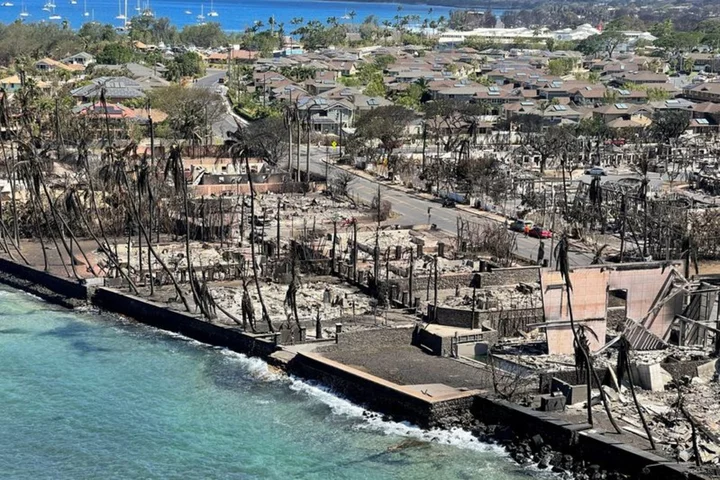
Biden heading to Maui to console wildfire survivors
By Steve Holland SOUTH LAKE TAHOE, California (Reuters) -U.S. President Joe Biden's duty as consoler in chief will be put
2023-08-21 22:28

Lions' LB Anzalone shares hug with parents who returned home safely from Israel
Lions linebacker Alex Anzalone’s best moment Sunday came when he hugged his parents after Detroit's 20-6 win over the Tampa Bay Buccaneers
2023-10-16 10:22
You Might Like...
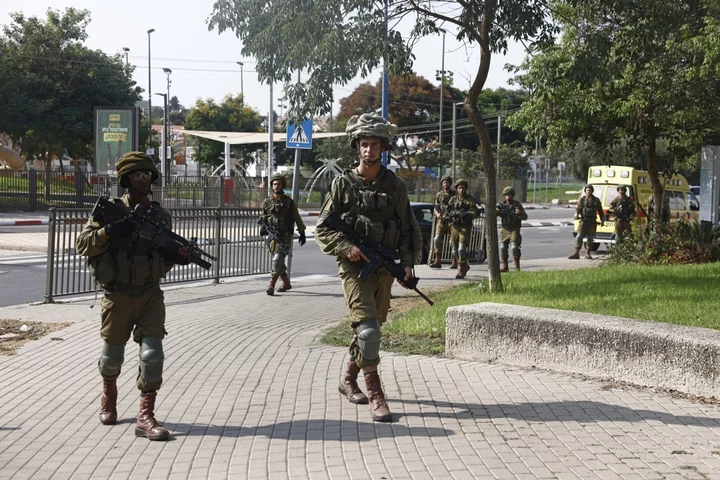
Dollar Rises as Traders Seek Havens After Hamas Attack in Israel
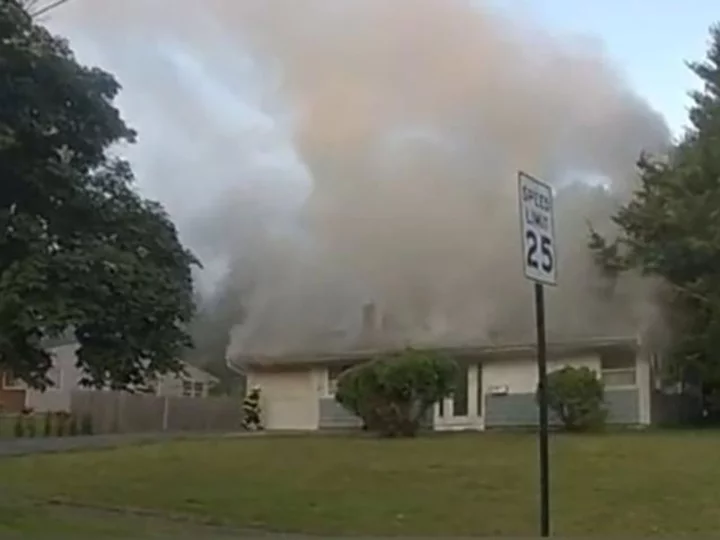
An 85-year-old man and a passerby detected a fire at a New Jersey home and teamed up to wake the sleeping family inside

Browns Screwed By Referee Calling Amari Cooper Out of Bounds on Obvious Touchdown
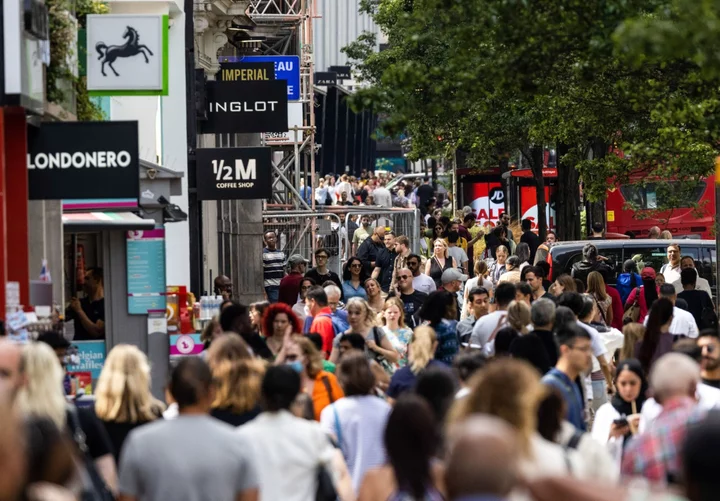
UK’s Hot June Delivers Unexpected Boost for Retail Sales

Another top official leaves a super PAC backing Ron DeSantis' campaign

Iran has a direct route to send Russia weapons -- and Western powers can do little to stop the shipments

Matt Gaetz got what he wanted. Now what?
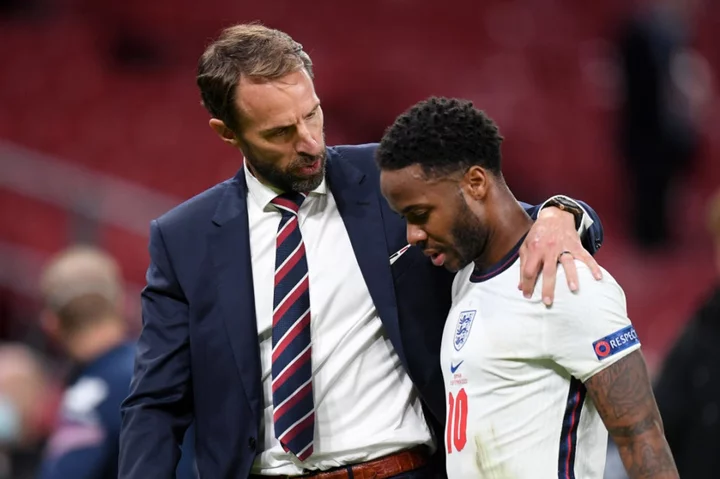
Raheem Sterling may have no way back as Gareth Southgate shows his hard edge