
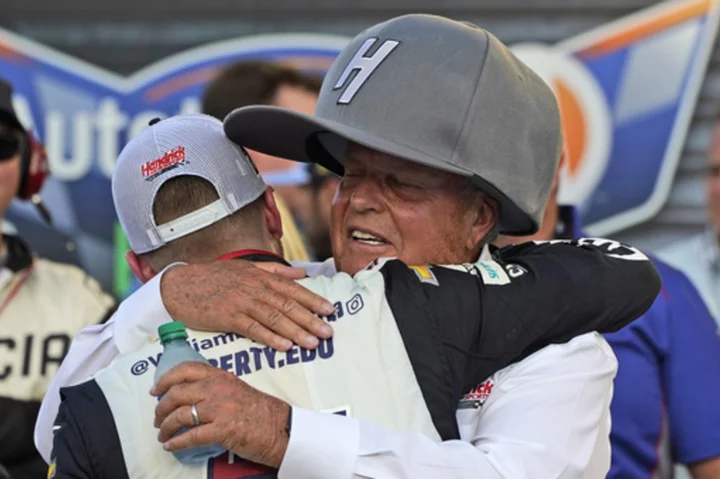
Byron gets milestone win for Hendrick and moves closer to chance to race for team's next Cup title
William Byron grew up a huge fan of Hendrick Motorsports when watching Jimmie Johnson win championships
2023-09-26 01:22
Berkshire Hathaway stock scales record as operating profit tops $10 billion
By Jonathan Stempel Berkshire Hathaway's stock price set a record high on Monday, rising more than 2%, after
2023-08-07 23:15
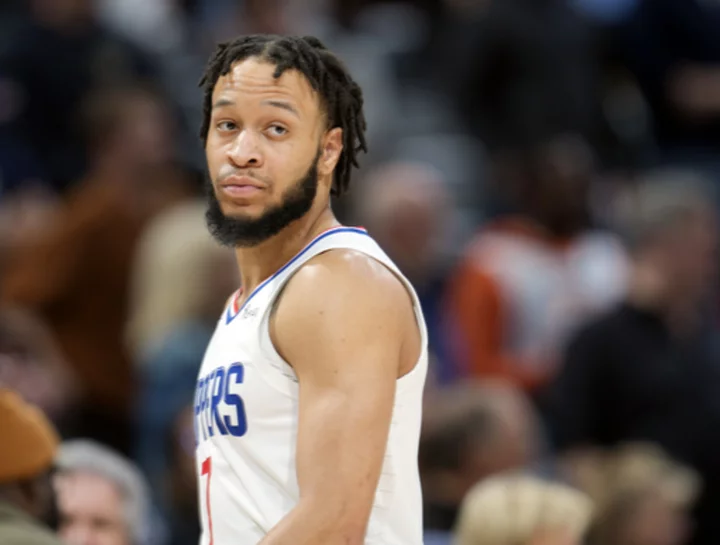
Clippers' Amir Coffey arrested on suspicion of carrying a concealed firearm in a vehicle, police say
Los Angeles Clippers shooting guard Amir Coffey was arrested on a firearms misdemeanor in Hollywood
2023-08-01 07:53
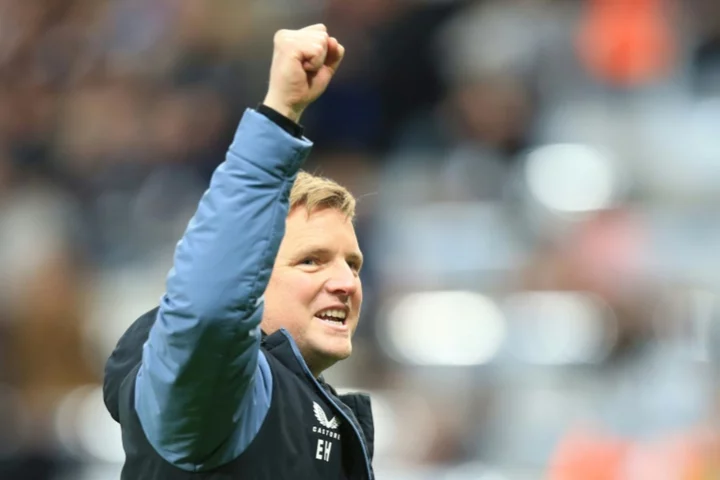
Howe admits fresh pressure after Newcastle's stellar season
Eddie Howe says Newcastle have "massively over-achieved" this season and will have to cope with soaring expectations...
2023-05-26 19:51

Trump can’t decide if he had a ‘good’ or ‘sad’ day at 2020 election arraignment
Donald Trump couldn’t seem to decide whether he had a “good day” or a “sad day” as he was arrested and arraigned on four criminal charges over his attempts to overthrow the 2020 presidential election. The former president appeared in court in Washington DC on Thursday afternoon, where he pleaded not guilty to all charges in what now marks his third criminal case. Following the arraignment, he returned to his Bedminster estate and took to Truth Social where, he claimed – in a full-caps late-night rant – that he had a “very good day”. “CONSIDERING THE FACT THAT I HAD TO FLY TO A FILTHY, DIRTY, FALLING APART, & VERY UNSAFE WASHINGTON, D.C., TODAY, & THAT I WAS THEN ARRESTED BY MY POLITICAL OPPONENT, WHO IS LOSING BADLY TO ME IN THE POLLS, CROOKED JOE BIDEN, IT WAS A VERY GOOD DAY!” he wrote on Truth Social. However, this positive outlook appears to jar with the mood he displayed on the tarmac as he jetted out of DC on his private plane – not to mention the mood sources said he displayed behind the scenes. “This is a very sad day for America,” Mr Trump told reporters as he embarked Trump Force One to head back to his Bedminster club. “It was also very sad driving through Washington DC and seeing the filth and the decay and all of the broken buildings and walls and the graffiti. “This is not the place that I left. It’s a very sad thing to see it.” His comments on Washington DC’s apparent deterioration came after Mr Trump left the capital in January 2021 as it was reeling from the January 6 Capitol riots – an attack which came out of the false claims he spread of 2020 election fraud. Meanwhile, sources behind the scenes of Thursday’s hearing revealed a somewhat “dejected” mood. The former president was said to be “irked” that US District Judge Moxila Upadhyaya had referred to him as “Mr Trump” and not “Mr President” during his court appearance. “I’m learning tonight that Trump left here in a sour and dejected mood,” said CNN host Kaitlan Collins. “He was, quote, ‘pissed off,’ according to someone who spoke to him.” She added: “I am told that the former president, one thing that irked him particularly, was during that hearing today that lasted about 27 minutes, was when the magistrate judge referred to him as simply ‘Mr Trump.’” Mr Trump’s alleged annoyance comes as the staff at his Mar-a-Lago and Bedminster estates typically still refer to him as “President Trump” – despite leaving the White House over two years ago. “That may not sound odd to anyone else, but he is still referred to by his former title ‘President Trump’ when he’s at his Bedminster golf club in New Jersey, as he is tonight, or at Mar-a-Lago,” revealed Ms Collins. Instead of being waited on by his staff and called “Mr President”, Mr Trump was forced to endure a court appearance similar to that of many criminal defendants. He had to wait around 15 minutes for the judge to arrive and came face to face with prosecutors pursuing charges against him – at one point having something of a stare off with special counsel Jack Smith in the courtroom. However, in other ways his treatment was different – as he did not have his mugshot taken and was not placed in handcuffs. Mr Trump surrendered to authorities and was arrested on four federal charges of conspiracy to defraud the United States, conspiracy to obstruct an official proceeding, obstruction of and attempt to obstruct an official proceeding, and conspiracy against rights. He then appeared for his arraignment at the E Barrett Prettyman Federal Courthouse where he stared down special counsel Jack Smith before pleading not guilty to all charges. The former president is accused of conspiring with his allies to overturn the 2020 election, in a bid to sabotage the vote of the American people. A grand jury, which has spent months hearing evidence in special counsel Jack Smith’s investigation, returned a federal indictment on Tuesday hitting him with four federal charges. The Justice Department alleges that Mr Trump and his circle of co-conspirators knew that he had lost the election but launched a multi-prong conspiracy to do everything they could to enable him to cling to power. This included spreading “knowingly false claims of election fraud to get state legislators and election officials to subvert the legitimate election results and change electoral votes for the Defendant’s opponent, Joseph R. Biden, Jr., to electoral votes for the Defendant”, the indictment states. Mr Trump and his allies also allegedly plotted to send slates of fake electors to seven “targeted states” of Arizona, Georgia, Michigan, Nevada, New Mexico, Pennsylvania and Wisconsin which President Joe Biden had won – to get them to falsely certify the election for Mr Trump. The indictment also alleges Mr Trump tried to use the DOJ to “conduct sham election crime investigations”, sending letters to the seven states claiming that “significant concerns” had been found in the elections in those states. As well as the false claims about the election being stolen from Mr Trump, the scheme also involved pushing false claims that Vice President Mike Pence had the power to alter the results – and pushing Mr Pence to “fraudulently alter the election results”. When Mr Trump’s supporters stormed the US Capitol in a violent attack that ended with five deaths, Mr Trump and his co-conspirators “exploited” the incident by “redoubling efforts to levy false claims of election fraud and convince Members of Congress to further delay the certification based on those claims,” the indictment claims. At a press conference on Tuesday, Mr Smith placed the blame for the January 6 attack on the US Capitol firmly on Mr Trump’s shoulders. “The attack on our nation’s capitol on January 6, 2021, was an unprecedented assault on the seat of American democracy,” he said. “As described in the indictment, it was fueled by lies. Lies by the defendant targeted at obstructing a bedrock function of the US government – the nation’s process of collecting, counting and certifying the results of the presidential election.” The indictment marks Mr Trump’s second federal indictment, his third criminal indictment overall – and potentially his most serious. While the former president is the only person charged in the case, the indictment also refers to six co-conspirators who worked with him to try to overturn the 2020 presidential election. The six individuals – four attorneys, one Justice Department official and one political consultant – have not been named in the charging documents because they have not yet been charged with any crimes. However, based on the details in the indictment and records already known about the events leading up to the Capitol riot, the identities are apparent as Rudy Giuliani, Sidney Powell, John Eastman, Jeffrey Clark, Kenneth Chesebro and Boris Epshteyn. This marks Mr Trump’s third indictment after he was hit with New York state charges following an investigation into hush money payments made prior to the 2016 election and then separate federal charges over his alleged mishandling of classified documents on leaving office. He has pleaded not guilty in both of those charges as well. Read More Live updates: Trump pleads not guilty at arraignment in 2020 election case Meet Jack Smith: The special prosecutor who could take down Trump Trump appears to stumble over his name and age at arraignment Watch: Donald Trump’s motorcade blocked by herd of goats Chairman of UK Republican group wishes Donald Trump would not run for president Will Trump’s alleged co-conspirators in the Jan 6 indictment turn on him?
2023-08-04 21:26

Death toll from Kenya floods almost doubles to 120
The death toll from floods that have devastated many parts of Kenya has almost doubled to 120, a government...
2023-11-29 09:23

Fourth seed Rune crashes out of US Open to Carballes Baena
Danish fourth seed Holger Rune crashed out of the US Open on Monday, losing in four sets to Spanish...
2023-08-29 05:27

Score Apple AirPods Pro for a record-low price, plus more Prime Day AirPods deals
UPDATE: Oct. 10, 2023, 3:52 p.m. EDT This story has been updated with the latest
2023-10-11 04:15

Verstappen wins Austrian Grand Prix to complete 'classy' Spielberg sweep
Defending champion Max Verstappen continued his relentless charge towards a third world title on Sunday when he claimed a record fourth Austrian Grand...
2023-07-02 23:59
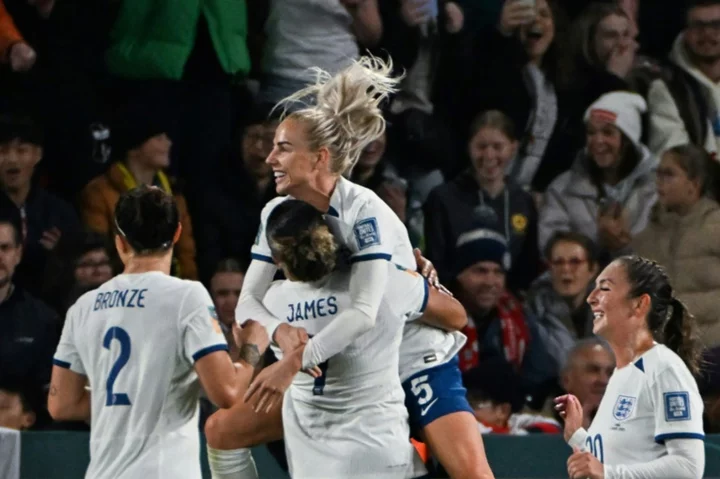
England face tricky Nigeria test as World Cup quarter-finals beckon
The United States' exit gives England a golden opportunity to win the Women's World Cup but they face a tricky encounter with Nigeria on Monday in the last...
2023-08-07 14:18
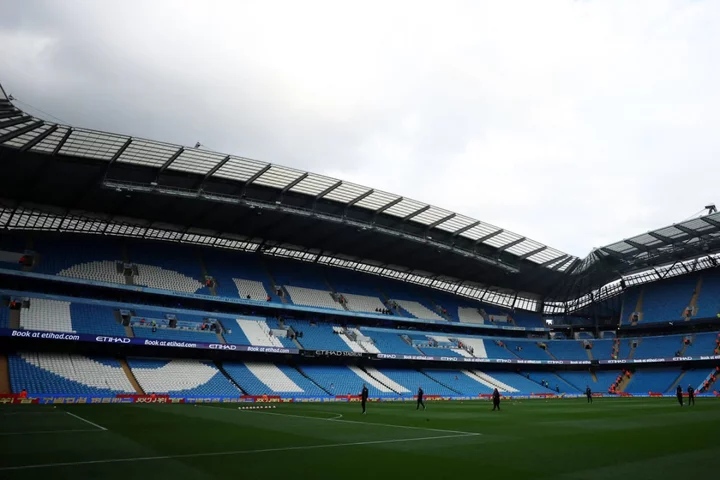
Man City vs Newcastle LIVE: Premier League team news and latest updates today
Fresh off an opening-day win over Burnley and a hard-fought midweek Super Cup triumph over Sevilla, Manchester City face an early test of their title credentials by welcoming Newcastle United to the Etihad Stadium this evening. City were pushed all the way by Sevilla on Wednesday night before eventually winning on penalties but it was additional stress they probably could have done without and Newcastle may sense an opportunity, especially with the injuries City are facing – talisman Kevin De Bruyne set to spend months on the sidelines with a hamstring concern, while the likes of John Stones, Ruben Dias and Bernardo Silva are all either confirmed out or doubts. Meanwhile, the Magpies will be full of confidence after brilliantly beating Aston Villa 5-1 on the opening day to suggest that they’re ready to build on last season’s top-four finish. A result at the Etihad would certainly be a statement from Eddie Howe’s men but they might just fancy catching City at an opportune moment, even though they’ll be led in attack by the irrepressible Erling Haaland. Follow the action from the Premier League match below. Read More Manchester City would be ‘killed’ if we spent like Chelsea have – Pep Guardiola Lewis Hall set to join Newcastle after agreement reached with Chelsea Manchester City’s Super Cup victory shows that Cole Palmer is a gem to be treasured
2023-08-20 01:47
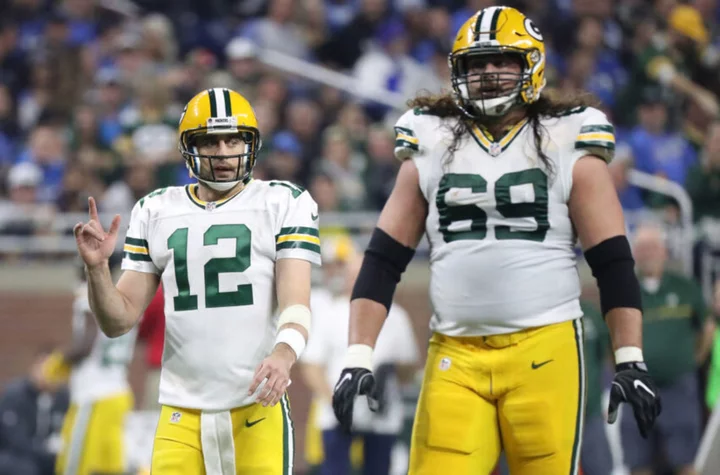
Longtime Packers player was ready to say goodbye to Aaron Rodgers
Packers longtime tackle David Bakhtiari opened up on Aaron Rodgers' recent departure and why it doesn't surprise him.Green Bay Packers offensive tackle David Bakhtiari has been Aaron Rodgers' left-hand man for the last decade, but in 2023, he won't be. If you ask him, he'...
2023-06-07 06:16
You Might Like...
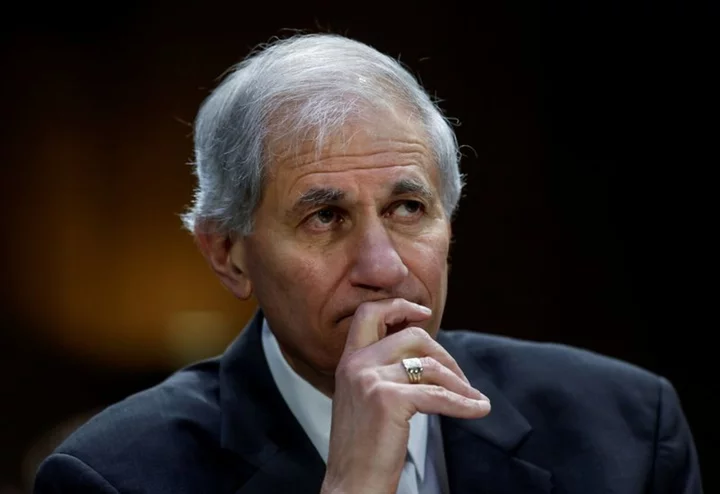
US Federal Deposit Insurance Corp to propose 'comprehensive' changes to regional bank living wills

German beer sales resume their downward trend after a post-COVID pickup
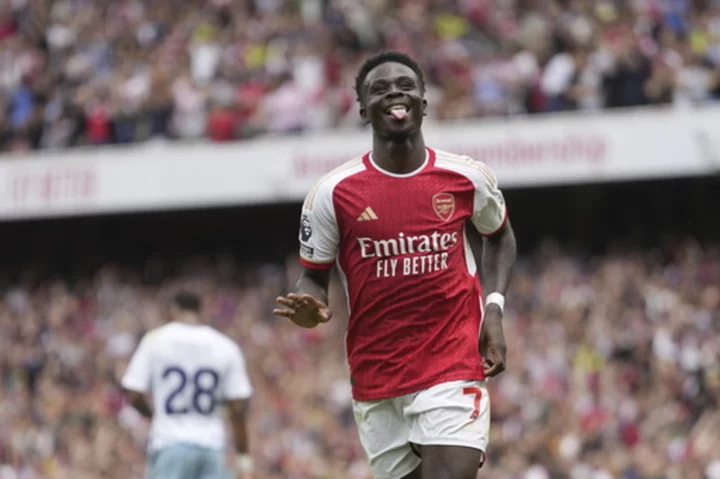
Saka sparkles as Arsenal opens EPL season with win. Brighton routs newcomer Luton
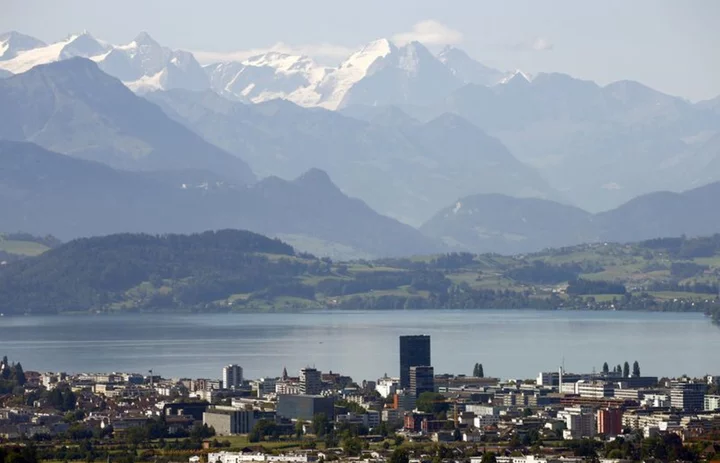
Swiss voters approve global minimum corporate tax, climate goals
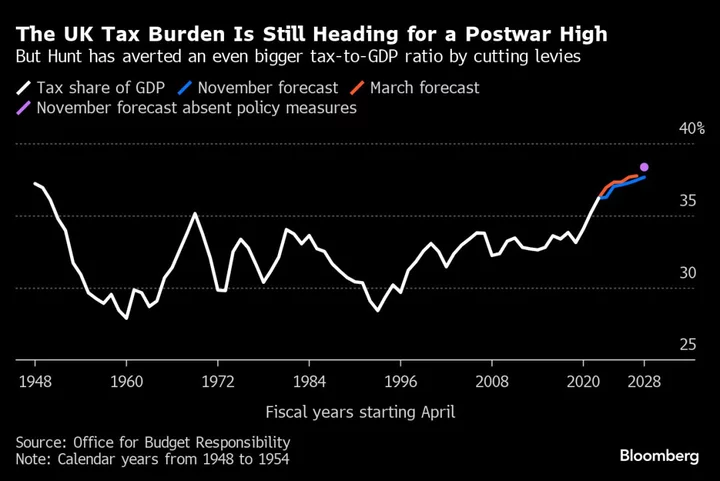
Sunak Eyes More Tax Cuts in Spring as He Weighs UK Election Date
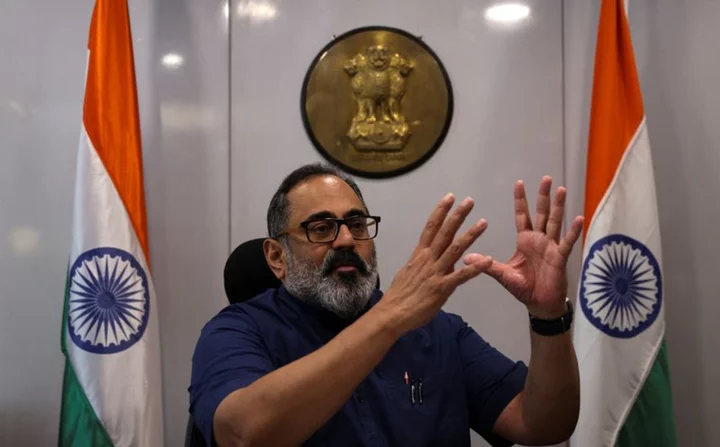
Exclusive-India's govt plans action against Google after antitrust breaches
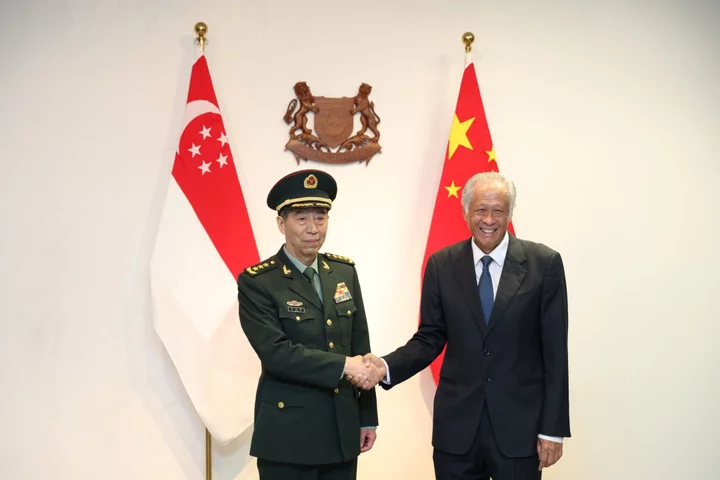
Singapore, China Agree to Set Up High-Level Defense Hotline
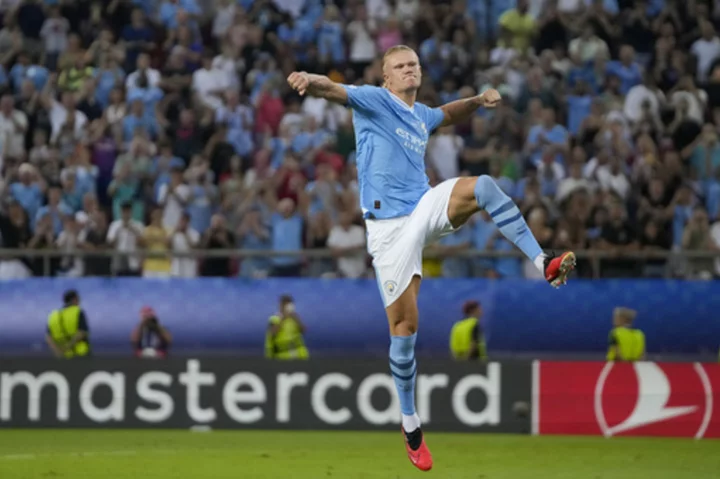
MATCHDAY: Early test for Newcastle at Man City. Mbappe available for PSG