
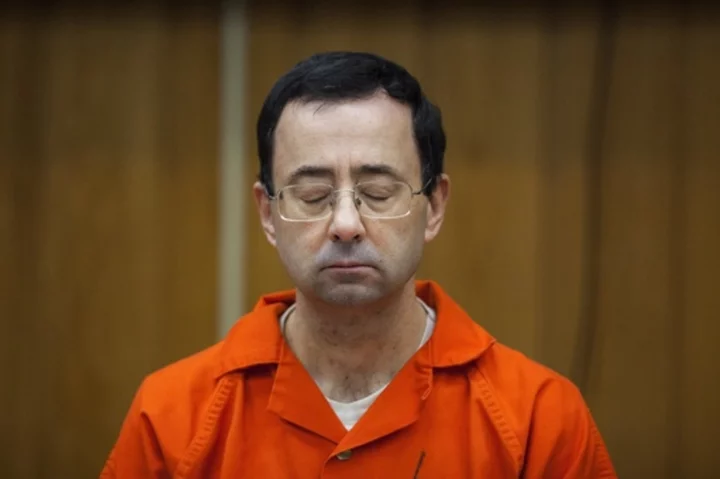
Larry Nassar was stabbed in prison cell, attack not seen by surveillance cameras, AP source says
Larry Nassar was stabbed in his cell at a federal penitentiary in Florida, out of view of surveillance cameras pointed at common areas and corridors
2023-07-12 06:47
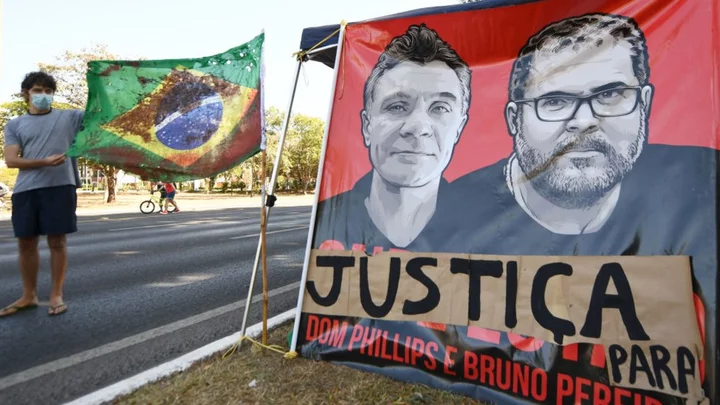
Dom Phillips and Bruno Pereira: Brazilian former official indicted over murders
The former head of Brazil's Indigenous protection agency is accused of indirectly playing a part in journalist's death.
2023-05-20 12:52
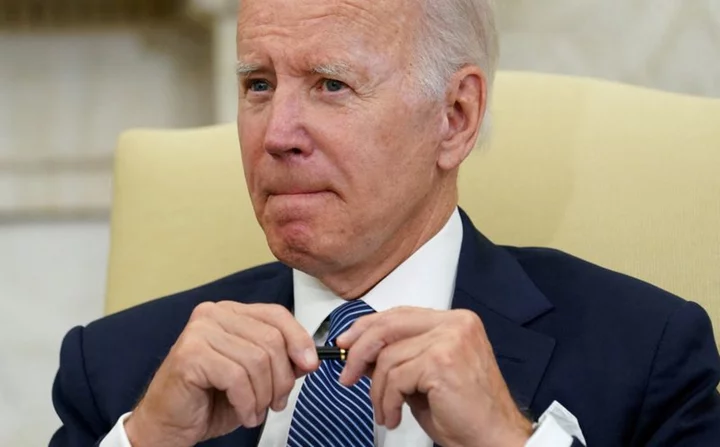
U.S. Supreme Court allows Biden's shift on immigration enforcement
By Andrew Chung The U.S. Supreme Court on Friday gave President Joe Biden's administration the green light to
2023-06-23 22:50
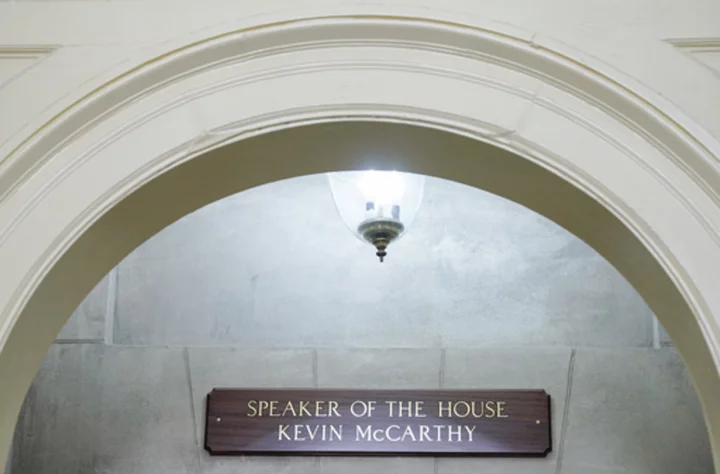
There's a long list of candidates for House speaker as Republicans try voting again on a new leader
House Republicans will meet privately to try nominating a new House speaker
2023-10-24 12:57
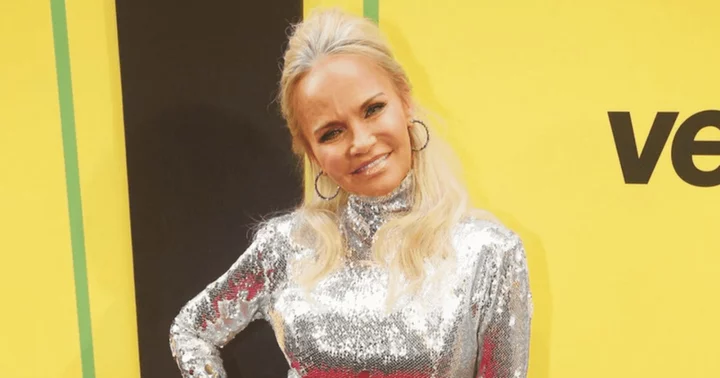
Kristin Chenoweth delights Audriana and Jenny with splendid surprise renovation on HGTV's 'Celebrity IOU' Season 6
'Celebrity IOU' Season 6 Episode 2 synopsis states, 'Kristin Chenoweth enlists Jonathan and Drew to gift her cherished property managers'
2023-05-23 07:45

'Quordle' today: Here are the answers and hints for July 26
If Quordle is a little too challenging today, you've come to the right place for
2023-07-26 07:47

How old was Alyson Stoner in 'Suite Life'? Disney alum recalls being 'uncomfortable' filming onscreen kiss for sitcom
Alyson Stoner and Dylan Sprouse shared an on-screen kiss on 'The Suite Life of Zack & Cody'
2023-08-25 21:56
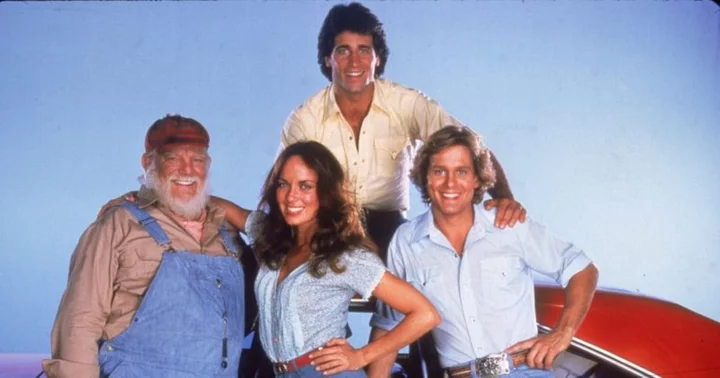
On this day in history November 11, 1978: ‘The Dukes of Hazzard’ makes history with iconic car jump
'The Dukes of Hazzard' crew filmed the iconic General Lee jump that takes place in the opening credits of the show
2023-11-11 15:19

Fresh off 2nd back surgery in 13 months, Mark Stone captains Vegas to Stanley Cup
Mark Stone was presented the Stanley Cup by Commissioner Gary Bettman as captain of the Vegas Golden Knights
2023-06-14 21:25
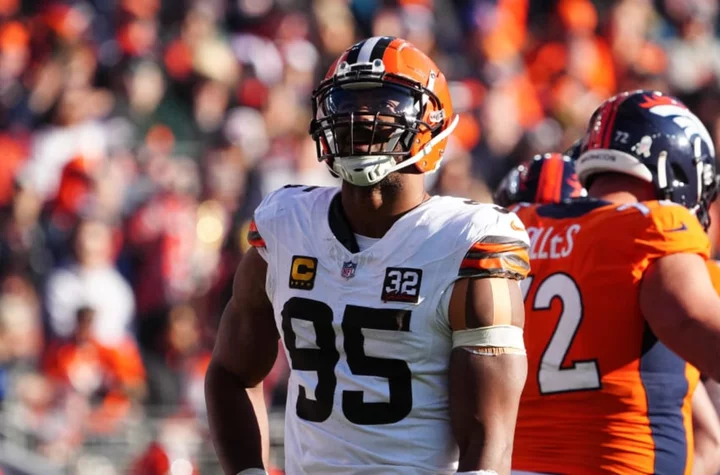
Cleveland Browns' injuries continue to pile up with concerning Myles Garrett update
Cleveland Browns defensive lineman Myles Garrett said he felt a pop in his left shoulder during the team's Week 12 loss to the Denver Broncos.
2023-11-27 10:24
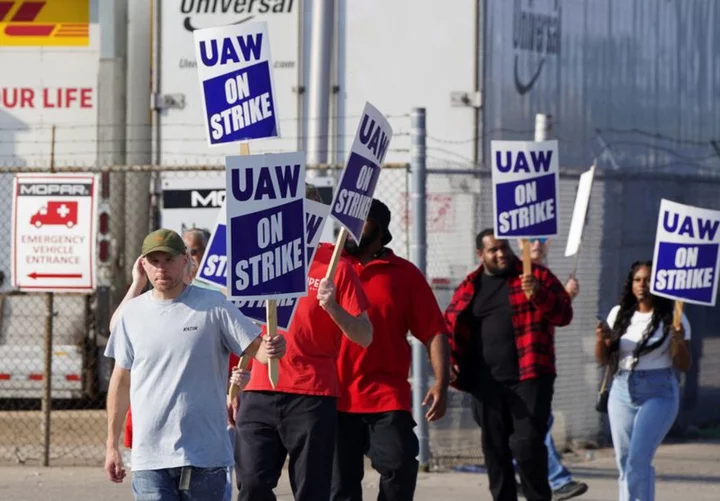
Auto suppliers urge Biden to provide financial assistance to address strike
By David Shepardson WASHINGTON (Reuters) -U.S. auto suppliers on Tuesday urged President Joe Biden to provide federal assistance to help
2023-09-27 00:16
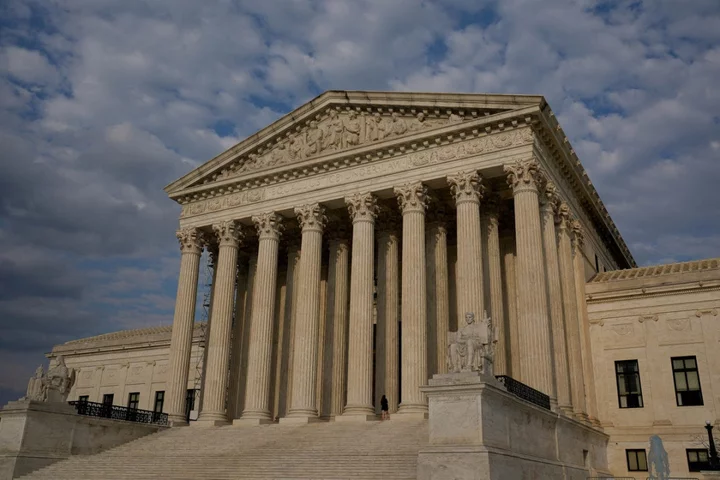
Supreme Court rejects fringe theory that could give GOP state lawmakers unchecked election authority
The US Supreme Court has shot down a fringe legal theory supported by Republican officials and Donald Trump’s allies that was invoked to toss out election results and radically reshape the nation’s elections. A 6-3 decision in Moore v Harper on 27 June determines that Republican-drawn congressional districts in North Carolina amounted to a partisan gerrymander that violated the state’s constitution, but the majority dismissed the so-called “independent state legislature” theory that fuelled the state’s arguments. Chief Justice John Roberts wrote the opinion, with support from Justices Sonia Sotomayor, Elena Kagan, Brett Kavanaugh and Amy Coney Barrett. Justices Clarence Thomas, Neil Gorsuch and Samuel Alito dissented. In oral arguments in the case last year, justices were warned that the high court’s endorsement of fringe legal theory could “sow chaos” in American democracy. The decision follows a lawsuit from a group of North Carolina voters and advocacy groups challenging the state’s Republican-drawn map of its congressional districts, which a state court rejected. Republican officials appealed to the Supreme Court arguing that the state legislature is granted exclusive power to regulate federal elections. A ruling from the justices that would uphold the GOP-drawn map would be seen as vindication for the fringe legal theory supported by many Republican officials and conspiracy theorists in their efforts to upend election outcomes and transform how the nation’s elections are run. The dubious theory – which animated Mr Trump’s spurious attempts to overturn election results in states he lost in the 2020 presidential election – could eliminate state constitutional bans against gerrymandering and other voting protections, potentially handing electoral control to Republican-dominated state legislatures that are primed to “rig” the next elections. After the 2020 presidential election, Mr Trump and his allies pressed state courts to overturn “unlawful election results” in several states he lost, based on bogus claims of fraud, and to let state lawmakers determine the outcome. All of those claims and court challenges were rejected. That fringe reading of the US Constitution went on to fuel GOP efforts to subvert election laws and change the rules of election administration across the US. In oral arguments in the case last year, US Solicitor General Elizabeth Prelogar warned that the court’s endorsement of the theory would “wreak havoc” on the electoral process and invalidate state constitutions across the country. “I’m not sure I’ve ever come across a theory in this court that would invalidate more state constitutional clauses as being federally unconstitutional,” added Neal Katyal, a former acting solicitor general under Barack Obama’s administration who argued the case on behalf of voting rights groups and Democratic voters in North Carolina. “The blast radius from their [independent state legislature] theory would sow elections chaos, forcing a confusing two-track system with one set of rules for federal elections and another for state ones,” he told justices. One reading of the theory argues that elected members of a state legislature have absolute authority to determine how federal elections – as in, elections for members of Congress and the president – are performed. State constitutional protections for the right to vote and efforts to combat partisan and racial gerrymandering could be overruled. A “nightmare” scenario could mean that a Republican-controlled state legislature that rejects the outcome of an election or objects to how it was administered – including the use of mail-in ballots or voting machines that have been subject to rampant, baseless conspiracy theories – could invoke the theory as pretext to refuse the results. Retired federal judge J Michael Luttig – who advised then-Vice President Mike Pence on 6 January, 2021 while under pressure from then-President Trump to reject the election’s outcome – has warned that the theory is a part of the “Republican blueprint to steal the 2024 election.” Dozens of briefs to the Supreme Court urged justices to reject the theory, from constitutional law experts, election officials and voting rights advocates to judges and prominent Republicans – including lawyer Ben Ginsberg, who worked on the landmark Bush v Gore case in 2000 that opened the door for the theory to take shape. Chief justices from state courts across the US wrote that the Constitution “does not oust state courts from their traditional role in reviewing election laws under state constitutions.” Without such barriers, courts will be “flooded with requests to second-guess state court decisions interpreting and applying state elections laws during every election cycle, infringing on state sovereignty and repeatedly involving the federal judiciary in election disputes,” they wrote in a filing to the court. A filing on behalf of the League of Women Voters said the theory could “throw election law and administration into disarray”. More than a dozen secretaries of state also warned that the “mistaken legal theory alien to our country’s history and this court’s precedent would have far-reaching and unpredictable consequences on our country’s elections.” The US Constitution’s election clause reads that the times, place and manner of federal elections “shall be prescribed in each State by the Legislature thereof; but the Congress may at any time by Law make or alter such Regulations.” The long-standing interpretation of that foundational clause is that election rules established by state legislatures must – like any other law – conform with state constitutions, which are under a court’s jurisdiction for review as to whether they are constitutional or not. “So if a state constitution subjects legislation to being blocked by a governor’s veto or citizen referendum, election laws can be blocked via the same means,” the Brennan Center explains. “And state courts must ensure that laws for federal elections, like all laws, comply with their state constitutions.” The Honest Elections Project, a Federalist Society-supported effort behind litigation involving state-level voting rules across the US, also supported the North Carolina case. The group invoked the fringe theory in a supporting brief filed with the Supreme Court, claiming that state legislatures are “vested with plenary authority that cannot be divested by state constitution to determine the times, places, and manner of presidential and congressional elections.” Moore v Harper “provides a timely opportunity to put these questions to rest,” according to the filing. Lawmakers in at least 38 states introduced nearly 200 bills that voting rights advocates and nonpartisan democratic watchdogs warned can be used to “subvert” election outcomes, building on a movement in the wake of 2020 elections to do in state legislatures what Mr Trump and his allies failed to do in court. The recently released analysis from the States United Democracy Center, Protect Democracy and Law Forward found that Republican state lawmakers advanced 185 bills that would make it easier for elected officials to overturn the will of their voters and make it harder for election workers to do their jobs. That total is on pace with similar efforts from previous legislative sessions. More than a dozen such bills introduced this year have been made law. Read More Supreme Court hears how the ‘blast radius’ of a radical legal theory could sow ‘election chaos’ How a fringe legal theory at the Supreme Court could blowtorch American elections Supreme Court rules Alabama discriminated against Black voters in major victory for voting rights Supreme Court rules against Navajo Nation’s access to drought-stricken Colorado River, despite US treaty Deb Haaland and Tribal leaders welcome Supreme Court decision upholding Indian Child Welfare Act
2023-06-27 22:52
You Might Like...
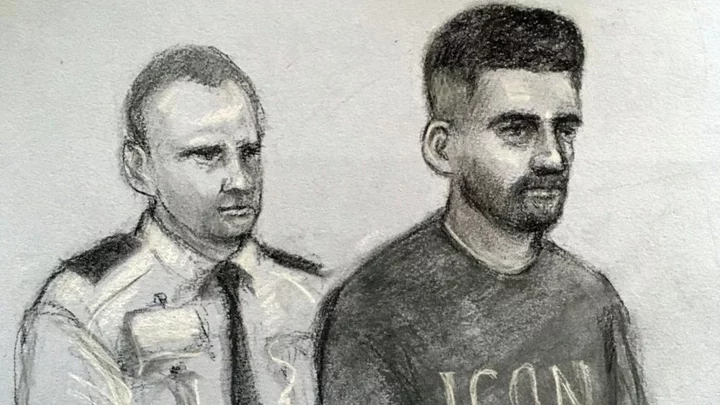
People-smuggling ringleader jailed for bringing thousands into UK in boats
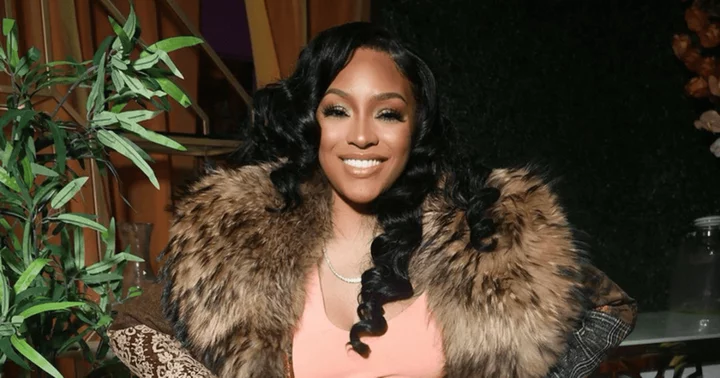
Why did Drew Sidora storm off from ‘RHOA’ Season 15 Reunion? Bravo star breaks down in tears in explosive trailer
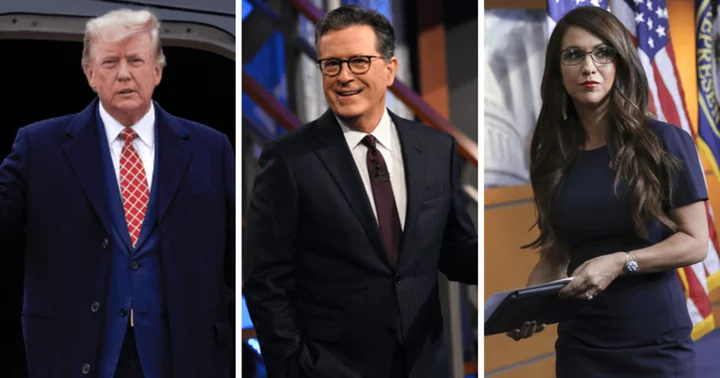
Stephen Colbert's monologue with gags about Donald Trump and Lauren Boebert is a hit among 'Late Show' fans
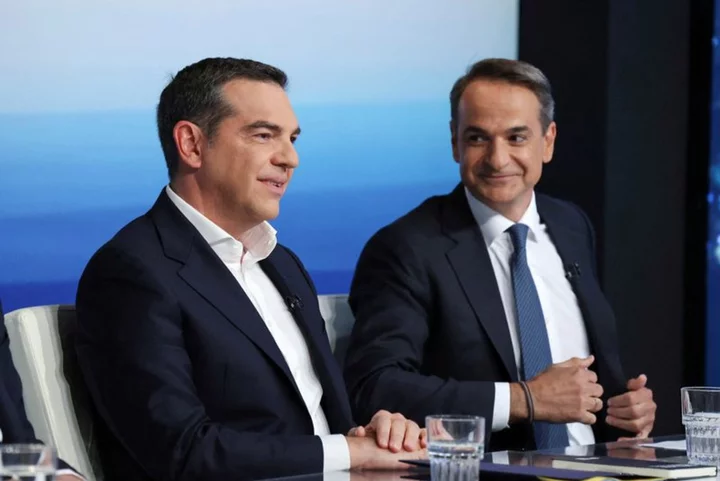
Greeks head to polls, no outright winner seen
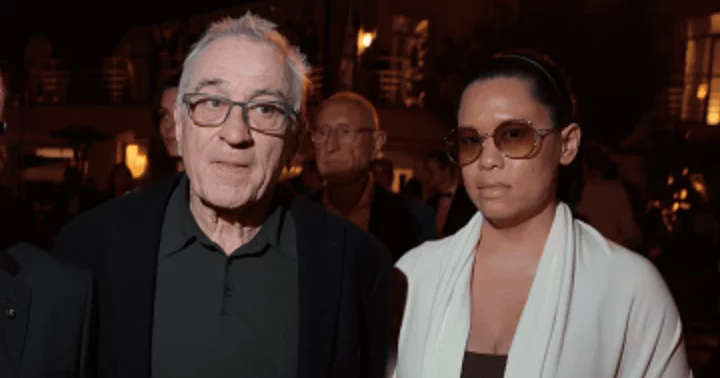
Tiffany Chen, 45, rules the home as she has Robert De Niro, 79, 'eating out of the palm of her hand,' reveal sources
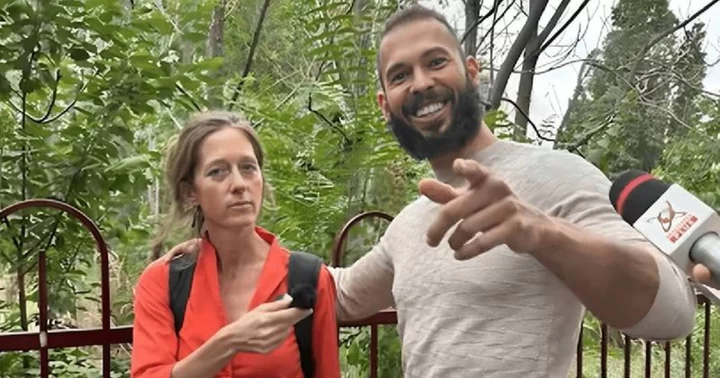
Andrew Tate's 'hero of her heart' tweet baffles fans as they post pictures of Top G with Lucy Williamson
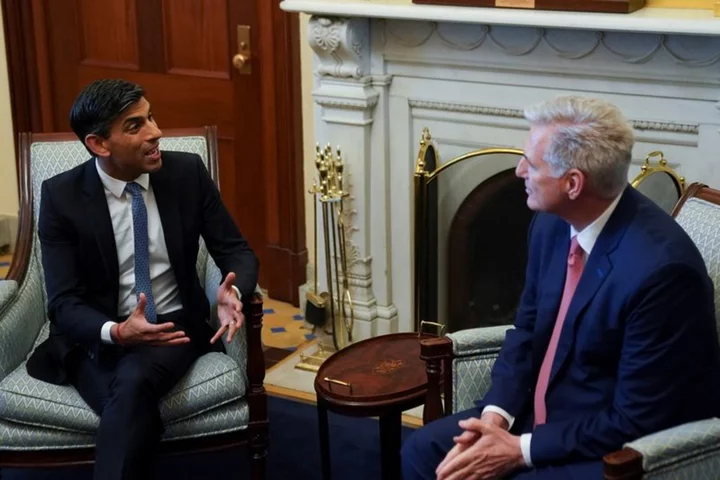
UK's Sunak seeks stronger economic ties with U.S. on Washington trip

Tom Holland earned $4M for 'The Crowded Room', 2X more than the combined salary of his 3 female co-stars