
Buoys, razor wire, and a Trump-y wall: How Greg Abbott turned the Rio Grande into an immigration ‘war zone’
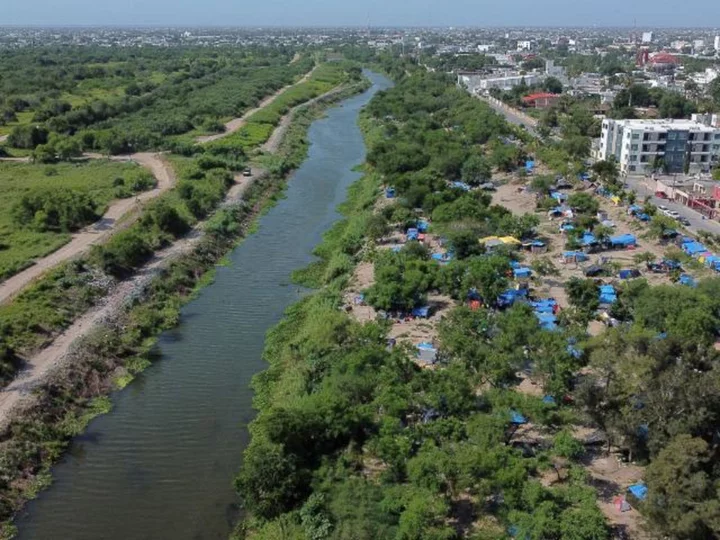
He may be suing the governor of Texas, but Jessie Fuentes isn’t really a political guy. His disagreement with Greg Abbott is personal. Continental, in a sense. Spiritual even. On 7 July, Mr Fuentes, who owns a small kayaking business, sued the state for its decision to install a 1,000-foot buoy wall in the town of Eagle Pass, within a stretch of the Rio Grande river. In Texas, the river forms the legal border between the US and Mexico. More than just a legal argument that a state politician doesn’t have jurisdiction over an international borderline, Mr Fuentes, who grew up along the Rio Grande, feels Mr Abbott has crossed a moral line. The governor, he says, is violating a river that nourishes ecosystems, people, and a vibrant transborder culture that’s existed far longer and far more freely than the rolls of razor wire multiplying across the banks suggest. “I’m not a politician. I just say listen, I love that river. Nobody speaks up for it. I’m speaking up for the river. Man, I have the right to try to prosper from my love of the river, that allows me the opportunity to get out there, to bring people to the river,” he told The Independent. “They don’t live here. I do,” he added of Texas’s state leaders. “You’ve taken a beautiful waterway and you’ve converted it into a war zone.” Mr Fuentes is part of a group of local residents, human rights activists, and international officials who are pushing back on the floating barrier project. They face challenging waters ahead, though. Governor Abbott is a shrewd operator. He has combined media savvy and audacious use of government funds and powers to secure billions of dollars and heaps of political capital for his notion of a military-style crackdown at the border. He has charged ahead with little resistance, even though governors and presidents have spent decades taking this iron-fisted approach with little empirical success to show for it. In mid-July, state contractors were nearly complete installing the floating border barrier, a $1m, 1,000-foot pearl string of giant orange buoys with strong netting in between, anchored to the river floor. Discussing the plan in June, Mr Abbott described the floating wall as a key part of his larger buildup at the border, which has featured mass deployment of as many as 10,000 state troopers and national guardsmen at a time, as well as razor wire and sections of a new border wall on private lands. "When we’re dealing with 100 or 1,000 people, one of the goals is to slow down and deter as many of them as possible," Mr Abbott said on 8 June. "Some may eventually get to the border where they are going to face that multilayered razor wire and a full force of National Guard and DPS [Department of Public Safety] officers." An estimated 250 people died crossing the Rio Grande last year, but Texas officials have nonetheless claimed that installing what amounts to a giant net in the river will “prevent the loss of life due to drownings.” The barrier technology, like much of Mr Abbott’s border agenda, is a retrofitted version of what the Trump administration was pursuing. In 2020, the Border Patrol advertised on Twitter, then quickly deleted, a post showing a demo of a floating barrier system from the same company that built Mr Abbott’s wall, Cochrane USA, only the Trump version had large black spikes that wouldn’t look out of place in a dungeon. The Texas buoy plan dropped the spikes but kept the same controversy that Mr Trump’s attempts to seal off the border attracted. Last week, Mexico’s diplomat said the barrier plan may violate international treaties over the Rio Grande-based border, and said she will send an inspection team to investigate the buoy wall. Migrant advocates say the buoys, like generations of border installations before them, won’t actually slow down immigration, but rather will push migrants towards ever more remote places to cross the border, increasing the likelihood they will face a perilous and potentially lethal crossing. This strategy, known as “prevention through deterrence” has more or less been the explicit policy of the US government since the Clinton administration in the 1990s, a policy choice many on the ground say is causing unnecessary deaths. “It’s been proven time after time that these so-called prevention through deterrence strategies don’t work,” Fernando García of the Border Network for Human Rights told The Independent. “They have not stopped immigration flows, but what they have done is they have put immigrants at risk.” “It’s very likely that with [the floating buoy wall] they are looking for more remote and isolated places to come across so that whenever they are in danger by heat exhaustion, by drowning, they will not have anybody to help them,” he added, saying he worries it could be a record year for migrant deaths in the Rio Grande. “All of this is death by policy.” According to leaks from the Texas Department of Public Safety, which oversees the state’s border scheme, this policy includes intentionally putting migrants into harm’s way. In a series of emails shared with news outlets including The Independent, a border medic described questioning orders from superiors to push exhausted migrants back into the river and to refrain from giving them water if captured. “We were given orders to push the people back into the water to go to Mexico. We decided that this was not the correct thing to do. With the very real potential of exhausted people drowning,” the trooper wrote. The DPS source also claimed in the span of one week in late June, a teen mother was trapped in razor wire at the border while having a miscarriage, a 15-year-old broke his leg as he tried to find a way around the deterrence buoys, and a man lacerated his leg while trying to rescue his child from razor wire placed on a buoy. Texas officials have defended the use of the razor wire while denying reports troopers were told to push people into the river. “The Texas National Guard mission is to work alongside our Texas law enforcement partners to prevent, deter and interdict transnational criminal activity between ports of entry,” the Texas Military Department told The Independent in response to news about the emails. “There is no order or directive instructing Service Members to push illegal immigrants back into the river or deny them drinking water.” “Texas is deploying every tool and strategy to deter and repel illegal crossings between ports of entry as President Biden’s dangerous open border policies entice migrants from over 150 countries to risk their lives entering the country illegally,” a spokesperson for the governor told The Independent earlier this week. The Texas Department of Public Safety did not respond to requests for comment on this story from The Independent. Beyond just putting migrants at risk, the border barriers are cutting into the deep cross-border cultural ties in the region, residents said. Mr Fuentes, the business owner suing the state, said the locked-down border is only a recent historical development. His grandfather used to be able to casually ride into Mexico on a donkey to get supplies. He says that Texas politicians fomenting fear about immigration miss the fact that many who live along the US-Mexico border don’t feel the same way. The walls aren’t stopping some hypothetical invasion of immigrants. They’re dividing a community that’s older and bigger than boundaries on a map. “That’s the beautiful thing about America,” he said. “We’ve got our culture on the border. The way it’s being misinterpreted right now, them saying we’re a war zone, things are out of control. We’re not that. We’re a community on the river. We get along with our neighbours.” “I don’t think we’re under siege from an inflow of immigrants,” he added. “We’re under siege by law enforcement.” When Mr Fuentes encounters migrants on the river, he offers them a blessing and any spare water if it he has it. You wouldn’t know about these sorts of ties by watching the governor on TV. The Fox News regular frequently describes the situation in places like Eagle Pass as an “invasion” of drug-pushing cartel members, though drugs like fentanyl are overwhelmingly brought across the border by US citizens at official points of entry. It’s not an accidental choice of words calling the situation an “invasion.” In November, the governor invoked a clause in the US Constitution allowing states to take military actions if they are under “invasion” to defend his policies, a theory legal scholars and critics say is both nonapplicable to immigration and an echo of the white-supremacist rhetoric that fueled incidents like the 2019 El Paso shooting, where 23 mostly Latino people were killed. It may not be legally bulletproof, but it’s another savvy move from Mr Abbott, who has proved adept at using crises in recent years to further his border agenda. The governor declared a state disaster at the US-Mexico border in 2021, freeing him up to use additional emergency powers, and used creative accounting to funnel an estimated $1bn in federal Covid relief funds to Operation Lone Star, the umbrella plan Mr Abbott has used to send troopers to the border and bus thousands of migrants out of Texas to liberal states. Despite massive investments from the state and the federal government over decades from leaders of both parties, immigration levels at the US-Mexico border in late 2022 and 2023 are about the same as they were during their previous most recent peak around the year 2000. A spokesperson for the governor’s office declined to answer specific questions from The Independent about the floating border barrier, and criticisms that it’s illegal and dangerous for migrants. The governor’s office said Operation Lone Star had led to the apprehension of more than 393,000 unauthorised immigrants and the repelling of more than 49,000 illegal immigrants, as well as over 31,000 arrests, “all of which would have otherwise made their way into communities across Texas and our country thanks to President Biden’s open border policies,” according to spokesperson Andrew Mahaleris. The Department of Justice is investigating Operation Lone Star for alleged civil rights abuses. Immigration is a concern of federal law, but thousands of immigrants have been arrested by state personnel for trespassing on private property, allegedly being held in jail for weeks without facing charges. According to an investigation by the Texas Tribune, ProPublica, and The Marshall Project, state officials were arresting far more trespassers than cartel members, and allegedly inflated data on Operation Lone Star by citing arrests on crimes like cockfighting, sexual assault, and stalking in their success statistics, even though these offences had no clear link to immigration enforcement. “We’ve spent $12bn over the last decade, and we have nothing to show for it,” Jaime Puente, director of economic opportunity programmes at the advocacy group Every Texan, which monitors the state budget, told The Independent. “People are not being deterred from coming to the US to seek a better life and opportunities…no matter how deadly we make that journey.” Ironically, according to Mr Puente, the governor’s border crackdown has finally driven resources towards borderland communities that have historically suffered from under-investment. However, these resources are coming in the form of armed police officers and contracts to build military infrastructure, rather than investments in things like education or healthcare. “Texas has historically undervalued and underserved border communities over the last century or more, and now, because it’s politically viable, because it makes for a great 7pm Fox News clip, these communities are being inundated with billions and billions of dollars,” Mr Puente said. He points to the example of Uvalde, Texas, the site of a horrific 2022 school shooting, as a place that needs a different kind of investment from the state. “That community doesn’t have a hospital,” he said. “That community doesn’t have some basic services, but they have 350 DPS troopers and Border Patrol agents just roaming around. That didn’t help 19 kids and 2 teachers a year ago.” In fact, according to some local residents, the influx of state personnel to border communities has made the residents there feel less safe. Operation Lone Star has driven a spike in the racial profiling of Latinx drivers in South Texas, according to the ACLU. According to an analysis from NBC News of Latinx-majority border areas, traffic citations have shot up, in one county by a factor of six, since Operation Lone Star came online in 2021. Despite the governor’s ever-expanding footprint on the border, Jessie Fuentes still believes in the magic of the Rio Grande. He ends our interview by inviting me to come onto the river with him sometime, though he notes it’s getting harder and harder for him to access the water because of all the fences, walls, and razor wire deployed around Eagle Pass. He has a bitter chuckle at the difference between the US and Mexico sides of the river. On the Mexico side, it’s parkland, with families out for walks or fishing on the river. On the US side, it’s a practically medieval tableau of walls and spikes, overseen by a group of state officials, one of whose title is literally Border Czar. “I invite anyone to come if they’ll let me,” he said. That’s the thing about the US border: what happens there often has deep roots. Border walls, once built, are rarely taken down, and connections to the land, built over generations, don’t disappear from one administration to the next. Governor Abbott has vowed to fight Mr Fuentes all the way to the US Supreme Court. In the coming months, we will see whose vision of this complicated, beautiful region prevails. Read More Texas trooper's accounts of bloodied and fainting migrants on US-Mexico border unleashes criticism Border Patrol fails to assess medical needs for children with preexisting conditions, report says Mexico files border boundaries complaint over Texas' floating barrier plan on Rio Grande Texas trooper's accounts of bloodied and fainting migrants on US-Mexico border unleashes criticism Texas troopers allegedly told to push migrant children into the Rio Grande Trump wanted to put cattle on ladders over border wall, ex aide reveals
2023-07-21 07:20
An arrest warrant has been issued for a suspect in the killing of Philadelphia journalist Josh Kruger
Authorities in Pennsylvania say they have issued an arrest warrant for the man suspected of killing journalist and advocate Josh Kruger earlier this week.
2023-10-07 03:19
Takeaways from AP's reporting on who gets hurt by RFK Jr.'s anti-vaccine work
Independent presidential candidate Robert F
2023-10-19 10:20
Russia's Defense Ministry says Wagner mercenaries are surrendering their weapons to the military
Russia’s Defense Ministry says mercenaries of the Wagner Group are completing the handover of their weapons to the military, a move that follows the private army’s brief rebellion last month that challenged the Kremlin’s authority
2023-07-13 01:59
Tesla cuts prices in China for some Model Y versions
BEIJING Tesla Inc has cut prices in China for its Model Y long-range and performance versions starting on
2023-08-14 08:22
Disney attorneys want to question former administrator in lawsuit with DeSantis appointees
Disney attorneys want to question a previous administrator of the Walt Disney World governing district as part of its defense against a lawsuit brought by a board made up of appointees of Florida Gov. Ron DeSantis
2023-10-18 00:23
US takes custody of Russian agent from Estonia
The United States took custody Friday of an alleged Russian intelligence agent extradited from Estonia, as the Biden administration pursues possible prisoner exchanges...
2023-07-15 01:59
Visa's pricing of token technology under DOJ probe - Bloomberg News
(Reuters) -Visa is under fresh investigation by the U.S. Department of Justice over allegations it is charging retailers more for
2023-08-16 23:23
Kylian Mbappe tells PSG he won't sign new contract
Kylian Mbappe has told Paris Saint-Germain he will not sign a new contract. The Real Madrid transfer target's deal in France is due to expire in 2024.
2023-06-13 04:51
TJ Friedl's 2-run triple and a solid Reds bullpen combine for 4-3 win over the Tigers
TJ Friedl hit a two-run triple in the second inning and seven Cincinnati relievers combined on five shutout innings as the Reds beat the Detroit Tigers 4-3
2023-09-14 10:21
Internet Firm Sea Misses Sales Estimates on Slowing E-Commerce Demand
Sea Ltd. fell its most ever after reporting disappointing revenue and outlining plans to increase investment in e-commerce,
2023-08-16 09:24
Why do we get so tired in hot weather?
Does very hot weather leave you feeling more exhausted and lethargic than usual? There might be an initial surge of joy when the sun finally comes out – but once temperatures really creep up, we can end up feeling physically drained, wondering whether we should follow the Mediterranean’s lead and start introducing daily siestas. So, why does hot weather make us so tired? We asked a doctor to explain… Our bodies have to work harder in the heat “When the weather is hot, our bodies have to work harder to cool themselves down,” says Dr Zulqarnain Shah, medical director at SSP Health and GP at SSP Health practice Colne Road Surgery. “The body’s natural cooling mechanism involves increasing blood circulation near the skin’s surface and promoting sweat production. These physiological changes can lead to fatigue and a feeling of lethargy. It is essential to recognise that this fatigue is a normal response to heat and is typically temporary.” Dehydration Low energy and tiredness are also common when you’re lacking hydration. “Hot weather increases the rate of fluid loss through sweating, leading to dehydration. Dehydration can contribute to fatigue and make you feel even more lethargic,” adds Dr Shah. “To avoid this, it’s important to stay adequately hydrated by drinking plenty of fluids, especially water. Aim to drink even when you’re not feeling thirsty, as thirst is not always an accurate indicator of dehydration.” Heat exhaustion “Prolonged exposure to heat can result in heat exhaustion, a condition characterised by symptoms such as heavy sweating, weakness, dizziness, nausea, headache, and muscle cramps. If you experience these warning signs, it’s crucial to move to a cooler environment, drink fluids, and rest. If symptoms persist or worsen, seek medical attention promptly,” says Shah. It’s important to pay attention to warning signs, as if heat stroke develops, this is a medical emergency. Shah stresses: “Heat stroke is a severe and potentially life-threatening condition that requires immediate medical intervention. It occurs when the body’s temperature regulation fails, and the core temperature rises dangerously high. “Symptoms may include a high body temperature (above 39.4C), altered mental state, confusion, rapid breathing, rapid heartbeat, and even loss of consciousness. If you suspect heat stroke, call emergency services immediately.” Sleep deprivation The extra tiredness could also be linked to poor sleep, as this can really suffer in the heat. “Hot temperatures can disrupt sleep and lead to poor sleep quality. The body needs to cool down to initiate sleep, and the excessive heat can make it difficult to reach the optimal sleep temperature,” explains Shah. “To improve sleep in hot weather, consider using fans or air conditioning, wearing lightweight and breathable sleepwear, keeping your bedroom well-ventilated, and using lighter bedding.” Pre-existing conditions could get worse Many people living with chronic or long-term health conditions deal with fatigue, which may flare up during heatwaves. “Hot weather can exacerbate symptoms and increase fatigue in individuals with certain chronic health conditions. Conditions such as heart disease, kidney problems, and respiratory issues can be particularly sensitive to heat,” notes Shah. “It’s vital to be aware of your specific health condition and consult with your healthcare provider for personalised advice on managing your symptoms during hot weather. They may recommend staying in cooler environments, adjusting medications, or monitoring your fluid intake more closely.” Read More Airbnb customer furious after being charged extra over dog hair People seek hay fever advice once every three seconds, says NHS England Why is my hay fever so bad at the moment? How to tell if you have Covid or heatstroke Why do heatwaves in the UK feel hotter than abroad?
2023-06-17 15:29
You Might Like...
Elon Musk roasted by actor for 'defects' in Amber Heard's cosplay costume
Netanyahu voices support for Israel's military after his allies and son lambaste security officials
Gilgo Beach murders – live: Police probe possible ties between Rex Heuermann and unsolved NYC killings
Travis Scott releases new album 'Utopia,' but not how he originally planned
Will Lindsay Shiver escape prison sentence? Georgian mother-of-two arrested for allegedly plotting ex-husband Robert Shiver's murder
Do snitches net fishes? Scientists turn invasive carp into traitors to slow their Great Lakes push
'Yellowstone' is officially the most-watched TV show of 2022-23, beating Monday Night Football
PSG transfer rumours: Neymar's thoughts on Saudi move; Hakimi eyes Inter return